Long Cultivation History of Flaxseed
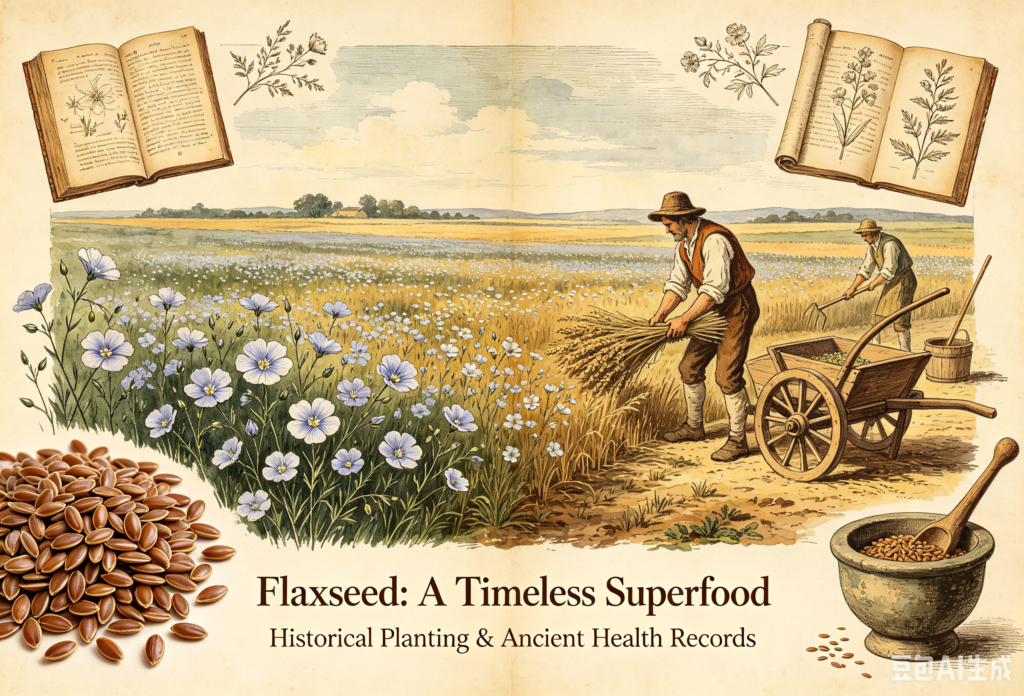
Flax boasts thousands of years of planting history, and the wide application of flaxseed and flaxseed oil has greatly promoted the progress of human civilization. As early as 5,000 years ago, flax was planted around the Persian Gulf, Black Sea and Caspian Sea, and people began to weave flax into fabrics.
In the Middle Ages, flaxseed planting expanded widely across Asia Minor. Ancient Greece even issued special laws to encourage residents to take flaxseed for daily health maintenance. For thousands of years, flax has been valued by different civilizations, laying a solid foundation for the later development of commercial flaxseed oil.
Physical Form & Internal Structure of Flaxseed
Appearance Characteristics of Whole Flaxseed
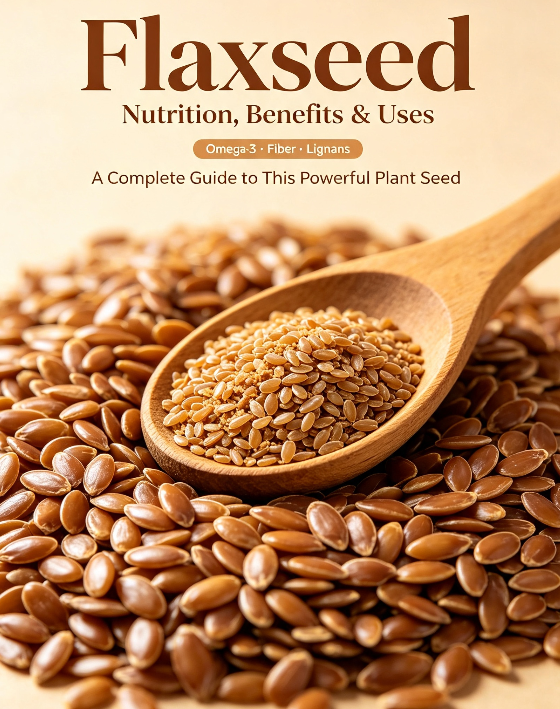
Flaxseeds are flat, soft and oval particles, with one end round and blunt and the other thin, pointed and slightly asymmetric. The size ranges from 4–6 mm long, 2–3 mm wide and 1.5 mm thick. Unlike sunflower seeds and pumpkin seeds, flaxseed husks and kernels are tightly bonded, making mechanical shell separation extremely difficult.
Internal Tissue Composition of Flaxseed
A complete flaxseed contains four layers: cuticle, outer shell, inner shell and cotyledons.
- The cuticle is 0.1–0.2 mm thick, mainly composed of starch and complex carbohydrates. After ripening, these substances harden and lose starch activity;
- Cotyledons account for more than half of the total seed weight, storing most oil and protein nutrients;
- Flax oil is stored inside cell tissues, while protein concentrates in the endosperm; other components constitute cell structural substances.
If you want to know more about the extraction process based on flaxseed structure, you can check our page about the nutritional value of flaxseed.
Rich Nutritional Value & Modern Application of Flaxseed
Flaxseed is recognized as one of the most nutrient-dense plant seeds in the world. For a long time, limited scientific research and immature processing technology restricted the deep utilization of flaxseed resources.
In recent decades, global living standards have improved sharply, and consumers pay more attention to natural healthy food. Researchers have successively discovered a variety of active biological ingredients inside flaxseed, driving the rapid popularization of flaxseed and flaxseed oil in food, pharmaceutical and industrial fields.
As a high-quality raw material for healthy edible oil, flaxseed oil extracted from natural flaxseed has become a mainstream functional food ingredient. All relevant raw material knowledge and product introductions are available at https://sqymzy.com/, where you can browse full guides about flax series products.
Development Prospect of Flaxseed & Flaxseed Oil
With the continuous breakthrough of flax deep processing technology, the market demand for flaxseed and cold-pressed flaxseed oil keeps rising. More brands choose natural flaxseed as core raw material for health supplements, edible oil and skincare products.
The unique fatty acid composition in flaxseed oil cannot be replaced by ordinary vegetable oils, which makes flax a valuable economic crop with broad development space in the global healthy food industry.
Title: Flaxseed & Flaxseed Oil: History, Structure & Nutritional Value | sqymzy.com Meta Description: Explore the long cultivation history, internal structure and rich nutrition of flaxseed. Learn more about premium flaxseed oil on https://sqymzy.com/, a reliable source of natural flax products.

Alex Wang
He researches nutritional information and creates educational content to help consumers better understand healthy fats, omega-3s, and food choices.