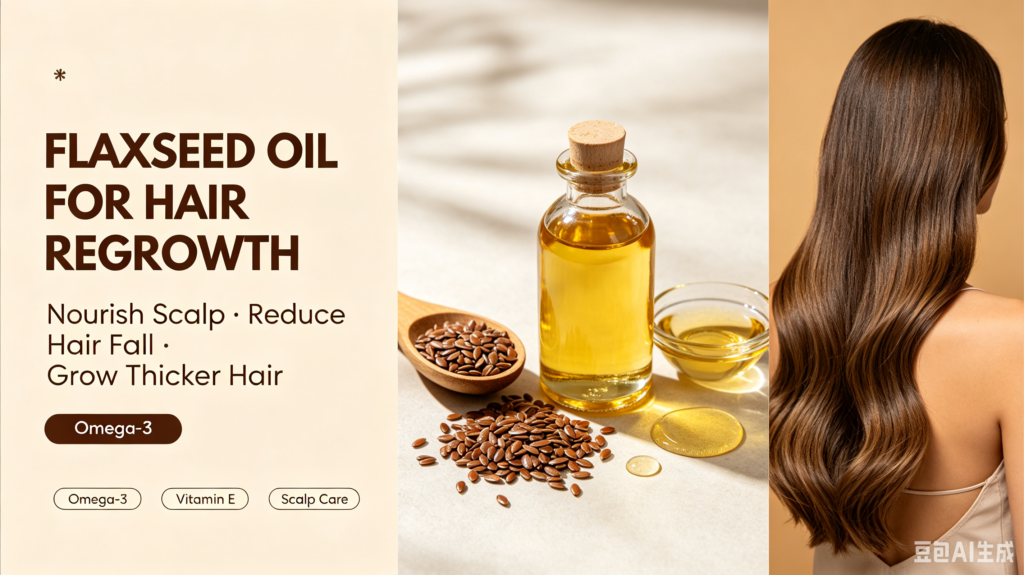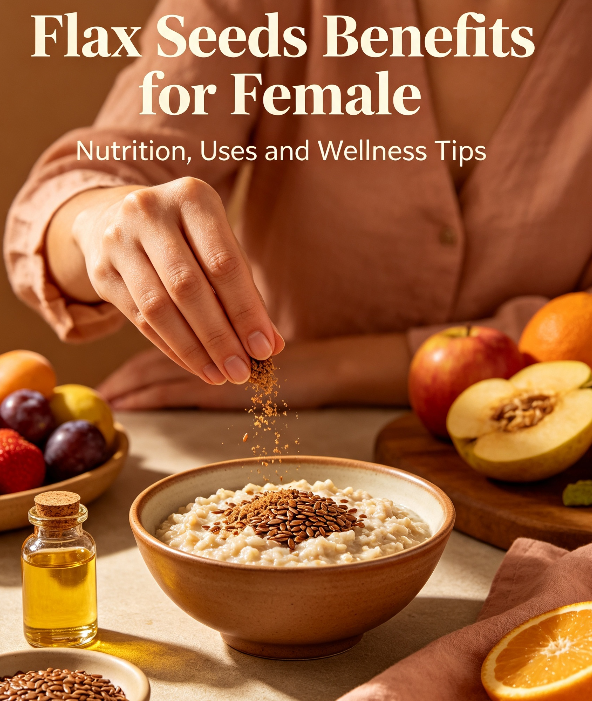
Flaxseed oil for hair growth is a popular natural-hair-care topic, but it needs a realistic answer: flaxseed oil may support healthier hair and scalp condition because it provides alpha-linolenic acid (ALA), a plant-based omega-3 fat, but it is not a proven treatment for pattern baldness, alopecia areata or medical hair loss.
If your goal is longer-looking, healthier hair, flaxseed oil can be useful as part of a gentle routine that reduces dryness, friction and breakage. If your goal is true hair regrowth after noticeable shedding or bald patches, the first step is to identify the cause. The American Academy of Dermatology explains that effective hair-loss treatment begins with finding the cause, because different types of hair loss need different approaches.
Quick answer: does flaxseed oil help hair grow?
Flaxseed oil can help the appearance and condition of hair for some people, especially dry, frizzy or breakage-prone hair. It may make hair feel smoother and easier to manage, which can help you retain length. However, there is not strong human clinical evidence showing that flaxseed oil alone makes new hair grow back.
The more accurate SEO answer is: flaxseed oil may support hair health, scalp comfort and length retention, but it should not be presented as a guaranteed hair regrowth treatment.
Why flaxseed oil is connected with hair health
Flaxseed oil is valued mainly because it is rich in ALA. The NIH Office of Dietary Supplements describes ALA as an essential omega-3 fatty acid found in plant oils such as flaxseed oil. The body cannot make ALA, so it must come from foods or supplements.
That matters for hair because healthy hair depends on overall nutrition, healthy skin, and a scalp environment that is not irritated or overly dry. Omega-3 fats are not a magic hair-growth switch, but adequate dietary fat intake can support normal skin barrier function and general wellness.
Mayo Clinic also notes that flaxseed and flaxseed oil are rich sources of ALA. One important distinction: whole or ground flaxseed contains fiber and lignans, while flaxseed oil does not provide the same fiber content. For people choosing between oil and ground flaxseed, that difference matters.
Benefits of flaxseed oil for hair
1. Helps reduce dryness and frizz
Used topically in a small amount, flaxseed oil can coat the hair shaft and reduce a dry or rough feel. This does not change the biology of the hair follicle, but it may make hair look smoother and less frizzy.
2. May help with length retention
Many people searching for flaxseed oil for hair regrowth are actually dealing with breakage. If hair breaks at the ends, it can feel like it is not growing. A light oil routine may reduce friction and dryness, which can help retain length over time.
3. Supports a nutrition-focused hair routine
Taking flaxseed oil as food or supplement can contribute ALA to the diet. That may be useful for people who do not eat fish or want more plant-based omega-3 sources. It should still be used within a balanced diet rather than as a standalone hair-growth solution.
4. Can support scalp comfort when used carefully
Some people find oils helpful for a dry-feeling scalp. Use caution: too much oil can cause buildup, itching or clogged follicles, especially for people with oily scalp, dandruff, seborrheic dermatitis or sensitive skin.
How to use flaxseed oil for hair safely
Topical use
- Start with a small amount, such as a few drops rubbed between your palms.
- Apply mostly to mid-lengths and ends if your hair is dry or frizzy.
- If applying to the scalp, patch test first and rinse out if itching or redness appears.
- Avoid leaving heavy oil on the scalp every day, especially if you are prone to buildup.
Dietary use
Flaxseed oil is heat-sensitive, so it is better used cold, such as mixed into yogurt, smoothies or salad dressing. Do not use it as a high-heat frying oil. If you take medication, are pregnant, are preparing for surgery, or have a medical condition, ask a healthcare professional before using flaxseed oil as a supplement.
Flaxseed oil vs flaxseed gel for hair
Flaxseed oil and flaxseed gel are not the same. Flaxseed oil is a fat-rich oil used for moisture and shine. Flaxseed gel is made by simmering flaxseeds in water and is often used as a styling gel for curls or waves. If your main goal is hold and curl definition, gel may be more useful. If your main goal is softness and reduced dryness, oil may be more useful.
When flaxseed oil is not enough
Flaxseed oil should not replace medical evaluation for sudden shedding, patchy hair loss, scalp pain, scaling, infection signs or rapidly thinning hair. A dermatologist can check for causes such as androgenetic alopecia, alopecia areata, thyroid issues, iron deficiency, medication effects or scalp disease.
This distinction is important for Google and for readers: the article can discuss benefits of flaxseed oil for hair, but it should not promise to reverse medical hair loss.
Suggested routine
- Use a gentle shampoo and avoid harsh daily stripping.
- Apply a small amount of flaxseed oil to dry ends 1–3 times per week.
- If using on the scalp, patch test and rinse out after a short period at first.
- Use flaxseed oil cold in food if it fits your diet.
- Track breakage, dryness and shedding separately. Less breakage is not the same as new regrowth.
Related flaxseed oil guides
Continue with these related guides on this site:
- Flaxseed oil for hair regrowth — a closer look at claims, limits and realistic expectations.
- How much flaxseed oil per day — daily use and dosage considerations.
- Flaxseed oil benefits for women — nutrition and safety considerations.
- Flaxseed oil benefits for men — men’s health topics and cautions.
- Flaxseed oil safety and side effects — read this before using flaxseed oil daily.
FAQs
Can flaxseed oil regrow hair?
There is not enough strong clinical evidence to say that flaxseed oil regrows hair by itself. It may help improve hair softness, reduce breakage and support a healthier diet, but medical hair loss needs proper diagnosis.
Is flaxseed oil good for thinning hair?
It may be useful as a supportive routine if thinning is related to dryness or breakage. If hair density is decreasing from the roots, speak with a dermatologist rather than relying only on oil.
Can I leave flaxseed oil in my hair overnight?
Some people can, but it is better to start with a short contact time. Overnight oiling may cause buildup or irritation for some scalps. Patch test first and wash out if your scalp feels itchy or uncomfortable.
Sources
- NIH Office of Dietary Supplements: Omega-3 Fatty Acids
- Mayo Clinic: Flaxseed and flaxseed oil
- American Academy of Dermatology: Hair loss diagnosis and treatment
Editorial note: This article is for general educational purposes and is not medical advice. If you have sudden hair loss, scalp symptoms or a diagnosed condition, consult a qualified healthcare professional.

Alex Wang
He researches nutritional information and creates educational content to help consumers better understand healthy fats, omega-3s, and food choices.