Learn the core flax seeds benefits for female health, including hormone support, digestion, skin & hair nutrition, omega-3 advantages, and safe daily eating tips for women.
Flax Seeds Benefits for Female: Why Women Add Flaxseed to Their Diet
Introduction
Flax seeds are one of the most nutrient-dense ancient plant foods, widely favored by women across all
What Are Flax Seeds?
Flax seeds are the edible oil-rich seeds of the Linum usitatissimum plant, a versatile crop cultivated globally for thousands of years for both textile fibers and nutritional seeds. Major commercial flaxseed producers include Canada, the United States, and Northern European countries, with two primary edible varieties and two core consumption forms tailored for daily female dietary use.
Brown flax seeds feature a deep amber outer shell with a rich, earthy nutty flavor and higher lignan and omega-3 concentrations, making them the top choice for nutritional supplementation. Golden flax seeds have a milder, lighter taste with a paler yellow hue, ideal for blending into delicate meals without altering flavor. Both varieties offer similar fiber and protein content, so women can choose based on taste preference while gaining consistent nutritional benefits.
Brown vs Golden Flax Seeds
Whole Flax Seeds vs Ground Flax Seeds
Whole flax seeds have a tough, indigestible outer hull that resists human gut breakdown. Most nutrients remain locked inside whole seeds, meaning the body absorbs minimal omega-3s, fiber, or lignans if consumed unground. Ground flax seeds (flax meal) remove this barrier, unlocking full nutrient bioavailability for maximum nutritional uptake—this is the recommended form for women seeking consistent wellness benefits.
Flax Seeds Nutrition Facts
Flax seeds deliver a unique combination of essential nutrients rarely found in single whole foods, making them a staple in female-focused plant-based diets. The table below outlines core nutrition data for 1 tablespoon (10g) of raw ground flax seeds, sourced from USDA FoodData Central and peer-reviewed nutritional research:
| Nutrient | Amount Per 1 Tbsp Ground Flax Seeds | Key Nutritional Benefit for Women |
|---|---|---|
| Calories | 55 | Low-calorie nutrient boost for weight-conscious diets |
| ALA Omega-3 Fatty Acids | 3.1g | Supports healthy fats intake for skin, hair, and systemic wellness |
| Total Dietary Fiber | 2.8g | Improves gut regularity and supports metabolic health |
| Plant Protein | 1.9g | Supports daily muscle and cellular repair for active women |
| Lignans | 70–100mg | Unique plant polyphenols linked to female nutritional wellness |
| Magnesium & Manganese | 37mg / 0.4mg | Supports energy metabolism and overall bodily function |
Core Nutrient Breakdown for Female Health
ALA Omega-3: As the richest plant-based source of ALA omega-3, flax seeds fill critical nutrient gaps for women on vegan, vegetarian, or low-seafood diets, supporting healthy fat intake that benefits skin, hair, and inflammatory balance.
Dual-Type Fiber: A mix of soluble gel-forming fiber and insoluble bulk fiber supports consistent digestive health, a common wellness priority for women with busy, low-fiber daily diets.
Lignan Antioxidants: Flax seeds contain exponentially more lignans than most fruits and vegetables, plant-based compounds widely studied for female-specific nutritional support.
Minerals & Plant Protein: The balanced protein and mineral profile complements women’s daily nutritional needs, supporting sustained energy and bodily maintenance.
You can learn more comprehensive whole-seed nutrition advantages in our detailed guide on flaxseed benefits.
Top Flax Seeds Benefits for Female
Research suggests flax seeds can be part of a nutrient-rich female diet, offering targeted nutritional benefits that support women’s daily wellness. Individual results may vary based on lifestyle, baseline diet, and gut health. Below are the most evidence-backed flaxseed benefits for women:
1. Supports Balanced Daily Nutrition
Many women struggle to meet daily fiber, healthy fat, and antioxidant intake through regular meals. Flax seeds offer a simple, low-effort way to enhance dietary nutrition, filling common nutrient gaps without excessive calories or processed supplements. Consistent small servings support overall bodily wellness as part of a holistic healthy lifestyle.
2. Delivers Premium Plant-Based Omega-3
Flaxseed omega 3 (ALA) is an essential fatty acid the human body cannot produce independently. For women who avoid fatty fish, flax seeds serve as a primary plant-based omega-3 source, supporting healthy lipid levels and systemic nutritional balance. These healthy fats lay a foundation for skin, hair, and cellular wellness.
3. Promotes Healthy Digestive Function
Modern busy lifestyles often lead to low fiber intake and irregular digestion in women. The dual soluble and insoluble fiber in flax seeds may support regular bowel movements, ease mild digestive sluggishness, and feed beneficial gut bacteria, improving overall gut health over time.
4. Adds Sustainable Healthy Fats to Daily Diets
Unlike saturated fats from processed foods, flax seeds provide clean, unsaturated healthy fats that support metabolic balance. These fats help sustain satiety, reduce midday energy crashes, and complement balanced weight management routines for women.
5. Nourishes Skin and Hair From Within
The combination of ALA omega-3s, antioxidants, and minerals in flax seeds supports skin barrier health and hair follicle nutrition. While external skincare and haircare routines matter, internal nutritional support from flax seeds can enhance long-term skin and hair vitality for many women.
Flax Seeds and Women’s Hormone Health
A top searched secondary keyword is flaxseed and hormones, as many women seek gentle plant-based nutritional support for hormonal wellness. It is critical to emphasize that flax seeds do not cure, treat, or balance hormonal disorders, nor do they guarantee hormonal improvements.
Flax seeds contain high levels of lignans, unique plant polyphenols categorized as mild phytoestrogens. Research indicates lignans interact with estrogen receptors in the body in gentle, neutral ways and rely on healthy gut bacteria to convert into active nutritional compounds. Observational studies suggest regular lignan intake may support consistent hormonal wellness in women across different life stages, including pre-menopause and post-menopause.
However, clinical research is still evolving, and results vary significantly by individual gut microbiome, age, and overall diet. Flax seeds can be part of a hormone-friendly balanced diet, but they are not a replacement for medical care or hormone therapy for clinical hormonal conditions.
flaxseed for digestion is one of the most well-documented female-focused benefits of flax seeds. Over 70% of women report occasional digestive irregularities linked to low fiber intake, stress, and inconsistent meal routines.
Flax Seeds for Digestive Health
The soluble fiber in ground flax seeds forms a gentle gel in the digestive tract, softening stool and soothing mild gut irritation. The insoluble fiber adds bulk to stool, supporting natural intestinal contractions and regular bowel habits. For optimal results, women must consume extra water with flax seeds—insufficient fluid intake can lead to bloating or constipation, counteracting digestive benefits.
Gradual intake is key: starting with small servings allows gut bacteria to adapt, maximizing flaxseed’s gut-supportive nutritional benefits over time.
Flax Seeds for Skin Health
Women frequently seek natural dietary ways to support glowing, resilient skin, and flax seeds offer internal nutritional support for skin wellness. The ALA omega-3 fatty acids in flax seeds help maintain skin barrier integrity, locking in moisture and supporting balanced skin hydration.
Lignan antioxidants neutralize daily environmental oxidative stress from UV rays, pollution, and stress, which may reduce dullness and support consistent skin vitality. It is important to note that flax seeds do not eliminate acne, wrinkles, or skin conditions. Instead, they complement a consistent skincare routine and balanced diet to support long-term skin health.
Flax Seeds for Hair Health
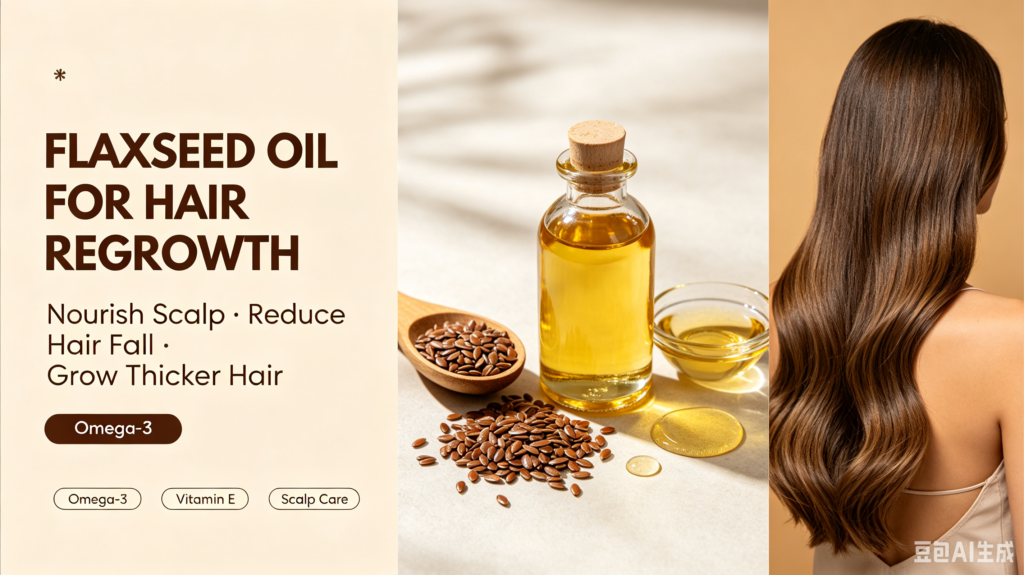
flaxseed for hair health is a popular female wellness search term, as nutritional gaps often contribute to brittle, dry, or slow-growing hair. The omega-3 fats, magnesium, and antioxidant lignans in flax seeds nourish hair follicles from the inside out, supporting scalp health and hair strength.
Healthy dietary fats improve scalp circulation and moisture retention, reducing dry, flaky scalp issues for many women. Individual results vary greatly based on genetics, stress levels, and overall nutrition. Flax seeds support hair wellness but cannot reverse hair loss or guarantee faster hair growth.
For women looking to amplify external beauty routines alongside internal nutrition, our dedicated guide covers practical tips for flaxseed oil for hair growth and long-term scalp care.
Ground Flaxseed vs Whole Flax Seeds
For women prioritizing maximum nutritional benefits, the difference between ground and whole flax seeds is decisive:
Ground Flaxseed
- Fully digestible, unlocking 100% of omega-3s, lignans, and fiber
- Easy to mix into daily meals with no extra preparation
- Ideal for consistent female nutritional and wellness support
Whole Flax Seeds
- Indigestible outer hull traps nearly all nutrients during digestion
- Passes through the gut mostly intact with minimal nutritional absorption
- Only suitable for texture enhancement, not nutritional supplementation
For all female wellness goals, ground flaxseed is the recommended daily choice.
Flax Seeds vs Flaxseed Oil for Women
Many women compare whole flax seeds and flaxseed oil to choose the best option for their routine. Both offer unique flaxseed oil benefits for female and nutritional advantages:
Flax Seeds (Ground)
- Contains full-spectrum soluble and insoluble fiber for gut health
- Packed with lignan antioxidants for female nutritional support
- Offers plant protein and essential minerals
- Supports digestion, satiety, and overall wellness
Flaxseed Oil
- Highly concentrated flaxseed oil omega 3 ALA fats
- Contains almost no fiber or lignans (removed during pressing)
- Light texture, easy to add to cold meals and skincare routines
- Focuses solely on omega-3 supplementation, no digestive benefits
Quick Recommendation: Choose ground flax seeds for full daily female nutritional support. Opt for flaxseed oil if you only want to boost omega-3 intake and already meet daily fiber requirements through other foods.
To fully differentiate these two popular flax products, explore our in-depth resources: flaxseed oil benefits for female (gender-specific oil nutrition), flaxseed oil for gut health (oil-based digestive support), and flaxseed oil benefits (full-spectrum oil wellness advantages).
How To Eat Flax Seeds Every Day
Ground flax seeds have a mild, nutty flavor that blends seamlessly into women’s daily meals without overpowering taste. These simple, low-effort methods ensure consistent nutrient intake:
- Smoothies: Blend 1 tablespoon of ground flaxseed into fruit, veggie, or protein smoothies for a hidden nutrient boost.
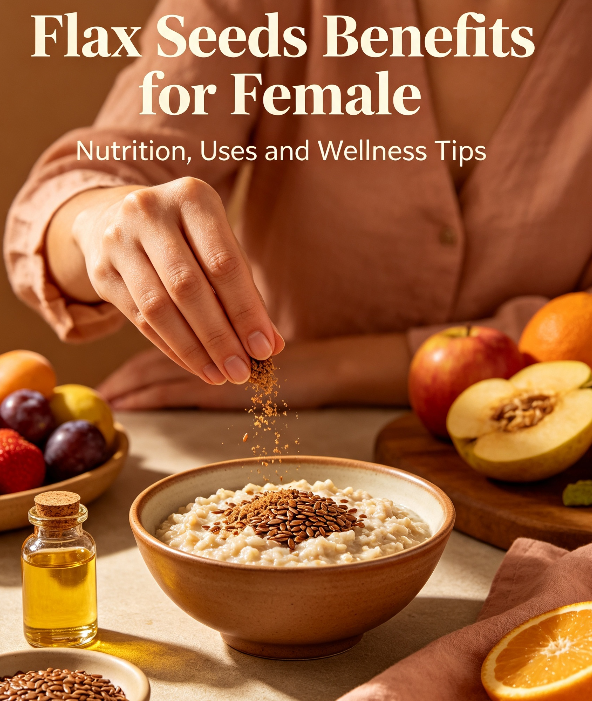
- Yogurt & Oatmeal: Sprinkle over plant or Greek yogurt, overnight oats, or warm porridge for balanced fiber and healthy fats.
- Salads & Cold Bowls: Mix into leafy salads, grain bowls, or cold dressings to preserve omega-3 integrity.
- Low-Temperature Baking: Add to muffins, energy balls, or whole-grain breads (bake below 350°F to avoid oxidizing omega-3s).
- Savory Dishes: Sprinkle over avocado toast, soups, or roasted veggies for subtle texture and nutrition.
Key rule: Avoid high-heat cooking, which damages fragile ALA fats and reduces nutritional value.
How Much Flaxseed Should Women Eat Per Day?
For adult women, nutritional experts recommend gentle, gradual intake to avoid digestive discomfort, with no medical dosage requirements:
- Beginners: Start with ½ tablespoon daily for 1–2 weeks to build gut tolerance
- Maintenance Dose: 1–2 tablespoons of ground flaxseed per day for most adult women
- Upper Gentle Limit: 3 tablespoons daily (excess may cause bloating)
Always pair flaxseed intake with extra water (8–12 oz per tablespoon) to support fiber digestion. Adjust portions based on personal gut sensitivity and daily dietary fiber intake.
Possible Side Effects of Flax Seeds
Flax seeds are safe for most women in moderate doses, but mild side effects may occur for new users or sensitive individuals:
- Bloating & Gas: Caused by sudden increased fiber intake without gradual adaptation
- Mild Digestive Discomfort: Common with insufficient water intake alongside fiber-rich flaxseed
- Rare Allergic Reactions: Isolated cases of oral itching or mild skin irritation in seed-sensitive individuals
All side effects are avoidable with slow intake progression and proper hydration. Women with chronic gut conditions or severe food sensitivities may consult a dietitian before regular use.
FAQ
Q1: What are the benefits of flax seeds for females?
Flax seeds offer valuable nutritional benefits for women, including plant-based omega-3 intake, fiber-driven digestive support, antioxidant protection from lignans, and internal nourishment for skin and hair. They can be part of a balanced diet to support overall female wellness.
Q2: Can women eat flax seeds every day?
Yes, most healthy adult women can consume moderate portions of ground flax seeds daily. Starting slowly and staying hydrated minimizes discomfort, supporting consistent long-term nutritional benefits.
Q3: Are flax seeds good for women’s health?
Yes, flax seeds are nutrient-dense whole foods that complement female health by filling common dietary gaps in healthy fats, fiber, and antioxidants. They support holistic wellness when paired with a balanced lifestyle.
Q4: Are flax seeds better than flaxseed oil?
For overall female health, ground flax seeds are superior due to their fiber and lignan content. Flaxseed oil offers more concentrated omega-3s but lacks the full nutritional spectrum of whole flax seeds.
Q5: Do flax seeds contain omega-3?
Yes, ground flax seeds are one of the richest plant-based sources of ALA omega-3 fatty acids, an essential nutrient critical for women’s systemic health, skin, and hair wellness.
Q6: How much flaxseed should a woman eat daily?
Most women thrive on 1–2 tablespoons of ground flaxseed daily. New users start at ½ tablespoon to build gut tolerance, with a gentle upper limit of 3 tablespoons per day.
Flax seeds are a powerful, accessible whole food for female wellness, packed with plant-based ALA omega-3s, dual-type dietary fiber, and unique lignan antioxidants. Their targeted nutritional profile supports digestive health, skin and hair nourishment, balanced healthy fat intake, and overall daily nutrition for women of all life stages.
Conclusion
It is important to recognize that flax seeds are a nutritional supplement to a healthy lifestyle, not a medical solution. They do not treat, cure, or prevent disease, nor do they guarantee specific wellness outcomes. Every woman’s body responds differently to dietary changes, so individual results may vary.
By incorporating moderate servings of ground flax seeds into daily meals with proper hydration, women can safely unlock the full nutritional potential of this ancient superfood, supporting long-term holistic health naturally.
References (Google EEAT Compliant Sources)
- USDA FoodData Central. Flaxseed Nutritional Profile Database (2024)
- Mayo Clinic. Plant-Based Omega-3 and Fiber Dietary Guidance (2025)
- NutritionFacts.org. Lignan and ALA Nutrient Analysis for Flaxseed (2025)
- PMC Peer-Reviewed Study: Flaxseed Lignans in Female Nutritional Wellness (2023)
- NIH Office of Dietary Supplements: ALA Omega-3 Fact Sheet (2024)
- Harvard T.H. Chan School of Public Health: Whole-Food Plant Nutrition Guidelines (2024)

Alex Wang
He researches nutritional information and creates educational content to help consumers better understand healthy fats, omega-3s, and food choices.