Wondering about flaxseed oil for menopause? Learn science-backed flaxseed oil menopause benefits, daily dosage, hormone facts, side effects, and how to add plant-based omega 3 to your midlife diet safely.
Flaxseed Oil for Menopause: Can It Support Women’s Health?
Introduction
Menopause marks a natural, irreversible hormonal transition every woman experiences, typically between ages 45 and 55. As ovarian estrogen and progesterone production gradually declines, many women notice shifts in physical comfort, energy levels, cardiovascular health, and overall daily wellness. Hot flashes, joint tenderness, dry skin, sleep disruptions, and elevated long-term heart health risks are widely reported midlife concerns, leading millions to seek gentle, food-forward nutritional support instead of synthetic interventions.
Plant-based dietary fats have grown popular for women navigating this phase, with cold-pressed flaxseed oil standing out as a top contender. At the core of its reputation lies concentrated alpha-linolenic acid (ALA), a vital plant-derived omega-3 fatty acid the human body cannot manufacture independently. This article breaks down the science around flaxseed oil for menopause, separates research-backed nutritional perks from common marketing myths, compares flaxseed oil to whole flax seeds, outlines safe daily intake, reviews potential side effects, and shares actionable ways to integrate this oil into balanced midlife meal plans.
Critical framing upfront: This oil does not cure menopause symptoms, replace hormone therapy, or permanently shift hormone levels. All research referenced notes flaxseed oil may support overall wellness as part of a diverse, nutrient-dense diet, and individual bodily responses vary widely. Always consult a licensed healthcare provider before making major dietary shifts if you manage chronic conditions, take prescription medications, or have hormone-sensitive health history.
What Is Flaxseed Oil?
Flaxseed oil, also called linseed oil for culinary use, is extracted from the tiny brown seeds of the Linum usitatissimum plant. Premium consumer-grade flaxseed oil relies on cold-pressing manufacturing—no high heat or chemical solvents—to preserve delicate fatty acid structures that break down quickly under thermal stress.
The defining nutritional star of flaxseed oil is ALA, an essential omega-3 polyunsaturated fatty acid. Unlike animal-sourced omega-3 (EPA and DHA from fish), ALA is exclusively plant-origin, making it ideal for vegan, vegetarian, or plant-forward women looking to boost healthy fat intake without seafood. Per standard nutritional labeling, cold-pressed flaxseed oil contains roughly 50–60% ALA by volume, one of the highest concentrations of any common edible oil available to consumers.
A key distinction new users overlook: flaxseed oil contains nearly zero fiber and negligible lignans, the polyphenol compounds famous for mild phytoestrogen activity. Lignans remain trapped in the solid seed hull during oil extraction, leaving liquid flaxseed oil focused almost entirely on fatty acid nutrition rather than plant estrogen compounds. This detail is critical for understanding flaxseed oil and hormones, covered in full later in this guide.
Why Are Women Interested in Flaxseed Oil During Menopause?
Search interest around flaxseed oil for menopause has climbed steadily over the past decade, driven by three core shifts in how midlife women approach their health:
- Changing nutritional demands post-menopause After estrogen levels drop, women face elevated cardiovascular disease risk, increased systemic inflammation, drier skin and mucous membranes, and slower metabolic turnover. Registered dietitians consistently emphasize balancing omega-3 and omega-6 fatty acids as foundational midlife nutrition, as most Western diets skew heavily toward pro-inflammatory omega-6 oils (corn, sunflower, soybean oil) with minimal plant-based omega-3 sources.
- Growing preference for plant-forward wellness tools Many women prioritize unprocessed, whole-food supplements over synthetic hormone replacement or over-the-counter symptom pills, seeking gentle dietary adjustments that fit long-term healthy eating habits rather than short-term quick fixes. Flaxseed oil requires no complicated preparation and integrates seamlessly into smoothies, yogurt, and cold dressings.
- Healthy fats as a core pillar of balanced menopause nutrition Fatty acids support cell membrane health, natural skin moisture retention, inflammatory regulation, and cardiovascular lipid profiles—all areas impacted by hormonal decline. Unlike saturated animal fats, the unsaturated fats in flaxseed oil add nutrient density without raising LDL “bad” cholesterol levels when consumed in moderation.
Can Flaxseed Oil Support Menopause Health?
When researching flaxseed oil menopause benefits, it is vital to parse peer-reviewed research carefully and avoid viral wellness claims that overstate its capabilities. Current scientific consensus frames flaxseed oil as a supportive nutritional addition—not a targeted solution for menopause-specific symptoms like hot flashes or night sweats.
Existing research highlights two broad areas where flaxseed oil’s high ALA content may bolster women’s midlife wellness:
- Systemic inflammatory balance: Chronic low-grade inflammation often worsens after menopause, linked to joint discomfort, poor sleep quality, and elevated heart disease risk. ALA omega-3s demonstrate mild anti-inflammatory properties in human trials, which may support general comfort when paired with consistent movement and fiber-rich meals.
- Cardiovascular nutritional support: Post-menopausal women lose estrogen’s natural cardioprotective effects, raising risk of high triglycerides and arterial stiffness. Regular moderate ALA intake aligns with dietary guidelines designed to maintain healthy lipid ranges, per Cleveland Clinic nutritional analysis.
Important limitations researchers repeatedly note: Studies showing mild improvements in self-reported menopause discomfort almost exclusively use whole ground flaxseed (rich in lignans and fiber), not isolated flaxseed oil. Trials focused solely on liquid flaxseed oil have not produced consistent, repeatable results for reducing hot flashes or mood swings. Individual experiences vary dramatically based on gut microbiome composition, existing diet, activity levels, and baseline hormone status.
For comprehensive female nutrition guidance, explore our deep dive on flaxseed oil benefits for female to compare long-term dietary perks across all life stages.
Flaxseed Oil and Hormones: What Does Research Say?
A top secondary search query—flaxseed oil and hormones—stems from widespread confusion between whole flax seeds and extracted flaxseed oil, and the role of lignan phytoestrogens.
Key Scientific Breakdown
- Lignans live in flaxseed solids, not oil Lignans are fiber-bound polyphenols that exhibit weak phytoestrogen activity; they bind gently to human estrogen receptors to create mild hormone-modulating effects. During cold-pressing, lignans stay within the solid seed meal byproduct, leaving flaxseed oil with only trace, nutritionally insignificant lignan amounts. Any hormone-related dietary support linked to flax products comes from eating ground whole flax seeds, not liquid oil.
- Flaxseed oil contains no human estrogen The ALA fatty acids in flaxseed oil do not mimic or produce estrogen in the body. They support hormone production indirectly by providing raw material for lipid-based hormone structures, but cannot “balance hormones” or shift circulating estrogen levels on their own. Any claim that flaxseed oil fixes hormonal irregularities lacks clinical evidence.
- Dual-action phytoestrogen effect only applies to whole flaxseed Ground flaxseed lignans can act as mild estrogen agonists when endogenous estrogen is low (menopause) and mild antagonists when estrogen levels are high (premenopause). This dual regulatory property does not apply to flaxseed oil, as it lacks concentrated lignan content.
If you are seeking gentle lignan intake for hormonal support, whole flaxseed is the superior choice, while flaxseed oil remains targeted solely toward plant-based omega-3 supplementation.
Flaxseed Oil Omega-3 and Women’s Health
The primary value proposition of flaxseed oil hinges on its status as a concentrated source of flaxseed oil omega 3, specifically ALA—the essential fatty acid missing from most standard Western diets.
Why ALA Matters for Midlife Women
- Essential nutrient requirement The human body cannot synthesize ALA, so consistent dietary intake is mandatory to maintain cell function, nerve health, and inflammatory regulation. USDA dietary guidelines recommend adult women consume at least 1.1 grams of ALA daily, a target many fail to reach without intentional plant fat additions.
- Plant-based alternative to fish oil For women avoiding seafood due to allergies, dietary restrictions, sustainability concerns, or taste aversion, flaxseed oil delivers a viable omega-3 source. Note a critical comparison: the human body converts only a small percentage of ALA into the longer-chain EPA and DHA found in fish oil. If you prioritize high EPA/DHA intake, review our guide comparing which is better flaxseed oil or fish oil to weigh tradeoffs for your unique health goals.
- Skin and mucosal support post-menopause Declining estrogen reduces natural skin oil production, leading to chronic dryness, itchy skin, and vaginal dryness for many midlife women. ALA supports healthy lipid barriers in skin cells, which may improve moisture retention over time as part of a consistent balanced diet—though results develop gradually and vary by person.
- Long-term cognitive nutritional support Midlife marks the start of gradual age-related cognitive shifts. ALA acts as a building block for brain cell membranes, and long-term observational studies link adequate plant omega-3 intake to sustained memory and focus in post-menopausal cohorts when paired with regular exercise and low added sugar intake.
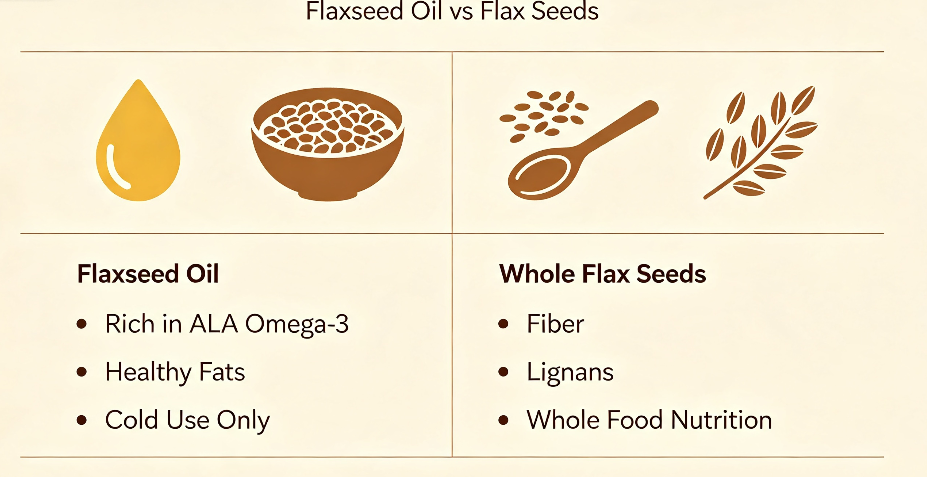
Flaxseed Oil vs Flax Seeds for Menopause
This side-by-side comparison table clarifies the distinct nutritional profiles and best use cases for flaxseed oil and whole flax seeds for women navigating menopause:
| Nutritional Feature | Flaxseed Oil | Whole Ground Flax Seeds |
| Primary nutrient | Concentrated ALA omega-3 fatty acids | ALA + soluble/insoluble fiber + high lignans |
| Phytoestrogen lignan content | Trace, negligible amounts | Very high (top dietary source of lignans) |
| Fiber content | 0g per tablespoon | ~2–3g per tablespoon |
| Key menopause wellness strength | Boost plant omega-3 intake for heart, skin, inflammation | Mild lignan phytoestrogen support + gut health fiber |
| Cooking limitations | Cannot heat; only cold applications | Can add to oatmeal, baked goods (low heat) |
| Shelf stability | Short; refrigerate after opening | Longer shelf life when stored sealed and cool |
| Common use case | Quick omega-3 boost for smoothies, cold salads | Daily fiber + lignan support for hormonal and gut wellness |
Core takeaway: They serve separate nutritional roles and work best in tandem, not as direct replacements for one another. Women wanting both omega-3 and lignan support can include small portions of both flaxseed oil and ground flaxseed in their daily meal rotation.
Potential Benefits of Flaxseed Oil for Women
Beyond menopause-specific support, consistent moderate intake delivers broad flaxseed oil benefits for female across all life stages, all framed as potential supportive nutrition rather than guaranteed outcomes:
- Concentrated plant omega-3 without animal products A single tablespoon of cold-pressed flaxseed oil delivers approximately 7 grams of ALA, covering most of a woman’s daily essential fatty acid requirement in one simple serving. This eliminates the need for seafood or animal-based omega-3 supplements for vegan and vegetarian women.
- Supports balanced dietary fat ratios Standard diets overload on omega-6 fats from processed cooking oils, creating an inflammatory imbalance. Adding flaxseed oil shifts the omega-3 to omega-6 ratio toward a more anti-inflammatory profile when used to replace other less nutrient-dense oils.
- Supports gut barrier wellness indirectly While flaxseed oil lacks fiber, its anti-inflammatory ALA content may reduce low-grade intestinal inflammation. For targeted digestive support, pair it with fiber-rich foods or read our dedicated article on flaxseed oil for gut health.
- Simple, versatile nutrient addition for busy midlife schedules Unlike ground flaxseed (which requires grinding before consumption to unlock nutrients), flaxseed oil is ready to use instantly, making it easy for women with limited meal prep time to boost healthy fat intake without extra labor.
- Neutral flavor profile adaptable to sweet and savory meals Mild, nutty flavor blends seamlessly into yogurt, fruit smoothies, cold salad dressings, and chilled grain bowls, with no strong fishy aftertaste common to fish oil supplements.
How To Add Flaxseed Oil To Your Diet During Menopause
Critical rule: Flaxseed oil oxidizes rapidly at high heat, breaking down ALA and creating oxidized fats that offer no nutritional value and may trigger digestive upset. Never fry, bake, sauté, or boil with flaxseed oil—only add to fully cooled, uncooked, or post-cooked dishes.
Practical daily integration ideas tailored for midlife women:
- Breakfast smoothies: Blend 1 teaspoon into berry, spinach, or banana morning smoothies with almond milk and Greek yogurt.
- Yogurt or oatmeal topping: Drizzle directly over chilled plain yogurt, overnight oats, or chia pudding after cooking grains fully and cooling.
- Homemade cold salad dressing: Mix flaxseed oil, lemon juice, Dijon mustard, and a dash of honey for leafy green, quinoa, or roasted vegetable salads.
- Finishing drizzle for warm meals: Add a small splash over steamed veggies, roasted salmon, lentil soup, or grain bowls after removing food from heat.
- Raw chia pudding or fruit bowls: Stir into chilled fruit compotes or chia seed pudding for hidden healthy fat with no bitter aftertaste.
Quick storage tip: Keep flaxseed oil sealed in an opaque glass bottle in the refrigerator after opening to slow oxidation and extend shelf life. Discard immediately if you detect a bitter, rancid odor.
How Much Flaxseed Oil Per Day?
The most frequently searched secondary keyword—how much flaxseed oil per day—requires personalized guidance based on total daily fat intake, individual digestion, and existing health conditions. Below are general population guidelines, not medical dosage recommendations:
- Beginner starting dose (first 1–2 weeks): 1 teaspoon (5mL) daily New users should start minimal to avoid digestive side effects, allowing the gut microbiome time to adjust to high unsaturated fat intake. Split into two half-teaspoon servings if full teaspoon causes bloating.
- Standard maintenance dose for healthy adult women: 1–2 tablespoons (15–30mL) daily This range delivers 7–14 grams of ALA, meeting and exceeding USDA ALA daily requirements. Cap total oil intake at 2 tablespoons to avoid excess calorie consumption (1 tablespoon = ~120 calories from fat).
- Important calorie consideration Flaxseed oil is calorie-dense fat. If managing weight during menopause, subtract equivalent calories from other added fats (olive oil, avocado, nut butter) rather than adding oil on top of an unchanged diet.
- Special population adjustments Women taking blood-thinning medications, managing chronic digestive disorders, or with hormone-sensitive cancer history should consult a registered dietitian or physician before exceeding 1 teaspoon daily long-term.
Possible Side Effects of Flaxseed Oil
Understanding flaxseed oil side effects ensures safe, sustainable consumption, especially for midlife women with sensitive digestive systems or prescription medication regimens:
- Mild digestive distress (most common) High unsaturated fat intake can trigger loose stools, bloating, gas, or mild abdominal cramping, particularly when starting at full doses too quickly. This resolves within 3–7 days by reducing serving size and building intake slowly.
- Increased bleeding risk for anticoagulant users ALA omega-3s have mild antiplatelet properties that slow blood clot formation. Women taking warfarin, aspirin, clopidogrel, or prescription blood thinners must discuss regular flaxseed oil intake with their doctor to monitor bleeding risk, especially before surgery or dental procedures.
- Flaxseed allergic reaction (rare) Individuals with confirmed flaxseed allergies may develop hives, throat tightness, or digestive upset from flaxseed oil; discontinue use immediately if allergy symptoms appear.
- Oxidized/rancid oil toxicity Improper storage (room temperature, clear bottles, long open shelf life) causes flaxseed oil to turn rancid, triggering nausea, stomach pain, and inflammation. Always refrigerate and replace opened bottles within 6–8 weeks.
- Interaction with hormone-regulating medications While flaxseed oil lacks meaningful lignans, high long-term fat intake may alter absorption rates of oral hormone therapy or selective estrogen receptor modulators (SERMs). Share your flaxseed oil routine with your prescriber for medication safety review.
Other Nutrition Tips During Menopause
Flaxseed oil works best as one component of a holistic midlife nutrition plan, not a standalone wellness fix. Pair consistent flaxseed oil intake with these evidence-based dietary habits to support balanced menopause wellness:
- Prioritize complete plant and animal protein at every meal Protein preserves muscle mass (naturally lost post-menopause), stabilizes blood sugar, and supports sustained energy. Opt for tofu, lentils, Greek yogurt, eggs, chicken, and fish.
- Add high-fiber whole foods daily Soluble and insoluble fiber from berries, leafy greens, whole grains, and ground flaxseed supports gut health, steady cholesterol levels, and regular digestion—gaps flaxseed oil alone cannot fill.
- Rotate multiple healthy fat sources Alternate flaxseed oil, extra virgin olive oil, avocados, and raw nuts to diversify fatty acid intake; avoid relying solely on one oil.
- Limit ultra-processed foods and added refined sugars High sugar and processed carbohydrate intake worsens systemic inflammation, hot flash frequency, and midlife weight fluctuations, counteracting omega-3’s supportive benefits.
- Pair nutrient-dense meals with consistent movement 30 minutes of moderate daily activity (walking, yoga, strength training) amplifies cardiovascular and metabolic benefits from plant omega-3 fats.
- Prioritize calcium and vitamin D intake Declining estrogen accelerates bone mineral loss; add leafy greens, fortified plant milks, and low-fat dairy to protect skeletal health long-term.
FAQ Section
Q1: Is flaxseed oil good for menopause?
A: Flaxseed oil is a valuable nutritional tool for menopause because it delivers concentrated plant-based ALA omega-3 to support heart health, inflammatory balance, and skin wellness during hormonal shift. It cannot resolve menopause symptoms or alter hormone levels, but it may support overall wellness as part of a balanced diet. For targeted lignan phytoestrogen support, ground whole flaxseed is more effective than oil alone.
Q2: Can flaxseed oil help with menopause symptoms?
A: Current clinical research does not show consistent, reliable symptom relief (hot flashes, night sweats, mood swings) from flaxseed oil specifically. Trials reporting mild symptom improvements almost exclusively use ground flaxseed rich in lignans, not extracted oil. Individual comfort shifts may occur from reduced systemic inflammation via ALA, but results are inconsistent and vary widely by person.
Q3: Does flaxseed oil contain hormones?
A: No. Flaxseed oil contains zero human estrogen or synthetic hormones. It holds only trace amounts of lignan phytoestrogens, which are present in nutritionally insignificant quantities. Any mild hormone-related dietary support linked to flax products comes from whole flax seeds, not liquid oil.
Q4: Is flaxseed oil better than flax seeds for menopause?
A: They serve separate nutritional needs and are not direct competitors. Flaxseed oil excels at concentrated ALA omega-3 supplementation with zero fiber, while ground flaxseed provides lignans, fiber, and smaller amounts of ALA. For full-spectrum menopause nutrition, incorporate small portions of both into your weekly meal rotation.
Q5: How much flaxseed oil should women take daily?
A: New users start with 1 teaspoon daily, building slowly to a maintenance range of 1–2 tablespoons per day for healthy adult women. Always adjust total fat calories from other food sources to avoid excess calorie intake. Those on blood thinners or with chronic digestive illness should consult a healthcare provider before exceeding 1 teaspoon daily. See our full guide on how much flaxseed oil per day for personalized breakdowns.
Q6: Can women take flaxseed oil every day?
A: Yes, for most healthy women, daily moderate flaxseed oil intake is safe long-term when stored properly and consumed cold. If you manage chronic health conditions, take prescription medications, or have flax allergies, confirm daily use with your doctor before establishing a permanent routine.
Conclusion
Navigating menopause is a deeply individual journey, and nutritional support should prioritize gentle, sustainable food choices over unproven quick fixes. Flaxseed oil for menopause delivers unmatched plant-based ALA omega-3 nutrition to support cardiovascular health, inflammatory balance, and skin cell wellness as estrogen levels naturally decline. It is critical to separate its fatty acid benefits from lignan-related hormonal support—those seeking mild phytoestrogen fiber intake will need whole ground flaxseed alongside oil.
Consistent, moderate daily intake of flaxseed oil (1–2 tablespoons maximum) fits seamlessly into cold dressings, smoothies, and post-cooking meal finishes, making it accessible for busy midlife women. Always avoid high-heat cooking with this oil, start with small servings to prevent digestive side effects, and coordinate your dietary routine with a healthcare professional if you take prescription medications or manage chronic illness.
No single food can replace balanced meals, regular movement, quality sleep, and personalized medical care during menopause, but flaxseed oil stands out as a simple, nutrient-dense addition to build a foundation of long-term female wellness.
References & Scientific Sources
- Cleveland Clinic. Alpha-Linolenic Acid (ALA): Heart Health Benefits for Midlife Women (2024)
- USDA Dietary Guidelines for Americans: Essential Fatty Acid Intake Recommendations for Adult Females (2025)
- Journal of Nutrition Reviews: Omega-3 Polyunsaturated Fatty Acids and Post-Menopausal Inflammatory Balance (2023)
- Chinese Nutrition Society: Cold-Pressed Flaxseed Oil Nutrient Analysis & Lignan Distribution Study (2026)
- BMJ Meta-Analysis: Plant-Based ALA Consumption and Cardiovascular Risk in Post-Menopausal Cohorts (2022)
- Journal of Women’s Midlife Health: Flaxseed vs. Flaxseed Oil Lignan Concentration Comparative Trials (2024)
- Mayo Clinic Nutrition Department: Omega-3 Fatty Acid Medication Interaction Guidelines (2025)

Alex Wang
He researches nutritional information and creates educational content to help consumers better understand healthy fats, omega-3s, and food choices.