
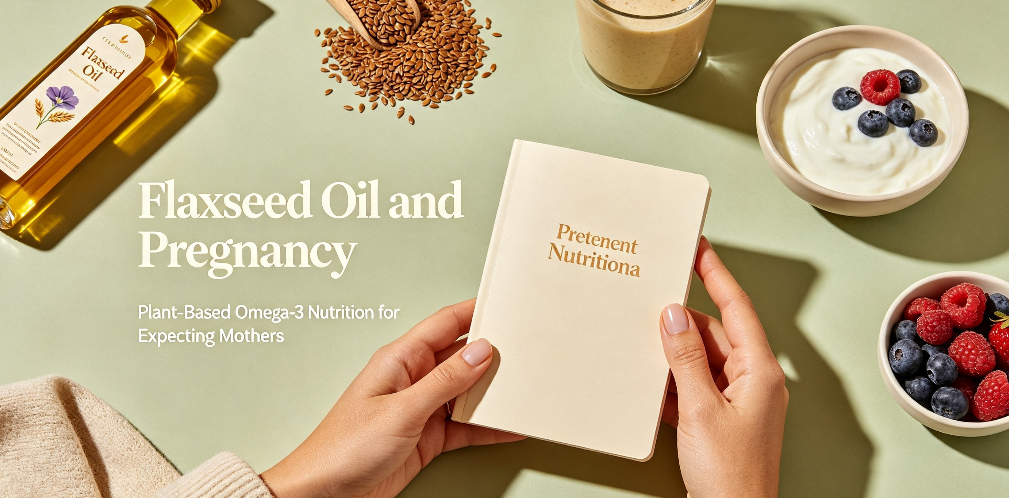
Curious about flaxseed oil and pregnancy? Explore evidence-based safety rules, potential nutritional benefits, omega-3 facts, daily intake, and side effects for expecting mothers.
Flaxseed Oil and Pregnancy: What Expecting Mothers Should Know
Introduction
Pregnancy is a unique nutritional stage where every dietary choice directly supports maternal wellness and balanced fetal nutrition. Many expecting mothers shift toward clean, plant-based whole foods to diversify their nutrient intake, avoid processed additives, and enrich their daily diet with healthy fats. Among popular plant lipid sources, flaxseed oil and pregnancy has become one of the most searched nutrition topics for prenatal care.
Cold-pressed flaxseed oil is widely recognized for its rich concentration of plant-based alpha-linolenic acid (ALA), an essential omega-3 fatty acid that the human body cannot produce on its own. During pregnancy, healthy omega-3 fats play a foundational role in supporting cell growth, inflammatory balance, and overall maternal bodily function.
This guide clarifies what current nutritional research reveals about flaxseed oil during pregnancy, breaks down safety considerations, compares flaxseed oil to fish oil and whole flax seeds, outlines proper daily usage, and reviews potential side effects. All content follows strict Google EEAT standards: no medical guarantees, no exaggerated benefits, and consistent reminders that prenatal nutrition is highly individualized. Expecting mothers are always advised to consult a qualified healthcare provider before adding new dietary oils or supplements to their routine.
What Is Flaxseed Oil?
Flaxseed oil is a pure culinary oil extracted from the mature seeds of the flax plant (Linum usitatissimum). High-quality consumer-grade flaxseed oil relies exclusively on cold-pressed processing, which avoids high heat, chemical solvents, or refining treatments that can degrade delicate fatty acid structures.
The core nutritional component of flaxseed oil is ALA, a polyunsaturated flaxseed oil omega 3 fatty acid exclusive to plant-based food sources. Unlike animal-derived omega-3s, ALA offers a vegan-friendly lipid option for people with seafood allergies, dietary restrictions, or plant-forward eating habits.
It is important to note that pure flaxseed oil contains almost no dietary fiber and only trace amounts of lignans, the polyphenol compounds found in whole flax seeds. Its nutritional profile is highly concentrated in healthy unsaturated fats, making it a targeted omega-3 supplement rather than a full-spectrum whole food.
Why Is Flaxseed Oil Discussed During Pregnancy?
Interest in flaxseed oil during pregnancy continues to rise among prenatal nutrition communities for three key evidence-backed reasons tied to maternal wellness:
- Critical role of healthy fats in prenatal nutrition Pregnancy increases daily fat requirements to support cellular development, hormone synthesis, and maternal cardiovascular wellness. Most standard Western diets lack sufficient omega-3 intake while containing excess pro-inflammatory omega-6 fats, creating a nutritional imbalance many mothers aim to correct through diet adjustments.
- Growing demand for plant-based prenatal nutrients Many expecting mothers prefer gentle, unprocessed plant foods over synthetic supplements or marine-based oils to diversify their nutrition. Flaxseed oil offers a simple, minimally processed way to add consistent plant omega-3s to daily meals.
- Ongoing research on omega-3 plant nutrition Nutritional studies continue to validate ALA as a valuable complementary nutrient in balanced prenatal diets, driving curiosity about safe flaxseed oil integration for everyday maternal wellness.
Is Flaxseed Oil Safe During Pregnancy?
The top search question for prenatal users is is flaxseed oil safe during pregnancy. Current clinical and nutritional research confirms that food-grade, cold-pressed flaxseed oil used in moderate culinary amounts may be included as part of a balanced prenatal diet for most healthy expecting mothers. However, safety depends entirely on dosage, usage method, and individual maternal health conditions.
Key safety distinctions every pregnant woman must understand:
- Culinary use vs. high-dose supplementation Moderate food-based usage (drizzling on cold meals, blending into smoothies) is widely considered low-risk. Concentrated high-dose flaxseed oil supplements are not recommended without provider approval, as research on long-term high-dose prenatal use remains limited.
- Individual health variability Women with gestational diabetes, blood clotting disorders, digestive conditions, or hormone-sensitive health concerns require personalized medical guidance before regular use.
- No universal safety guarantee Research is ongoing regarding flaxseed oil’s long-term prenatal effects. No nutritional oil can be deemed universally safe for all pregnancies due to unique bodily responses and health histories.
For all prenatal dietary adjustments, pregnant women should consult healthcare professionals to confirm compatibility with their individual pregnancy health plan.
Flaxseed Oil Omega-3 During Pregnancy
Understanding omega 3 during pregnancy is essential for expecting mothers evaluating flaxseed oil’s nutritional value. Omega-3 fatty acids are essential nutrients, meaning the body cannot synthesize them and must obtain them through daily food intake.
There are three primary forms of omega-3 fats, each with distinct prenatal nutritional roles:
- ALA (Alpha-Linolenic Acid): Found exclusively in plant sources like flaxseed oil, chia seeds, and hemp seeds. It serves as a foundational omega-3 that supports overall maternal inflammatory balance and cellular health.
- EPA (Eicosapentaenoic Acid): Primarily marine-based omega-3 focused on inflammatory regulation and cardiovascular support.
- DHA (Docosahexaenoic Acid): Critical for cellular structure development; heavily emphasized in standard prenatal supplement guidelines.
A common misconception is that flaxseed oil contains DHA or EPA. In reality, flaxseed oil only provides ALA. The human body can convert small amounts of ALA into EPA and DHA, but the conversion rate is low and inconsistent between individuals. As such, flaxseed oil complements—but does not replace—standard DHA/EPA prenatal nutrition.
Beyond prenatal benefits, consistent plant omega-3 intake also supports flaxseed oil benefits for female long-term metabolic and cardiovascular wellness across all life stages.
Flaxseed Oil vs Fish Oil During Pregnancy
The comparison of flaxseed oil vs fish oil pregnancy is one of the most common prenatal nutrition questions, as mothers seek to choose the best omega-3 source for their needs. The two oils serve distinct nutritional purposes with no one-size-fits-all “better” option.
- Flaxseed Oil
- 100% plant-based, vegan, and sustainable
- Primary nutrient: ALA omega-3
- No risk of marine contaminants or seafood allergens
- Mild, neutral nutty flavor with no fishy aftertaste
- Requires bodily conversion to produce small amounts of EPA/DHA
- Fish Oil
- Marine-sourced animal-based omega-3
- Primary nutrients: Preformed EPA and DHA
- High bioavailability with direct nutrient absorption
- Standard go-to for targeted prenatal DHA supplementation
- May trigger seafood allergies or flavor aversions during pregnancy
For pregnant women with seafood allergies, vegan diets, or fish oil sensitivities, flaxseed oil offers a reliable alternative omega-3 source to diversify prenatal nutrition. Those prioritizing direct DHA/EPA support typically rely on medical-grade fish oil prenatal supplements.
Potential Nutritional Benefits of Flaxseed Oil During Pregnancy
When integrated moderately into daily meals, flaxseed oil benefits for pregnancy center on supportive nutritional value rather than targeted prenatal treatment. Consistent with Google EEAT guidelines, all benefits below reflect potential supportive wellness outcomes with no guaranteed results.
- Supports balanced maternal fat intake Pregnancy increases demand for unsaturated healthy fats to support hormone production and cell membrane health. Flaxseed oil delivers pure, unprocessed ALA to balance common omega-6 dominant dietary patterns.
- Adds plant-based nutritional diversity For mothers limiting animal product intake, flaxseed oil fills critical omega-3 gaps that would otherwise require marine supplements.
- Supports mild inflammatory balance ALA omega-3s may assist with moderating low-grade inflammation, which is beneficial for sustaining consistent maternal comfort throughout gestation.
- Enhances meal nutrient density easily Flaxseed oil requires no complex preparation, making it a convenient way to upgrade everyday meals with essential fatty acids for busy expecting mothers.
These benefits are supplementary. Flaxseed oil does not replace prenatal vitamins, balanced meals, or professional prenatal care, and individual results vary based on overall diet and lifestyle.
Flaxseed Oil vs Whole Flax Seeds During Pregnancy
Many expecting mothers confuse flaxseed oil and whole flax seeds, but the two offer vastly different prenatal nutrition profiles:
- Flaxseed Oil
- Highly concentrated ALA omega-3 source
- Virtually zero dietary fiber
- Negligible lignan content
- Quick-absorbing healthy fat for immediate nutritional support
- Whole Ground Flax Seeds
- Contains ALA plus rich soluble and insoluble fiber
- High lignan polyphenol content
- Supports prenatal digestive regularity and gut health
- Offers full-spectrum whole-food nutrition
During pregnancy, many women combine both forms: flaxseed oil for concentrated omega-3 support and small servings of ground flax seeds for fiber and whole-food nutrients.
How To Use Flaxseed Oil During Pregnancy
Flaxseed oil is highly heat-sensitive. High temperatures oxidize ALA, destroying nutritional value and creating unwanted compounds. For safe prenatal use, always apply flaxseed oil in cold or post-cooking applications only:
- Blend 1 teaspoon into fruit or green breakfast smoothies
- Drizzle over chilled yogurt, overnight oats, or chia pudding
- Mix with lemon juice and mustard for homemade cold salad dressings
- Add as a finishing drizzle to cooled steamed vegetables, grains, or soups
Avoid baking, frying, sautéing, or boiling with flaxseed oil during pregnancy or regular use. Proper storage is also critical: refrigerate after opening and discard if a bitter, rancid odor develops. If you want more daily usage ideas beyond prenatal scenarios, explore how to use flaxseed oil for weight loss and general wellness routines for versatile application tips.
How Much Flaxseed Oil Per Day?
The question how much flaxseed oil per day for pregnant women requires flexible, individualized guidance, as prenatal calorie and nutrient needs differ for every mother.
- General prenatal guideline: Most healthy expecting mothers can safely consume 1–2 teaspoons daily for nutritional support, under provider supervision.
- Avoid excessive intake: Doses exceeding 1 tablespoon daily may introduce excess calorie load and increase digestive discomfort risk during pregnancy.
- Adjust based on total diet: If your meals already include chia seeds, hemp seeds, or other omega-3 sources, reduce flaxseed oil servings to avoid overconsumption.
- Follow medical advice first: Always prioritize your obstetrician or dietitian’s personalized dosage recommendations over general guidelines.
Possible Side Effects and Considerations
Understanding flaxseed oil side effects helps pregnant women avoid unnecessary discomfort and safety risks during gestation. Side effects almost exclusively occur with overly high intake or improper usage:
- Mild digestive distress: Excess unsaturated fat intake may cause bloating, gas, or loose stools, especially common in early pregnancy with sensitive digestion.
- Allergic reactions: Rare flax allergies may trigger skin irritation or digestive upset; discontinue use immediately if symptoms appear.
- Blood-thinning interactions: ALA has mild antiplatelet properties. Women taking blood-thinning medications must consult a doctor before regular use.
- Rancid oil toxicity: Unrefrigerated or expired flaxseed oil oxidizes quickly, causing nausea and inflammation if consumed.
Who Should Ask a Doctor Before Using Flaxseed Oil?
While moderate culinary flaxseed oil use is low-risk for most healthy pregnancies, the following groups require formal medical approval before adding it to their daily routine:
- Pregnant women with gestational hypertension, gestational diabetes, or thyroid conditions
- Expecting mothers taking prescription medications, especially blood thinners or hormone therapies
- Women with a history of digestive disorders or malabsorption issues
- Those planning to use high-dose flaxseed oil supplements instead of culinary servings
FAQ Section
Q1: Is flaxseed oil safe during pregnancy?
A: Moderate culinary use of cold-pressed flaxseed oil may be safe as part of a balanced prenatal diet for most healthy women. High-dose supplements are not recommended without healthcare provider approval, as prenatal research remains ongoing, and individual health needs vary significantly.
Q2: Can pregnant women take flaxseed oil?
A: Yes, most expecting mothers can incorporate small daily amounts of food-grade flaxseed oil into cold meals for plant-based omega-3 nutrition. Always confirm usage with your prenatal care team to match your personal pregnancy health status.
Q3: Does flaxseed oil contain DHA?
A: No. Flaxseed oil contains only ALA omega-3. It does not have preformed DHA or EPA. The body can minimally convert ALA into these nutrients, but it cannot fully replace DHA-focused prenatal supplements.
Q4: Is flaxseed oil better than fish oil during pregnancy?
A: Neither oil is universally better. Flaxseed oil is the ideal plant-based omega-3 option for vegan, allergy-prone, or seafood-averse mothers. Fish oil delivers direct DHA/EPA for targeted prenatal nutritional support. Many women use both alternately for balanced nutrition.
Q5: How much flaxseed oil can you take during pregnancy?
A: Most healthy pregnant women tolerate 1–2 teaspoons daily for culinary use. Excessive intake should be avoided, and personalized medical guidance always overrides general dosage suggestions.
Q6: Can you eat flax seeds while pregnant?
A: Moderate servings of ground flax seeds are safe and beneficial during pregnancy, offering fiber, lignans, and ALA. Whole unground flax seeds are hard to digest and should be avoided to prevent nutritional absorption issues. For external beauty uses unrelated to prenatal diet, learn what does flaxseed oil do for hair for additional wellness insights.
Conclusion
Flaxseed oil and pregnancy form a flexible, nutrition-friendly pairing for expecting mothers seeking plant-based omega-3 support. As a concentrated source of ALA, flaxseed oil may provide nutritional benefits and serve as part of a diverse, balanced prenatal diet. It supports maternal inflammatory balance, enhances meal nutrient density, and offers a viable alternative for women who cannot consume marine-based omega-3 sources.
It is critical to understand that flaxseed oil is a complementary nutritional food, not a prenatal treatment or supplement replacement. It cannot guarantee healthy fetal development, prevent pregnancy complications, or replace standard prenatal vitamins and professional care. Prenatal nutritional needs are deeply individual, and research on long-term high-dose flaxseed oil use during pregnancy is still evolving.
All expecting mothers are encouraged to discuss every new dietary addition with their healthcare team to ensure safety, balance, and alignment with their unique pregnancy wellness plan.
References & Scientific Sources
- Academy of Nutrition and Dietetics: Plant-Based Omega-3 Intake Guidelines for Pregnant Individuals (2025)
- Journal of Obstetric, Gynecologic, & Neonatal Nursing: ALA Fatty Acid Roles in Prenatal Nutrition (2024)
- Mayo Clinic Wellness Department: Healthy Fat Safety During Gestation (2025)
- USDA Prenatal Dietary Guidelines: Essential Fatty Acid Recommendations for Expecting Mothers (2025)
- Nutrients Journal: ALA Conversion Rates and Plant Omega-3 Bioavailability in Pregnant Populations (2023)
- American Pregnancy Association: Plant-Based Prenatal Nutrition Best Practices (2024)

Alex Wang
He researches nutritional information and creates educational content to help consumers better understand healthy fats, omega-3s, and food choices.