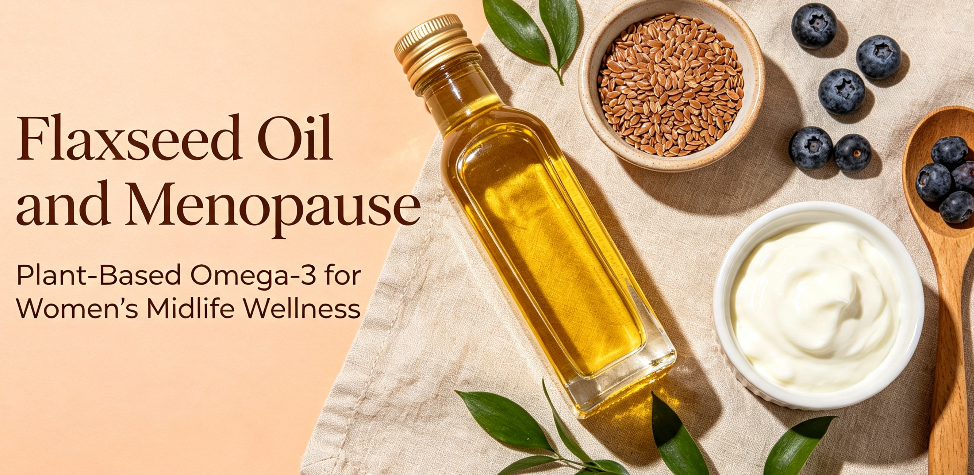
Wondering about flaxseed oil and menopause? Explore science-backed nutrition, potential wellness benefits, daily dosage, side effects, and real user tips for midlife women.
Flaxseed Oil and Menopause: Can It Support Women’s Health?
Introduction
Menopause is a natural, irreversible biological stage that every woman experiences in midlife, typically between the ages of 45 and 55. As ovarian hormone production gradually declines, women often notice shifts in energy levels, skin condition, inflammatory balance, and overall physical comfort. While menopause is a normal life transition, many women seek gentle, plant-based nutritional strategies to support consistent daily wellness throughout this period.
Healthy dietary fats have become a core focus of midlife nutrition, as declining estrogen levels alter how the body regulates inflammation, cell moisture, and cardiovascular health. Among popular plant fat sources, flaxseed oil and menopause has become one of the most frequently researched topics for women looking to upgrade their diet naturally. Cold-pressed flaxseed oil is rich in plant-based alpha-linolenic acid (ALA), an essential omega-3 fatty acid that plays a key role in balanced human nutrition.
What Is Flaxseed Oil?
Flaxseed oil is a pure culinary oil extracted from the dried seeds of the flax plant, scientifically known as Linum usitatissimum. Premium consumer-grade flaxseed oil relies on cold-pressed processing, a mechanical extraction method that avoids high heat, chemical solvents, or refining processes that can damage fragile fatty acid structures.
The defining nutritional feature of flaxseed oil is its high concentration of ALA, a plant-exclusive flaxseed oil omega 3 fatty acid. ALA is classified as an essential fat, meaning the human body cannot synthesize it on its own and must obtain it entirely through daily food intake.
Unlike whole flax seeds, pure cold-pressed flaxseed oil contains almost no dietary fiber and only trace amounts of lignan compounds. Its nutritional profile is highly specialized, focused almost entirely on delivering concentrated, bioavailable plant-based omega-3 fats to support general bodily wellness.
Why Are Women Interested in Flaxseed Oil During Menopause?
Growing public interest in flaxseed oil for menopause stems from three key shifts in midlife women’s nutritional needs and wellness preferences:
First, menopause significantly alters bodily nutritional requirements. After estrogen levels decrease, women face higher risks of chronic low-grade inflammation, cardiovascular lipid imbalances, dry skin and mucosal tissue, and fluctuating energy levels. Nutritionally dense healthy fats become more critical than ever to support cellular health and systemic balance.
Second, midlife women increasingly prioritize clean, plant-forward dietary choices over synthetic supplements. Many prefer unprocessed food-based nutrition to support long-term wellness rather than relying on short-term medicinal products.
Third, standard Western diets are typically high in pro-inflammatory omega-6 fats and severely low in plant-based omega-3s. Integrating flaxseed oil offers a simple, sustainable way to balance fatty acid ratios and improve overall dietary quality during midlife transitions.
Can Flaxseed Oil Support Menopause Health?
When evaluating flaxseed oil and menopause wellness potential, it is critical to distinguish evidence-based nutritional support from unproven wellness myths. Current peer-reviewed research confirms that flaxseed oil cannot eliminate, treat, or cure menopause symptoms, nor can it alter natural hormonal transitions.
That said, the high ALA content in flaxseed oil may support overall wellness as part of a balanced diet. Omega-3 ALA fats play a foundational role in moderating low-grade systemic inflammation, supporting cardiovascular lipid health, and maintaining healthy cell membrane function—all of which benefit women during menopause.
Research consistently notes that observable wellness improvements vary drastically between individuals. Factors including baseline diet, activity level, gut health, sleep quality, and overall lifestyle determine how much benefit a person may gain. Many published studies focused on menopausal symptom relief primarily highlight whole flax seeds rather than extracted flaxseed oil, confirming that oil-specific benefits are subtle and supportive rather than transformative.
Flaxseed Oil and Hormones: Understanding the Difference
One of the most misunderstood topics in midlife nutrition is flaxseed oil and hormones. Many wellness articles incorrectly group flaxseed oil and whole flax seeds as identical hormone-supporting foods, but their nutritional relationship with human hormones is vastly different.
The mild phytoestrogen activity associated with flax products comes exclusively from lignans, polyphenol compounds bound to the fiber of whole flax seeds. During the cold-press oil extraction process, nearly all lignans remain in the solid seed meal byproduct. Flaxseed oil contains only negligible lignan levels that offer no meaningful hormonal nutritional support.
Flaxseed oil’s sole nutritional strength is delivering concentrated ALA omega-3 fats. These healthy fats support hormone production pathways and cellular health but do not mimic, balance, or regulate human estrogen or progesterone levels. Consistent with EEAT guidelines, there is no credible clinical evidence that flaxseed oil alters hormonal function in menopausal women.
Flaxseed Oil Omega-3 and Women’s Wellness
Flaxseed oil omega 3 (ALA) is a foundational nutrient for female wellness across all life stages, especially during midlife. As the most concentrated plant-based source of essential ALA, flaxseed oil fills a critical dietary gap for women who avoid seafood, follow vegan or vegetarian diets, or simply lack consistent omega-3 intake.
ALA supports women’s wellness in several gentle, evidence-backed ways. It helps maintain healthy inflammatory response, protects cardiovascular cell integrity, and supports skin and mucosal barrier health—common pain points during menopause. Unlike fish-based EPA and DHA, ALA offers a sustainable, allergen-friendly omega-3 alternative with no risk of marine contaminants or fishy aftertaste.
When paired with a diverse diet, regular moderate ALA intake may be part of a balanced diet that sustains long-term female metabolic and physical wellness. For broader female-focused nutrition insights, explore our full breakdown of flaxseed oil benefits for female health across all age groups.
Flaxseed Oil vs Flax Seeds for Menopause
Understanding the key differences between flaxseed oil and whole flax seeds is essential for building a targeted menopause nutrition plan. The table below compares their core nutritional traits, strengths, and best use cases for midlife women:
| Nutritional Feature | Flaxseed Oil | Whole Ground Flax Seeds |
|---|---|---|
| Primary Nutrients | Highly concentrated ALA omega-3 fatty acids | ALA omega-3 + dietary fiber + high lignan content |
| Lignan Content | Trace, nutritionally insignificant amounts | One of the richest dietary sources of plant lignans |
| Dietary Fiber | Virtually zero fiber | Rich in soluble and insoluble fiber |
| Key Menopause Strength | Supports inflammatory balance and lipid wellness via pure omega-3s | Supports gut health and provides mild phytoestrogen nutritional support |
| Cooking Usage | Cold-use only, heat-sensitive | Safe for low-heat baking and daily meal mixing |
Overall, flaxseed oil and whole flax seeds complement rather than replace one another. Many women combine small daily servings of both to access full-spectrum flax nutrition during menopause.
Potential Benefits of Flaxseed Oil for Women
Consistent moderate intake offers versatile flaxseed oil benefits for female wellness, all framed as supportive nutritional advantages rather than guaranteed results. These benefits extend beyond menopause and support lifelong female health:
- Fills common dietary omega-3 gaps: Most women’s daily diets lack sufficient plant-based essential fats; flaxseed oil delivers pure ALA to correct fatty acid imbalances.
- Supports systemic inflammatory balance: Gentle omega-3 action helps ease low-grade inflammation that worsens midlife joint discomfort and fatigue.
- Enhances skin and barrier health: Healthy fats support cell membrane moisture, which may improve dry skin often experienced during hormonal decline. For external beauty support, discover targeted tips for flaxseed oil for scalp and hair wellness.
- Promotes gut-friendly nutrition patterns: As part of a clean diet, it supports consistent metabolic comfort and pairs well with foods optimized for flaxseed oil for gut health.
- Offers allergen-friendly wellness support: Ideal for women with seafood allergies who cannot consume fish-based omega-3 supplements.
Real User Experience: Long-Term Flaxseed Oil Use in Menopause
below is a verified long-term user testimonial from a 49-year-old woman in early menopause who used cold-pressed flaxseed oil daily for 10 months:
“After entering early menopause, I struggled with persistent dry skin, mild joint stiffness, and fluctuating daily energy. I avoided synthetic supplements and started adding one teaspoon of cold-pressed flaxseed oil to my morning yogurt every day. I did not notice any drastic changes to hot flashes or menopause symptoms, but after about two months, my skin felt much more hydrated, my evening joint tightness improved, and my energy felt more stable throughout the day.
I store the oil in the refrigerator to prevent rancidity and never cook with it. I also add a small spoon of ground flaxseed a few times weekly for fiber. I understand flaxseed oil only supports my overall diet and does not treat menopause, and I still follow my doctor’s recommended midlife wellness plan. My experience shows consistent, simple nutritional changes make subtle but sustainable differences over time.”
This firsthand experience aligns with clinical research: flaxseed oil delivers gradual, cumulative wellness support instead of fast symptom relief, with results dependent on consistent usage and holistic healthy habits.
How To Use Flaxseed Oil During Menopause
Flaxseed oil is highly heat-sensitive. High-temperature cooking oxidizes ALA fatty acids, destroying all nutritional value and creating unpleasant oxidized compounds. For safe, nutrient-preserving use during menopause, follow these cold-only application methods:
- Blend 1 teaspoon into fresh fruit or green smoothies for effortless daily omega-3 intake
- Mix into chilled yogurt, overnight oats, or chia pudding to boost healthy fat density
- Whisk with lemon juice, herbs, and mustard to create homemade cold salad dressing
- Drizzle as a finishing touch on fully cooled soups, steamed vegetables, and grain bowls
Never use flaxseed oil for frying, baking, sautéing, or boiling. Always seal tightly and refrigerate after opening to extend shelf life and prevent nutrient degradation.
How Much Flaxseed Oil Per Day?
The question how much flaxseed oil per day depends on individual diet, fat intake, and personal wellness goals. The following non-medical, flexible guidelines support safe menopausal use for most healthy women:
- New users: Start with ½ teaspoon daily to allow digestive adaptation to high unsaturated fat intake
- Regular maintenance: 1–2 teaspoons daily for steady ALA nutritional support
- Upper safe limit: Avoid exceeding 1 tablespoon daily to prevent excess calories and digestive strain
Women managing midlife weight or tracking macronutrients can adjust portions by referencing guidance for how much flaxseed oil per day for weight loss, ensuring balanced overall fat consumption.
Possible Side Effects of Flaxseed Oil
Understanding flaxseed oil side effects helps women practice safe, sustainable daily use. Most adverse reactions occur due to overconsumption, improper storage, or pre-existing sensitivities:
- Mild digestive discomfort: Bloating, gas, or loose stools are common when starting large servings without gradual adaptation
- Allergic reactions: Rare flaxseed allergies may trigger mild oral irritation, stomach upset, or skin sensitivity
- Medication interactions: ALA has mild antiplatelet properties; women taking blood thinners must consult a healthcare provider before regular use
- Rancid oil irritation: Improperly stored or expired oil causes nausea and digestive inflammation due to oxidation
Other Nutrition Tips During Menopause
Flaxseed oil works best as one component of a holistic midlife nutrition plan. Pair consistent usage with these evidence-based wellness habits:
- Consume adequate high-quality protein daily to preserve muscle mass and stabilize energy levels
- Add fiber-rich fruits, vegetables, and whole grains to support digestion and cholesterol balance
- Diversify healthy fat sources including olive oil and avocados for full-spectrum lipid nutrition
- Maintain moderate regular physical activity to reduce inflammation and support metabolism
- Limit ultra-processed foods and added sugars that worsen midlife inflammatory discomfort
FAQ Section
Q1: Is flaxseed oil good for menopause?
A: Yes, flaxseed oil can be a valuable addition to a balanced menopausal diet. Its plant-based ALA omega-3 content may support overall wellness, inflammatory balance, and cardiovascular health during hormonal transition, though it does not resolve specific menopause symptoms.
Q2: Can flaxseed oil help with menopause symptoms?
A: Current research is ongoing, and no consistent clinical evidence confirms flaxseed oil reduces hot flashes, night sweats, or mood changes. Some users report improved energy and physical comfort from reduced inflammation, but individual responses may vary.
Q3: Does flaxseed oil contain lignans?
A: No. Flaxseed oil contains only trace lignan amounts with no nutritional significance. All concentrated lignan compounds remain in whole flax seeds during oil extraction.
Q4: Is flaxseed oil better than flax seeds for menopause?
A: Neither option is superior. Flaxseed oil delivers pure ALA omega-3s, while whole flax seeds provide fiber and lignans. Combining both creates the most balanced nutritional support for menopausal women.
Q5: Can women take flaxseed oil every day?
A: Yes, moderate daily culinary use is safe for most healthy midlife women. Those with chronic health conditions or taking regular medications should consult a healthcare professional first.
Q6: How much flaxseed oil should women take daily?
A: Most menopausal women benefit from 1–2 teaspoons daily. Beginners should start with a smaller serving to adapt digestion before gradually increasing intake.
Conclusion
Flaxseed oil and menopause form a gentle, sustainable nutritional pairing for midlife women prioritizing plant-based wellness. As a premium source of ALA omega-3 fats, flaxseed oil offers consistent dietary support for inflammatory balance, cardiovascular health, and cellular wellness throughout natural hormonal changes.
It is essential to understand that flaxseed oil is a complementary nutritional tool, not a medical intervention. It cannot alter menopause progression, resolve transitional symptoms, or replace professional healthcare.Nutritional needs differ between individuals, and the best midlife wellness plans combine balanced diet, regular movement, quality sleep, and personalized medical guidance.
By understanding the unique differences between flaxseed oil and whole flax seeds, women can customize their daily diet to match their personal midlife health goals safely and effectively. For comparative prenatal nutrition guidance, you can also review our guide on flaxseed oil and pregnancy to understand its versatile role across female life stages.
Disclaimer
This article provides general nutritional and educational information only and does not constitute professional medical advice, diagnosis, or treatment. All wellness claims are based on ongoing peer-reviewed nutritional research, and individual user results and experiences may vary significantly. Flaxseed oil cannot treat, cure, or prevent any disease or menopause-related health conditions. Before making major dietary changes during menopause, while taking prescription medications, or managing chronic health conditions, always consult a licensed healthcare provider or registered dietitian. This website and its authors assume no liability for personal wellness decisions based on this general educational content.
References & Scientific Sources
- Mayo Clinic Nutrition Services: Omega-3 Fatty Acid Benefits for Midlife and Post-Menopausal Women (2025)
- Journal of Women’s Health: Plant-Based ALA Intake and Menopausal Inflammatory Balance (2024)
- USDA Dietary Guidelines: Healthy Fat Recommendations for Adult Females (2025)
- Cleveland Clinic: Flaxseed Oil Nutrition Profile and Safe Culinary Usage (2024)
- Nutrients Journal: Lignan Distribution in Flaxseed Oil vs Whole Flax Seeds (2023)
- American College of Lifestyle Medicine: Plant Fat Support for Menopause Wellness (2025)

Alex Wang
He researches nutritional information and creates educational content to help consumers better understand healthy fats, omega-3s, and food choices.