
Cold pressed flaxseed oil has become a staple in modern wellness diets, celebrated for its unmatched concentration of plant-based omega-3 ALA fatty acids and gentle nutritional support. As more people integrate this nutrient-dense oil into daily meals, one question dominates search queries:can you heat flaxseed oil for everyday cooking?
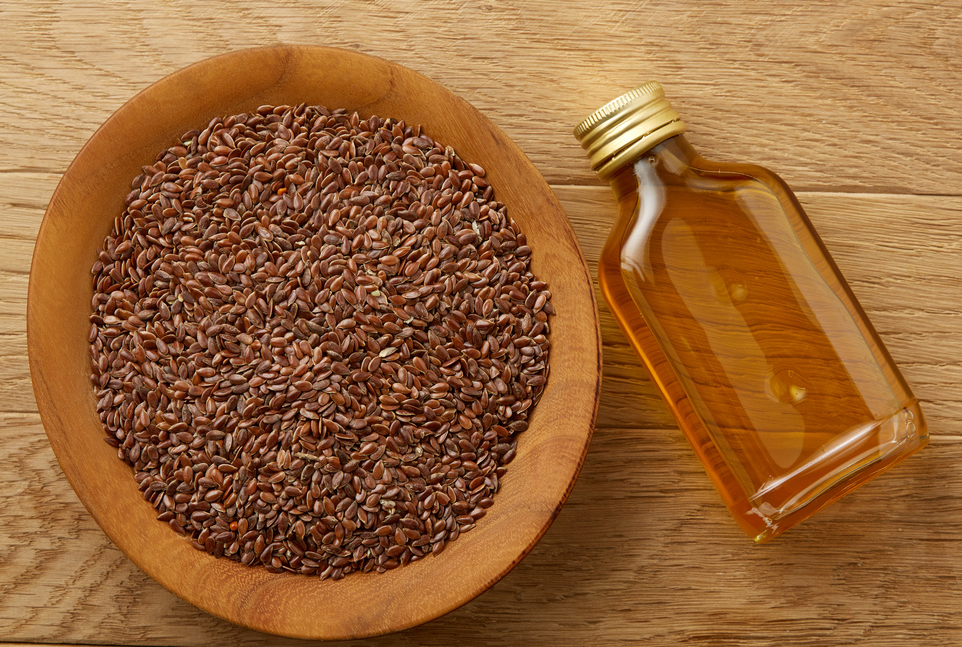
Many health enthusiasts mistakenly assume all vegetable oils work for stovetop cooking, but flaxseed oil has unique chemical properties that set it apart
In this science-backed guide aligned with Google EEAT health standards, we break down exactly what happens when flaxseed oil is heated, answer whether is flaxseed oil good for cooking, clarify its official smoke point, and share safe, nutrient-preserving usage methods. We also reference peer-reviewed nutritional research to eliminate common myths around heat exposure and nutrient loss.
What Is Flaxseed Oil?
Flaxseed oil is a pure edible oil extracted from dried flax seeds, most commonly produced through cold pressing. Unlike refined cooking oils that undergo high-heat processing and chemical filtering, cold pressed flaxseed oil is manufactured at low temperatures to protect fragile fatty acid structures and preserve full nutritional potency.
Its greatest nutritional asset is its high volume of Alpha-linolenic acid (ALA), an essential plant-based omega-3 fatty acid that human bodies cannot synthesize independently. Research published in PMC nutritional studies confirms ALA may support balanced inflammatory response, cellular health, and overall dietary nutrient diversity as part of a balanced diet .
Beyond internal wellness, consistent flaxseed oil intake supports cosmetic health, including key flax seed oil benefits for hair and skin vitality. For a full breakdown of systemic advantages, readers can explore our detailed guide covering core flaxseed oil benefits. Those combining multiple fatty acid supplements can learn safe pairing protocols in our article explaining can you take flaxseed oil and fish oil together for optimized omega-3 intake.
Can You Heat Flaxseed Oil?
The direct, research-backed answer to “can you heat flaxseed oil” is nuanced: mild, low-temperature warming is technically possible, but intentional high-heat cooking is strongly discouraged.
Flaxseed oil is composed primarily of polyunsaturated fatty acids, which are far more thermally fragile than monounsaturated or saturated fats found in traditional cooking oils. Unlike heat-stable oils designed for stovetop use, flaxseed oil’s delicate molecular structure makes it highly susceptible to oxidative damage when exposed to sustained heat .
For practical daily use, health authorities and nutrition researchers universally recommend using flaxseed oil as a cold-use supplement rather than a cooking oil. While brief, gentle warming will not create harmful compounds, it may reduce nutritional quality and shorten shelf life over time.
What Happens When Flaxseed Oil Is Heated?
Heating flaxseed oil triggers gradual chemical changes that alter its nutritional profile, flavor, and stability. Importantly, heated flaxseed oil is not toxic or dangerous for short-term consumption, but it loses the core benefits that make it a premium wellness oil. Three key changes occur with heat exposure:
1. Omega-3 Fatty Acids May Become Less Stable
ALA omega-3 molecules are highly sensitive to thermal stress. Sustained heat breaks down their molecular structure, destabilizing the fatty acids that define flaxseed oil’s nutritional value. Research suggests elevated temperatures increase oxidative stress within the oil, reducing its functional dietary benefits .
2. Overall Nutritional Quality May Decrease
Cold pressing preserves natural antioxidants and nutrient cofactors alongside ALA. Heat exposure depletes these protective compounds, lowering the oil’s overall nutritional density. The longer the oil is heated, the more significant the nutrient degradation becomes.
3. Flavor and Freshness May Deteriorate
Fresh flaxseed oil has a mild, nutty taste. Heat exposure accelerates early oxidation, creating stale, bitter off-flavors and reducing the oil’s natural freshness. Heated flaxseed oil also expires faster after opening due to pre-oxidative damage.
Does Heating Flaxseed Oil Destroy Nutrients?
A common consumer question is: “does heating flaxseed oil destroy nutrients entirely?” The simple answer is no — mild heating does not eliminate all nutrients, but it significantly diminishes omega-3 potency and antioxidant value.
High-temperature cooking near or above the smoke point causes substantial ALA degradation, while brief, low-grade warming only creates minor nutrient loss. This tiered effect means cooking methods directly determine nutritional retention. Cold application remains the only way to preserve nearly 100% of flaxseed oil’s flaxseed oil omega 3 content .
For users prioritizing maximum omega-3 benefits, heat exposure of any kind is unnecessary. All of flaxseed oil’s unique wellness advantages are optimized when consumed in its raw, cold-pressed state.
Can You Cook With Flaxseed Oil?
When evaluating “can you cook with flaxseed oil”, nutrition experts draw a clear line between acceptable finishing use and traditional cooking use.
Not recommended for high-heat cooking: Frying, deep frying, sautéing, baking, or any method requiring sustained high heat is unsuitable for flaxseed oil. These practices rapidly degrade omega-3s and compromise oil stability.
Safe for post-cooking finishing: Flaxseed oil can be safely added to cooked meals after heat exposure ends. Drizzling over warm grains, roasted vegetables, or soups adds nutritional value without thermal damage.
For everyday cooking needs, stable alternatives like olive oil or avocado oil are far more practical. Reserve flaxseed oil for cold, nutrient-focused applications to fully leverage its unique plant-based omega-3 benefits. You can explore creative no-heat meal ideas in our curated flaxseed oil recipes collection.
Flaxseed Oil Smoke Point Explained
An oil’s smoke point is the temperature at which it begins to emit visible smoke, indicating thermal breakdown and oxidative damage. Flaxseed oil smoke point is exceptionally low compared to standard cooking oils, measuring approximately 225°F (107°C) according to nutritional testing data from Colorado State University and the National Kidney Foundation .
This low smoke point confirms why flaxseed oil is not engineered for stovetop use. Most basic cooking temperatures exceed 225°F, meaning even gentle pan heating pushes flaxseed oil past its stable thermal threshold. Once an oil reaches its smoke point, fatty acid structure breaks down rapidly, and nutritional value declines sharply .
Unlike refined cooking oils designed for heat resistance, cold-pressed flaxseed oil prioritizes nutrient preservation over thermal stability — a deliberate tradeoff for maximum omega-3 content.
To protect full omega-3 potency and freshness, stick to these science-backed cold-use methods that require no heat:
Best Ways To Use Flaxseed Oil Without Heating
Blend into smoothies: Stir a small daily serving into fruit or green smoothies for effortless omega-3 supplementation with zero flavor disruption.
Homemade cold salad dressing: Mix with lemon juice, balsamic vinegar, and herbs to create nutrient-dense dressings that replace processed store-bought versions.
Finish warm dishes after cooling: Drizzle over cooked oatmeal, quinoa, roasted veggies, or soups once temperatures drop below warm steaming levels.
Top yogurt or chilled bowls: Add to unsweetened yogurt, chia pudding, or cold breakfast bowls for enhanced satiety and fatty acid support.
Flaxseed Oil vs Cooking Oils
This objective comparison clarifies why flaxseed oil serves a completely different dietary role than traditional cooking oils:
Flaxseed Oil: Ultra-high ALA omega-3 content, very low smoke point, poor heat stability, best for cold nutritional supplementation.
Olive Oil: High monounsaturated fats, moderate smoke point, stable for low-to-medium heat cooking, minimal omega-3 content.
Avocado Oil: High smoke point, excellent heat stability, neutral flavor, ideal for high-heat cooking, low omega-3 levels.
Coconut Oil: High saturated fat, moderate smoke point, stable for baking and light frying, no meaningful omega-3 nutrition.
In short: Use flaxseed oil for unique plant-based omega-3 nutrition, and use traditional cooking oils for all stovetop meal preparation.
How To Store Flaxseed Oil
Proper storage prevents oxidation and preserves omega-3 quality far beyond typical shelf life, complementing no-heat usage habits:
Refrigerate after opening: Consistent cold temperatures slow oxidative breakdown significantly.
Avoid light exposure: Always store in dark amber bottles and keep away from windows or bright kitchen lighting.
Seal tightly after every use: Minimize air contact to prevent premature rancidity.
Check freshness regularly: Discard oil with bitter, stale, or off odors, as this indicates oxidation.
FAQs
Q1: Can you heat flaxseed oil? Mild low-temperature warming is technically possible but not recommended. High heat damages omega-3 nutrients and compromises oil stability.
Q2: Can flaxseed oil be used for frying? No, flaxseed oil’s low smoke point makes it unsuitable for frying, sautéing, or any high-heat cooking method.
Q3: Does heating flaxseed oil destroy omega-3? High heat significantly reduces ALA omega-3 potency, while mild warming causes minor nutrient loss. Cold use preserves maximum fatty acid value.
Q4: What is the best way to consume flaxseed oil? Cold applications including smoothies, salad dressings, and post-cooking finishing drizzles are ideal for full nutrient retention.
Q5: Can I add flaxseed oil to hot food? It is best to wait until hot food cools to a warm temperature to avoid thermal nutrient damage.
Conclusion
Flaxseed oil is one of the most valuable sources of plant-based ALA omega-3 available for daily dietary use, offering unique nutritional benefits that support long-term wellness. However, its delicate fatty acid structure and low smoke point make it unsuitable for traditional high-heat cooking.
Heating flaxseed oil does not create toxic compounds, but it may reduce nutritional quality, degrade omega-3 content, and accelerate oxidation. For maximum value, flaxseed oil should be reserved for cold use and post-cooking finishing, while heat-stable oils handle all stovetop preparation. By understanding its unique properties, consumers can maximize flaxseed oil’s benefits while avoiding common usage mistakes.
References
1. Colorado State University. Cooking with Fats and Oils: Can they withstand the heat? (2025). Confirms flaxseed oil smoke point and heat instability.
2. National Kidney Foundation. Cooking Oils: Test Your Oil IQ (2018). Validates cold-use best practices for flaxseed oil.
3. PMC Nutrition Research. Dietary flaxseed: Cardiometabolic benefits and its role in healthy aging (2025). Details ALA omega-3 stability and oxidative sensitivity.

Alex Wang
He researches nutritional information and creates educational content to help consumers better understand healthy fats, omega-3s, and food choices.