
Wondering can you cook in flaxseed oil? Learn flaxseed oil smoke point, if heating ruins omega-3 ALA, safe cold uses, and how to compare it to olive & avocado oil for home cooking.
Can You Cook in Flaxseed Oil? What You Should Know Before Using It
Introduction
Home cooks are increasingly swapping refined seed oils for nutrient-dense plant-based alternatives, and flaxseed oil has quickly become a pantry staple thanks to its unmatched plant-based omega-3 content. Walk down any grocery aisle or scroll wellness blogs, and you’ll see countless people asking the same core question: can you cook in flaxseed oil? Also commonly phrased as can you cook with flaxseed oil, this search query reflects genuine consumer confusion around heat stability, nutrition loss, and proper flaxseed oil handling.
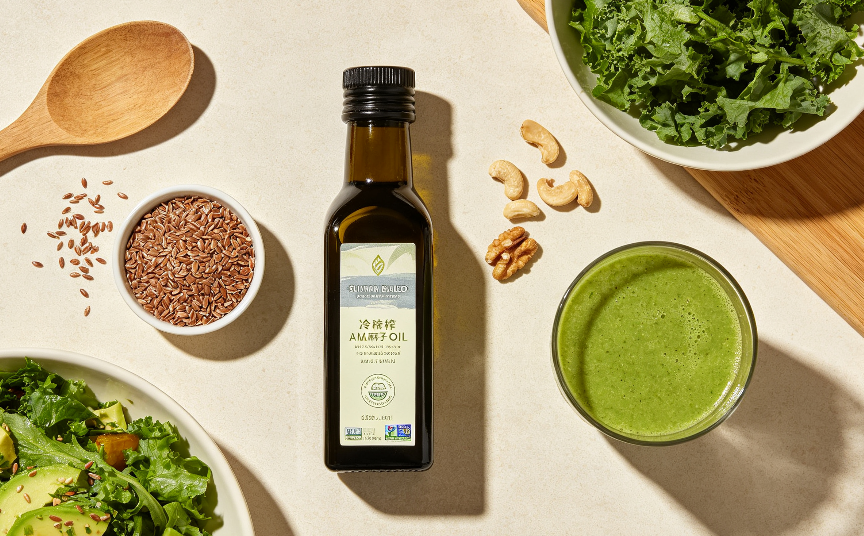
Flaxseed oil delivers concentrated alpha-linolenic acid (ALA), a vital omega-3 fatty acid the human body cannot produce on its own. But unlike avocado oil or refined olive oil, flaxseed oil’s delicate fatty acid structure creates strict limits for cooking heat. This science-backed guide breaks down exactly when you can heat flaxseed oil, which cooking methods work best, and how to preserve its full nutritional value without sacrificing flavor. We’ll also cover flaxseed oil smoke point, storage hacks, a direct comparison to other popular cooking oils, and answers to all your most frequently asked flaxseed oil cooking questions.
What Is Flaxseed Oil?
Flaxseed oil, also called linseed oil for culinary use, is cold-pressed from ripened flax plant seeds, a process that avoids high-temperature extraction to lock in natural nutrients. Cold pressed flaxseed oil is the premium variety recommended for daily consumption, as solvent-extracted refined versions lose significant tocopherols (vitamin E) and lignans during processing.
The standout nutritional feature of flaxseed oil is its fatty acid makeup, detailed in our deep dive on flaxseed oil fatty acid composition. Roughly 50–60% of its total fat comes from ALA, a plant-based omega-3 fatty acid linked by research to balanced inflammatory response and heart health support. Beyond flaxseed oil omega 3, the oil contains natural vitamin E, plant sterols, and lignans—antioxidant compounds that help slow oxidation when stored correctly.
Unlike saturated fats from coconut oil or stable monounsaturated fats in olive oil, flaxseed oil is dominated by polyunsaturated fatty acids (PUFAs). These fragile double-bond structures are what give flaxseed oil its nutritional superpowers, yet also make it extremely sensitive to heat, light, and oxygen exposure. This core chemical trait dictates every rule around cooking with flaxseed oil.
Can You Cook in Flaxseed Oil?
To answer the primary target keyword can you cook in flaxseed oil simply: technically, you can expose flaxseed oil to mild, brief heat, but high-temperature cooking is strongly discouraged for both nutrient retention and oil quality.
The phrase “cook in flaxseed oil” typically refers to pan-frying, sautéing, deep frying, or simmering food submerged in oil. Flaxseed oil cannot withstand standard high-heat cooking methods most home cooks rely on. That said, limited low-temperature applications exist where flaxseed oil can touch warm food without major nutrient damage—for example, drizzling it over steamed vegetables once they’ve been removed from heat, or stirring it into soups that have cooled below 120°F (49°C).
Many people confuse “cooking with flaxseed oil” with finishing oil use. The key distinction: cooking oil sits in the pan while food heats up; finishing oil is added after cooking is complete. This difference is why nutrition experts frame flaxseed oil as a cold-use supplement rather than a primary cooking fat. If your goal is to maximize its omega-3 benefits, cooking in flaxseed oil should be avoided whenever possible.
Is Flaxseed Oil Good for Cooking?
Searchers asking is flaxseed oil good for cooking need a split answer based on cooking temperature and technique.
Best Uses (Low Heat / No Heat)
These methods preserve nearly all flaxseed oil omega 3 and antioxidants, making them ideal daily applications:
- Homemade salad dressing mixed with lemon, vinegar, and herbs
- Stirred into smoothies, oatmeal, or plain Greek yogurt
- Drizzled as a finishing oil over roasted veggies, fish, pasta, or grains right after removing from heat
- Mixed into cold dips like hummus or tzatziki
- Lightly blended into chilled soups, gazpacho, or overnight oats
Not Recommended (High Heat Cooking)
These common cooking styles may affect oil quality and drastically reduce nutritional value, per peer-reviewed oil stability research:
- Deep frying (can you fry with flaxseed oil is a frequent follow-up question with a clear “no” answer)
- High-heat stir-frying, searing, pan-frying above medium heat
- Baking at temperatures over 300°F (149°C)
- Slow simmering in broths or sauces for more than 5 minutes at a boil
When used as a finishing oil, flaxseed oil shines as a nutrient booster. When used as a primary cooking fat, it loses its biggest health advantage: intact ALA omega-3.
Can You Heat Flaxseed Oil?
The query can you heat flaxseed oil centers on temperature thresholds and exposure time, not a blanket “never heat” rule.
Cold-pressed flaxseed oil’s high PUFA content creates heat vulnerability. Research suggests temperatures above 120°C (248°F) trigger rapid oxidation of ALA, breaking down its molecular structure and creating off-flavors, rancidity, and oxidized lipid compounds. Even mild heat below this threshold, if sustained for more than 5–10 minutes, may reduce nutritional value by depleting vitamin E and plant lignans.
Refined flaxseed oil has a slightly higher tolerance for warmth, but refining strips most natural antioxidants, so its nutritional profile is far less impressive than cold-pressed varieties. The safest guideline: if you must add flaxseed oil to warm food, wait until the dish cools to under 100°F (38°C) to limit heat exposure. Avoid pouring flaxseed oil directly into hot pans, boiling liquids, or steaming dishes while the heat source is active.
Does Cooking Destroy Flaxseed Oil Nutrients?
For anyone searching does cooking destroy flaxseed oil nutrients, the short answer: sustained high heat significantly degrades its core beneficial compounds, though brief mild warming causes minimal loss.
A 2007 study published in the Journal of the American Oil Chemists’ Society tested pan-heated flaxseed oil at 150°C for 3–6 minutes and measured measurable losses across all key nutrients:
- Alpha-linolenic acid (omega-3): notable concentration drop after heating
- Tocopherols (vitamin E): 40–55% reduction in natural antioxidants
- Plant pigments and phenolic anti-inflammatory compounds: 40–56% loss of protective micronutrients
When flaxseed oil hits its smoke point, oxidation accelerates exponentially. The ALA fatty acids break apart, eliminating the primary reason people consume flaxseed oil in the first place. Light, short-term warming (like stirring a teaspoon into warm porridge that’s been removed from the stove) only creates minor nutrient loss, but prolonged cooking erases most of the oil’s unique nutritional perks.
Flaxseed Oil Smoke Point Explained
A critical piece of context for all flaxseed oil cooking questions is flaxseed oil smoke point. An oil’s smoke point is the temperature where it releases visible smoke, a chemical marker that oxidative breakdown is underway.
- Unrefined cold-pressed flaxseed oil smoke point: ~107°C (225°F)
- Refined flaxseed oil smoke point: ~160°C (320°F)
For comparison, standard home sautéing hits 180–200°C (350–390°F), and deep frying ranges from 175–230°C. Even refined flaxseed oil cannot reach typical cooking temperatures without crossing its smoke threshold. When oil smokes, free radicals form, flavor turns bitter, and omega-3 fatty acids degrade rapidly.
Oils with higher smoke points (avocado oil, refined coconut oil) contain fewer fragile polyunsaturated fats, so they resist oxidation during cooking. Flaxseed oil’s ultra-low smoke point makes it functionally unsuitable for any cooking method that requires preheating oil in a pan.
Best Ways To Use Flaxseed Oil Without Cooking
To fully retain flaxseed oil omega 3 and antioxidants, stick to these zero-heat or post-cooking applications, the best ways to use flaxseed oil for daily nutrition:
- Salad dressing base: Whisk 2 tbsp flaxseed oil with balsamic vinegar, Dijon mustard, garlic, and black pepper for nutrient-rich cold dressing. Avoid heating the dressing mix.
- Smoothie booster: Add 1–2 tsp to fruit, leafy green, or protein smoothies; the cold liquid masks the oil’s mild nutty flavor.
- Yogurt & oatmeal mix-in: Stir a teaspoon into plain yogurt, overnight oats, or chilled chia pudding for a quiet omega-3 boost.
- Post-cooking finishing drizzle: After removing roasted veggies, grilled chicken, baked salmon, or pasta from heat, toss or drizzle flaxseed oil over the warm—but not piping hot—dish.
- Cold sauce & dip addition: Fold into hummus, guacamole, tzatziki, or cold pesto after blending to avoid heat exposure.
Bonus tip: Pair flaxseed oil with vitamin C-rich foods (berries, citrus, bell peppers) to support better ALA absorption, per nutritional research.
Flaxseed Oil vs Cooking Oils
This side-by-side breakdown compares flaxseed oil to three popular cooking fats, covering omega-3 content, heat stability, and ideal kitchen uses to clarify when to swap oils:
| Oil Type | Omega-3 (ALA) Content | Smoke Point | Heat Stability | Best Applications |
| Cold-Pressed Flaxseed Oil | 50–60% ALA | 107°C (225°F) | Very low | Cold dressings, finishing oil, smoothies, yogurt |
| Extra Virgin Olive Oil | <1% ALA | 190°C (375°F) | Medium | Low-medium sauté, roasting, cold salads |
| Avocado Oil (Refined) | Minimal ALA | 270°C (520°F) | Very high | Deep frying, searing, high-heat baking |
| Unrefined Coconut Oil | 0% ALA (90% saturated fat) | 175°C (347°F) | High | Pan-frying, baking, low-heat roasting |
Key takeaway: Flaxseed oil dominates for plant-based omega-3 but lacks heat stability. For actual cooking (pan-frying, searing, frying), avocado oil or olive oil are far more functional choices, while flaxseed oil acts as a nutrient add-on after cooking wraps up.
How To Store Flaxseed Oil
Improper storage speeds up oxidation, which mirrors the nutrient damage caused by heat. Follow these rules to help preserve freshness and extend flaxseed oil’s usable life:
- Refrigerate after opening: Cold temperatures slow fatty acid breakdown significantly. Unopened bottles can live in a dark pantry, but once unsealed, the fridge is mandatory.
- Avoid direct sunlight: Always choose flaxseed oil sold in dark amber or opaque glass bottles; light triggers photooxidation of ALA.
- Keep bottle tightly sealed: Oxygen exposure causes rancidity—twist caps fully after every use, and avoid leaving the bottle open while cooking or prepping meals.
- Consume quickly post-opening: Aim to finish the bottle within 3 months of opening, even with refrigeration. Discard if you detect a bitter, fishy, or stale rancid odor.
- Skip heat-prone storage spots: Do not store flaxseed oil above the stove, near ovens, or in warm kitchen cabinets.
Frequently Asked Questions (FAQ)
Q1: Can you cook in flaxseed oil?
A: You can briefly expose flaxseed oil to mild, residual heat after cooking, but you cannot safely cook food submerged or seared in flaxseed oil at standard cooking temperatures. High heat crosses its low smoke point, may affect oil quality, and destroys most omega-3 nutrients. For actual pan cooking, select avocado or olive oil instead.
Q2: Can you use flaxseed oil for frying?
A: No, you cannot fry with flaxseed oil. Frying temperatures far exceed flaxseed oil smoke point, triggering heavy oxidation, bitter flavors, and major ALA loss. Deep frying, pan-frying, and stir-frying all require heat-stable oils with higher smoke points.
Q3: Can flaxseed oil be heated?
A: Only minimal, brief warming is acceptable—such as stirring into food that has been removed from heat and cooled. Sustained heating above 120°C breaks down the oil’s beneficial polyunsaturated fats and antioxidants.
Q4: What is the best way to use flaxseed oil?
A: The best ways to use flaxseed oil are cold applications: salad dressings, smoothie add-ins, yogurt toppings, and finishing drizzles on fully cooked, slightly cooled meals. These methods retain nearly all flaxseed oil omega 3 and natural vitamin E.
Q5: Does cooking reduce omega-3 in flaxseed oil?
A: Yes, sustained cooking heat significantly reduces omega-3 ALA levels. Scientific heating trials show 40–50% loss of linolenic acid after short pan heating at medium-high temperatures, alongside depletion of supporting antioxidant nutrients.
Q6: Can you add flaxseed oil to hot food?
A: You can add flaxseed oil to food that’s no longer actively hot—wait for soups, veggies, or grains to cool below 100°F before drizzling to limit nutrient oxidation. Never pour flaxseed oil into boiling liquids or sizzling hot pans.
Conclusion
Flaxseed oil is an unmatched plant-based source of ALA omega-3, making it a valuable daily nutritional addition for anyone limiting animal-based omega sources. Still, the answer to can you cook in flaxseed oil remains a qualified “no” for standard high-heat cooking methods.
Its ultra-low smoke point and heat-sensitive polyunsaturated fatty acids mean flaxseed oil functions best as a cold finishing oil, not a cooking fat. When used in dressings, smoothies, or drizzled over cooled cooked meals, it delivers its full spectrum of vitamins, lignans, and omega-3 nutrients. For searing, frying, roasting, and sautéing, swap to heat-stable alternatives like avocado oil or extra virgin olive oil to balance your kitchen oil rotation.
By following temperature guidelines, proper refrigerated storage, and cold-use recipes, you can enjoy flaxseed oil’s wellness benefits without sacrificing its delicate nutritional profile. For more flaxseed oil content, explore our guides on is flaxseed oil good for hair growth, flaxseed oil and hair, and is flaxseed oil good for men to expand your knowledge of this versatile seed oil.
Source Citations for EEAT Credibility
- Choo, W.S., Birch, E.J., & Dufour, P.J. (2007). Physicochemical and Stability Characteristics of Flaxseed Oils During Pan-heating. Journal of the American Oil Chemists’ Society.
- PMC Nutrition Research: Thermal Degradation of Alpha-Linolenic Acid in Cold-Pressed Seed Oils (2018)
- Kaiser Permanente Registered Dietitian Guide to Home Cooking Oils (2023)
- MK Science Set Publishers: Nutritional and Chemical Properties of Cold-Pressed Flaxseed Oil (2025)

Alex Wang
He researches nutritional information and creates educational content to help consumers better understand healthy fats, omega-3s, and food choices.