
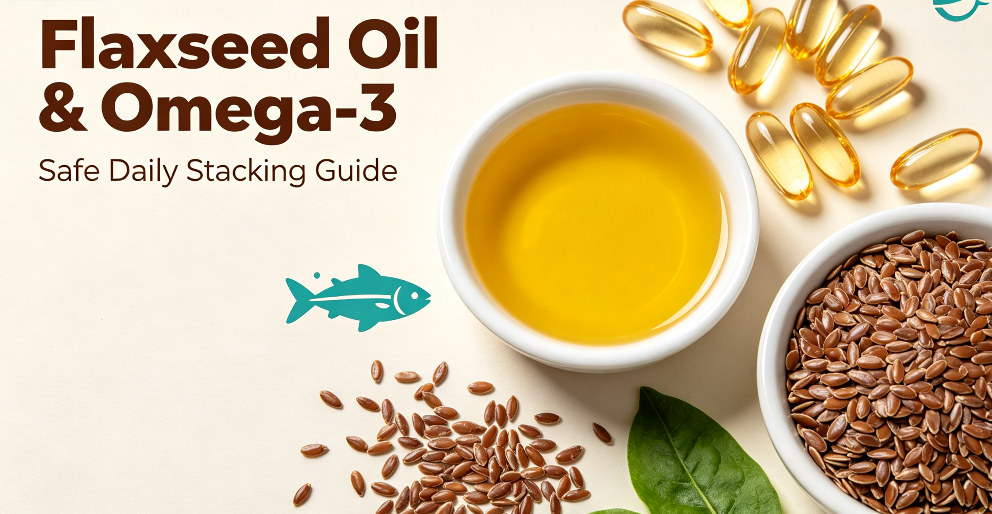
Many health-focused consumers stack multiple supplements to boost their daily nutrient intake, especially when prioritizing heart health, skin wellness, and long-term bodily balance. A top trending question for plant-based and traditional supplement users alike is: can you take flaxseed oil and omega 3 together safely every day?
At first glance, the combination may seem redundant, since oil from flax is already well known for its high plant-based omega-3 content. However, many people still take additional omega-3 supplements, such as fish oil or algae-based DHA/EPA capsules, to diversify their fatty acid intake.
The short, science-backed answer is yes — healthy adults can safely take flaxseed oil and omega-3 supplements together in moderate, controlled doses. When used mindfully, this combination may support more balanced fatty acid profiles and full-body wellness, though over-consumption may lead to unnecessary excess calories and nutrient overlap.
Understanding the Relationship Between Flaxseed Oil and Omega 3
To understand whether stacking these supplements makes sense, it is important to clarify what each source of omega-3 provides. Oil from flax is the richest whole-food source of ALA (alpha-linolenic acid), a plant-based essential omega-3 fatty acid. ALA is considered foundational because the human body relies on dietary intake to maintain healthy fatty acid balance.
Most standalone “omega 3” supplements on the market primarily contain EPA and DHA, the animal or algae-based omega-3 variants commonly sourced from fish or marine algae.
This difference is critical: Flaxseed oil delivers ALA, while typical omega-3 supplements deliver DHA and EPA. They are not identical, which means combining them can offer a broader spectrum of fatty acid support, rather than simple duplication.
Is It Safe to Take Flaxseed Oil and Omega 3 Supplements Together?
For healthy adults, combining flaxseed oil with additional omega-3 supplements is considered safe for daily use. There are no dangerous chemical interactions or conflicting absorption issues between ALA, DHA, and EPA.
That said, safety depends entirely on total daily omega-3 volume. Excessive overall fatty acid intake may lead to mild digestive discomfort, excess caloric intake, or increased bleeding tendency in sensitive individuals.
For most users, moderate stacking simply increases overall polyunsaturated fat intake, which may help maintain healthier inflammatory balance and cardiovascular wellness — when kept within reasonable daily limits.
Why People Combine Flaxseed Oil and Additional Omega 3
Many users choose to stack these two supplements intentionally for more well-rounded nutrition. While oil from flax provides superior plant-based ALA, the human body’s conversion rate from ALA to active DHA and EPA is naturally low.
By adding a small dose of DHA/EPA omega-3 alongside flaxseed oil, users can:
- Support a full-spectrum omega-3 fatty acid profile
- Maintain better systemic inflammatory balance
- Support consistent skin, eye, and cellular wellness
- Complement plant-based diets that lack marine omega-3 sources
This stack is especially popular among vegan, vegetarian, and plant-forward users who rely heavily on oil from flax for their omega-3 needs.
Flaxseed Oil Benefits for Male When Stacked With Omega 3
Stacking flaxseed oil with omega-3 supplements enhances flaxseed oil benefits for male wellness in several subtle but effective ways.
Men’s dietary patterns often create imbalanced omega-6 to omega-3 ratios, which over time may contribute to persistent low-grade inflammation. The ALA in oil from flax helps shift this balance, while additional DHA/EPA omega-3 further supports cardiovascular wellness and healthy lipid levels.
This combination may also help maintain steady energy metabolism and support comfortable post-exercise recovery. For men looking for simple, sustainable daily wellness support without harsh synthetic supplements, this fatty acid stack offers gentle, long-term benefits.
Flaxseed Oil Benefits for Female With Additional Omega 3
Women seeking natural beauty and hormonal balance can maximize flaxseed oil benefits for female wellness by pairing flaxseed oil with omega-3 supplementation.
Omega-3 fatty acids are foundational for skin barrier strength, hydration retention, and soft skin texture. Oil from flax delivers ALA to support skin and cellular health, while DHA/EPA omega-3 further helps maintain smooth, balanced skin and consistent inflammatory comfort throughout hormonal fluctuations.
Many women notice improved skin resilience and fewer dry-texture issues after consistently stacking these two omega-3 sources. It serves as a gentle internal nutrition routine that complements external skincare habits.
Flaxseed Oil and Hair Growth: Boosted Fatty Acid Support
One of the most popular reasons users combine these supplements is to enhance results for flaxseed oil and hair growth.
Healthy hair growth depends heavily on scalp circulation, follicle nutrition, and balanced inflammation. ALA from oil from flax nourishes scalp tissue and reduces dryness, while additional DHA/EPA omega-3 further supports cellular health in hair follicles.
While this stack cannot change genetic hair growth patterns or reverse hair loss, consistent use may help reduce breakage, improve hair elasticity, and support thicker, healthier-looking hair over time by optimizing internal nutrient availability.
How Much Flaxseed Oil Per Day When Taking Omega 3? (Safe Dosage)
If you are stacking supplements, it is critical to adjust your routine and understand how much flaxseed oil per day remains safe to avoid fatty acid overload.
Recommended adjusted dosage for omega-3 stack users:
- Daily maintenance dose: 1 teaspoon of cold-pressedoil from flax
- Maximum daily dose: Do not exceed 1 teaspoon when already taking fish oil, algae oil, or omega-3 capsules
When you are already consuming concentrated omega-3 supplements, a full 1-tablespoon flaxseed oil dose may lead to excessive fat intake, potentially causing bloating, loose stools, or unnecessary calorie surplus.
If you take no additional omega-3 supplements, the standard 1-tablespoon daily flaxseed oil dose remains appropriate.
Common Mistakes When Stacking These Supplements
Many new users make simple avoidable errors when combining flaxseed oil and omega-3 supplements:
- Taking full maximum doses of both supplements at once
- Using heat-processed flaxseed oil, which loses active ALA omega-3 value
- Taking high doses before surgery or while on blood thinners
- Ignoring total daily fat and calorie intake
Avoiding these mistakes ensures the stack remains beneficial rather than counterproductive.
Who Should Avoid Combining Flaxseed Oil and Omega 3?
While safe for most healthy adults, certain groups should avoid stacking or consult a doctor first:
- Individuals taking blood-thinning medications
- People with bleeding disorders or upcoming surgery
- Those with sensitive digestive systems or chronic gut conditions
- Pregnant or breastfeeding individuals (doctor consultation recommended)
Final Verdict: Can You Take Flaxseed Oil and Omega 3 Together?
To answer the primary search question clearly: yes, you can take flaxseed oil and omega 3 together safely with proper dosage control.
This combination provides a unique dual omega-3 spectrum: plant-based ALA from oil from flax plus DHA/EPA from supplemental omega-3 sources. When dosed correctly, it enhances flaxseed oil benefits for male cardiovascular and metabolic support,flaxseed oil benefits for female skin and wellness balance, and long-term results for flaxseed oil and hair growth.
The key rule is moderation — always lower your flaxseed oil serving and follow adjusted guidance for how much flaxseed oil per day when stacking with additional omega-3 supplements to keep your daily routine safe, balanced, and effective.

Alex Wang
He researches nutritional information and creates educational content to help consumers better understand healthy fats, omega-3s, and food choices.