
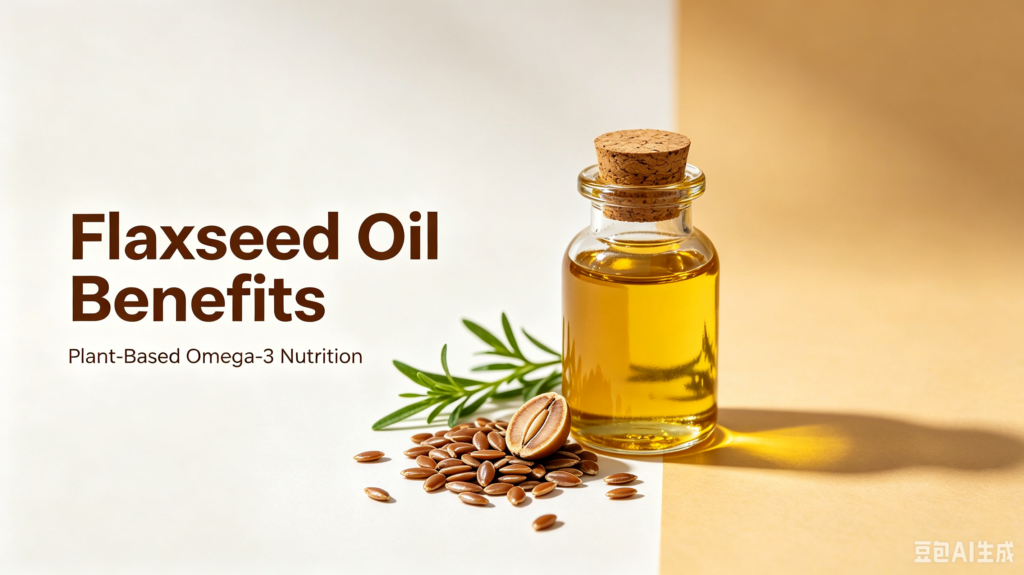
As more people shift toward clean, plant-forward eating patterns, functional cooking and supplement oils have become staples of everyday wellness routines. Among the most popular nutritional plant oils on the market today is flaxseed oil, a cold-pressed oil celebrated for its exceptional omega-3 fatty acid content and diverse nutritional profile.
Derived from tiny flax seeds, flaxseed oil has been used in traditional diets for centuries, but modern nutritional research has shed new light on how this simple plant oil fits into a balanced lifestyle. Unlike many refined vegetable oils that offer minimal nutritional value, flaxseed oil is packed with essential fats and natural compounds that may support multiple bodily functions.
One of its greatest strengths is serving as a reliable plant-based omega-3 source, filling a key nutritional gap for vegetarians, vegans, and anyone looking to reduce their seafood intake. This guide breaks down evidence-based flaxseed oil benefits, core nutrition facts, practical usage methods, safety guidelines, and common user questions to help you incorporate this nutrient-dense oil into your daily diet safely and effectively.
What Is Flaxseed Oil?
Flaxseed oil, also commonly referred to as linseed oil in some regions, is a natural vegetable oil extracted from the seeds of the flax plant (Linum usitatissimum), a fibrous crop grown worldwide for its culinary and industrial uses. For nutritional and wellness purposes, only food-grade, cold-pressed flaxseed oil is recommended, as processing methods heavily impact its quality and nutrient retention.
Premium flaxseed oil is produced through a cold-pressing process, which avoids high heat, chemical solvents, or refining procedures. High heat and chemical processing can degrade fragile essential fatty acids, stripping the oil of its core nutritional benefits. Cold pressing preserves the oil’s natural nutrients, fresh nutty flavor, and light golden hue, making it ideal for dietary use.
The production process for high-quality flaxseed oil is straightforward and focused on purity. Ripe flax seeds are cleaned to remove debris, then gently pressed at low temperatures to extract raw oil. The final product is typically filtered to remove fine seed particles without undergoing bleaching or deodorizing. This minimal processing ensures the oil retains its full spectrum of natural nutrients, setting it apart from refined cooking oils that offer little to no functional nutrition.
Flaxseed Oil Nutrition Facts
The widespread popularity of flaxseed oil stems directly from its impressive nutritional profile. It is best known as a top dietary source of plant-based omega-3 fatty acids, paired with a balanced blend of healthy unsaturated fats and natural plant compounds. Below are the key nutritional components that make flaxseed oil a valuable addition to daily wellness diets.
1. Alpha-Linolenic Acid (ALA)
Alpha-linolenic acid (ALA) is the star nutrient in flaxseed oil, an essential omega-3 fatty acid that the human body cannot produce on its own, meaning it must be obtained through food. Flaxseed oil is one of the most concentrated natural sources of ALA available in plant-based diets.
ALA plays foundational roles in human nutrition. It may support healthy lipid metabolism, assist in maintaining cellular function, and act as a building block for other fatty acids the body needs. For individuals who do not consume fish or fish-based products, ALA from flaxseed oil serves as a primary omega-3 source to support consistent nutritional balance.
2. Unsaturated Healthy Fats
Unlike saturated fats found in animal products and some processed oils, the fats in flaxseed oil are predominantly unsaturated, including monounsaturated and polyunsaturated fats. These fats are widely recognized as beneficial for supporting general bodily health when consumed as part of a low-processed, balanced diet.
Replacing refined oils high in saturated or trans fats with flaxseed oil may help users maintain a healthier dietary fat balance. Unsaturated fats support cellular membrane health, nutrient absorption, and consistent energy levels throughout the day, making flaxseed oil a smart swap for conventional cooking oils in cold applications.
3. Natural Plant Compounds
Beyond essential fatty acids, pure cold-pressed flaxseed oil contains trace natural plant compounds inherited from whole flax seeds. These compounds work alongside healthy fats to support overall nutritional diversity. While flaxseed oil is more concentrated in fats than whole flaxseeds, it still retains the subtle nutritional complexity that makes flax-based products a staple in clean eating regimens.
Top Benefits of Flaxseed Oil
The nutritional density of flaxseed oil translates to a range of lifestyle and wellness benefits. It is important to note that these benefits are diet-supportive rather than medicinal. Flaxseed oil does not treat, cure, or prevent any disease, but consistent, moderate use may enhance overall wellness as part of a healthy diet and active lifestyle.
1. May Support Heart Health
A diet rich in omega-3 fatty acids is widely associated with improved cardiovascular wellness, and flaxseed oil’s high ALA content makes it a heart-friendly dietary addition. Research suggests that ALA may help support healthy blood flow and maintain optimal cardiovascular function over time.
Many public health nutrition guidelines recommend increasing plant-based omega-3 intake to balance typical Western diets, which are often high in omega-6 fatty acids that can disrupt dietary fat ratios. By adding flaxseed oil to daily meals, users may support a more balanced fat intake that benefits long-term heart wellness.
2. May Help Maintain Healthy Cholesterol Levels
Dietary fat composition plays a key role in supporting healthy cholesterol balance. Studies focused on plant-based omega-3 sources suggest that consistent ALA intake from flaxseed oil may contribute to maintaining already healthy cholesterol levels in adults.
This benefit is closely tied to replacing unhealthy refined fats with nutrient-dense unsaturated fats. When used as a regular substitute for processed oils, flaxseed oil may support lipid profile balance as part of a calorie-controlled, nutrient-rich diet.
3. May Support a Healthy Inflammatory Response
Omega-3 fatty acids are well-documented for their role in supporting the body’s natural inflammatory response system. Everyday lifestyle factors, including stress, processed food intake, and sedentary routines, can disrupt inflammatory balance, and dietary omega-3s may help regulate this process.
Research indicates that ALA from flaxseed oil may help maintain balanced inflammatory function throughout the body, supporting post-activity recovery and general bodily comfort for active adults and everyday users alike.
4. May Enhance Skin Health and Hydration
Healthy skin relies heavily on essential fatty acids to maintain a strong skin barrier and proper moisture retention. The omega-3s in flaxseed oil may help support skin barrier function, locking in natural hydration and promoting a smooth, healthy-looking complexion.
Many users notice improved skin softness and reduced dryness after consistent dietary use of flaxseed oil. Because skin health is deeply connected to internal nutrition, adding this nutrient-dense oil to daily meals offers an internal approach to supporting long-term skin wellness.
5. May Support Healthy Hair and Scalp
Just like skin, hair and scalp health depend on consistent nutrient delivery from diet. The healthy fats in flaxseed oil may help nourish hair follicles from within, supporting stronger-looking hair and a balanced scalp environment.
ALA and unsaturated fats contribute to scalp moisture balance, which may reduce dry, flaky scalp discomfort and support consistent hair texture and shine. While results vary by individual diet and genetics, flaxseed oil serves as a simple nutritional addition to hair care routines focused on internal wellness.
6. Offers a Reliable Plant-Based Omega-3 Alternative
Most dietary omega-3 sources, including EPA and DHA, come exclusively from seafood and fish oil. This creates a nutritional gap for vegetarians, vegans, and people with seafood allergies or aversions. Flaxseed oil solves this gap by providing a pure, sustainable plant-based omega-3 source.
It is one of the most accessible, affordable ALA sources available, making consistent omega-3 intake easy for plant-forward eaters. Regular use helps plant-based dieters maintain balanced essential fatty acid levels without animal-derived supplements.
7. Supports Overall Daily Wellness
At its core, flaxseed oil is a nutrient-dense whole food addition that elevates overall dietary quality. Its balanced fat profile, natural nutrients, and functional omega-3 content work together to support general bodily wellness, energy metabolism, and nutritional balance.
For anyone following a clean-eating lifestyle, moderate flaxseed oil intake adds consistent nutritional value without excess processed ingredients, supporting long-term health maintenance and dietary variety.
Flaxseed Oil Benefits Compared With Fish Oil
A common consumer question is how flaxseed oil stacks up against fish oil, the most popular omega-3 supplement. Both offer valuable fatty acid support but serve distinct dietary needs, with key differences in nutrient type, source, and suitability for different eating lifestyles.
Flaxseed Oil
Flaxseed oil provides 100% plant-based ALA omega-3. It contains no EPA or DHA naturally, but the human body can convert a small portion of ALA into these fatty acids over time. It is vegan, vegetarian, kosher, and halal-friendly, with no risk of seafood contaminants or fishy aftertaste. It works best for long-term dietary omega-3 maintenance and general wellness support.
Fish Oil
Fish oil delivers direct marine-based EPA and DHA, the two omega-3 fatty acids most actively used by the human body. Conversion of ALA to EPA/DHA is limited, so fish oil offers more immediate concentrated EPA/DHA support. However, it is animal-derived, unsuitable for strict plant-based diets, and may cause fishy burps or aftertaste for some users.
Ultimately, the choice depends on individual diet preferences: flaxseed oil is the ideal sustainable, plant-friendly option for daily omega-3 support, while fish oil offers concentrated EPA/DHA for targeted nutritional needs.
How To Use Flaxseed Oil (Best Daily Applications)
Flaxseed oil has a low smoke point, meaning it cannot withstand high-heat cooking like frying, baking, or sautéing. High temperatures will destroy its fragile omega-3 fatty acids, oxidize the oil, and create unpleasant bitter flavors. For maximum nutritional benefits, flaxseed oil should only be used in cold or room-temperature applications.
Below are the most popular, effective ways to use cold-pressed flaxseed oil daily:
- Salad Dressings: Mix flaxseed oil with lemon juice, balsamic vinegar, garlic, and herbs to create a nutrient-rich homemade dressing for green salads, grain bowls, and roasted vegetable dishes.
- Smoothies & Shakes: Add one teaspoon to one tablespoon of flaxseed oil to fruit, vegetable, or protein smoothies. The mild nutty flavor blends easily and does not overpower sweet or creamy base ingredients.
- Yogurt & Oatmeal: Drizzle a small amount over plain Greek yogurt, overnight oats, or breakfast porridge to boost healthy fat content and add subtle nutty flavor.
- Cold Dish Finisher: Top chilled soups, pasta salads, quinoa bowls, and cold roasted veggies with flaxseed oil after cooking to preserve full nutrition.
For proper storage, flaxseed oil is sensitive to light, heat, and air oxidation. Always store it in a dark, cool refrigerator in an opaque bottle, and use it within the manufacturer’s recommended shelf life to avoid rancidity.
How Much Flaxseed Oil Should You Take Daily?
Daily flaxseed oil intake varies based on individual diet size, existing fat intake, and wellness goals. For average healthy adults, a standard moderate serving ranges from 1 teaspoon to 1 tablespoon per day.
If your diet already includes multiple sources of healthy fats such as avocados, nuts, olive oil, and fatty fish, sticking to the smaller 1-teaspoon serving is sufficient for consistent omega-3 support. Those following low-fat diets or plant-based meal plans with no seafood may opt for the full 1-tablespoon serving to meet ALA needs.
As with all dietary additions, individual tolerance varies. Beginners should start with a small serving and gradually increase to monitor bodily response. Anyone with underlying health conditions or taking regular medications should consult a healthcare provider to confirm suitable serving sizes.
Possible Side Effects and Safety Considerations
Flaxseed oil is considered safe for most healthy adults when consumed in moderate dietary amounts. However, excessive intake or improper use may lead to mild side effects, and certain user groups should exercise caution.
Digestive Discomfort
Too much flaxseed oil in a single serving may cause mild digestive issues, including bloating, gas, or loose stools. This is common with any high-fat food when consumed in excess. Starting with small servings and spreading intake throughout the day minimizes this risk.
Oxidation and Rancidity
Due to its high unsaturated fat content, flaxseed oil oxidizes quickly when exposed to heat, light, or open air. Rancid flaxseed oil loses nutritional value and may cause stomach upset. Always refrigerate after opening and discard if the oil develops a bitter, sour taste or unusual odor.
Temporary Nutrient Adjustment
Adding large amounts of flaxseed oil without adjusting overall dietary fat intake may lead to excess calorie consumption, which can impact weight management goals. Moderation is key for balanced nutritional benefits.
Who Should Be Careful With Flaxseed Oil?
While flaxseed oil is gentle and natural for most users, specific groups should consult a healthcare professional before regular use to avoid potential interactions or complications:
- People taking blood-thinning medications: Omega-3 fatty acids may support healthy blood flow, so individuals on anticoagulant medications should seek medical guidance to avoid potential interactions.
- Those preparing for surgery: To avoid any potential bleeding-related risks, users scheduled for surgical procedures are advised to pause regular flaxseed oil intake per their doctor’s instructions.
- Individuals with chronic digestive conditions: People with sensitive gut conditions may need to limit high-fat oil intake to prevent irritation.
- Pregnant or breastfeeding individuals: While flaxseed oil is natural, it is best to confirm safe serving sizes with a healthcare provider during pregnancy and lactation.
FAQs About Flaxseed Oil Benefits & Use
1. What are the main benefits of flaxseed oil?
The primary benefits of flaxseed oil stem from its high plant-based ALA omega-3 content. It may support heart wellness, healthy cholesterol balance, natural inflammatory response, skin and hair health, and overall dietary nutrition. It also serves as a key omega-3 source for plant-based eaters.
2. Is flaxseed oil good for heart health?
Yes, when used as part of a balanced diet. The ALA omega-3s in flaxseed oil may support cardiovascular wellness by balancing dietary fat ratios and supporting healthy blood lipid levels. It is a heart-healthy alternative to refined saturated oils.
3. Does flaxseed oil contain omega-3?
Absolutely. Flaxseed oil is one of the richest natural sources of ALA, a vital plant-based omega-3 fatty acid that the body cannot produce independently. It is the top vegan omega-3 oil available for daily dietary use.
4. Can flaxseed oil improve skin health?
Consistent dietary intake of flaxseed oil may support healthier skin by strengthening the skin barrier, locking in moisture, and nourishing skin cells with essential fatty acids. It helps reduce dryness and supports a balanced, glowing complexion over time.
5. Is flaxseed oil better than fish oil?
It depends on dietary needs. Flaxseed oil is the better choice for plant-based eaters, those avoiding seafood, or anyone seeking sustainable, zero-animal omega-3 support. Fish oil provides direct EPA and DHA, which offer more targeted marine omega-3 support. Both are effective for their respective use cases.
6. Can I take flaxseed oil every day?
Yes, daily moderate use is safe and beneficial for most healthy adults. Consistent small servings help maintain steady ALA intake and support long-term wellness. Always stick to recommended serving sizes and store the oil properly to preserve quality.

Alex Wang
He researches nutritional information and creates educational content to help consumers better understand healthy fats, omega-3s, and food choices.