
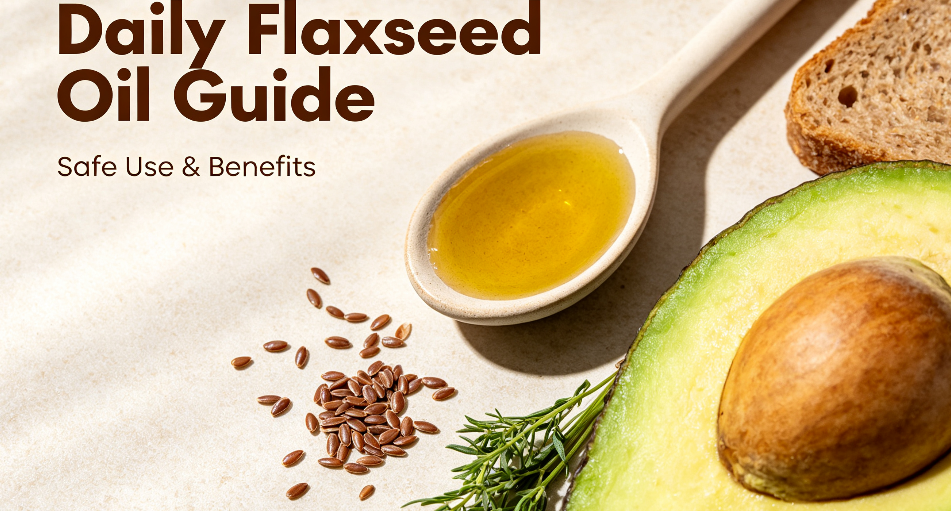
As more people shift toward plant-based eating and natural wellness routines, plant-derived functional oils have become staple additions to daily diets. Among these, oil from flax stands out as one of the most nutrient-dense options, celebrated for its rich profile of healthy unsaturated fats and plant-based omega-3s. Many new and long-term users share the same core question: can you take flaxseed oil everyday safely as a consistent dietary supplement?
Unlike trendy wellness products with fleeting benefits, flaxseed oil offers steady, science-backed nutritional support that aligns with balanced, long-term healthy lifestyles. Its rising popularity stems from its unique ability to deliver alpha-linolenic acid (ALA), an essential omega-3 fatty acid that most modern diets lack. For anyone looking to boost daily nutrient intake, support bodily balance, and enhance overall wellness naturally, consistent daily flaxseed oil use is a viable option for most healthy adults. This comprehensive guide breaks down safe daily usage, precise dosage standards, flaxseed oil nutrition, targeted gender-specific benefits, hair wellness support, and key safety rules to follow for sustainable daily use.
What Is Flaxseed Oil?
Flaxseed oil is a pure, natural vegetable oil extracted from the dried seeds of the flax plant, a nutrient-rich crop cultivated globally for its exceptional dietary value. The highest-quality variant available on the market is cold pressed flaxseed oil, produced through a low-temperature mechanical pressing process that avoids high heat, chemical solvents, bleaching, or artificial additives.
Oil from flax is uniquely defined by its concentrated flaxseed oil omega 3 benefits, primarily stemming from its high ALA content. ALA is an essential fatty acid, meaning the human body cannot synthesize it independently and must obtain it through daily food or supplement intake. Beyond omega-3s, flaxseed oil contains a balanced blend of heart-friendly unsaturated fats, with zero trans fats and minimal saturated fats, making it a far healthier alternative to refined cooking oils high in inflammatory omega-6 fats.
What sets premium cold-pressed flaxseed oil apart from refined versions is its retained nutritional integrity. Heat-processed flaxseed oil loses most of its active ALA and natural nutrients during manufacturing, while cold-pressed variants preserve the full spectrum of flaxseed oil nutrition, delivering maximum nutritional value for daily wellness support.
Can You Take Flaxseed Oil Every Day?
For the majority of healthy adults, daily daily flaxseed oil use is completely safe, sustainable, and beneficial when practiced in moderation and aligned with overall dietary habits. There is no scientific evidence linking consistent, moderate flaxseed oil intake to adverse long-term health effects for otherwise healthy individuals.
It is important to emphasize that flaxseed oil is not a mandatory dietary staple for everyone. Its value lies in filling common nutritional gaps, particularly insufficient plant-based omega-3 intake from standard Western diets. For those who rarely consume fatty fish, nuts, or other omega-3 sources, dailyoil from flax supplementation may significantly enhance dietary balance. For individuals with already balanced fat intake, it still serves as a gentle, supportive nutritional addition rather than a necessary supplement.
Daily use works best as part of a holistic healthy lifestyle that includes varied whole foods, regular physical activity, and proper hydration. When used responsibly, it supports consistent bodily wellness without disrupting natural bodily functions or creating dependency.
How Much Flaxseed Oil Per Day?
Understanding how much flaxseed oil per day to consume is the most critical factor for safe, effective daily use. Proper dosage prevents digestive discomfort, excess calorie intake, and nutritional imbalance, while ensuring users gain the full spectrum of flaxseed oil omega 3 benefits.
Standard daily serving guidelines are based on fluid tablespoons and teaspoons, the most common household measurements for dietary oils. For healthy adult beginners new to daily flaxseed oil use, a starting dose of 1 teaspoon per day is ideal. This small serving allows the digestive system to adapt to the high-fat content, minimizing risks of bloating, gas, or loose stools.
For regular, long-term users with established tolerance, the optimal maintenance dose is 1 fluid tablespoon per day. This serving delivers a robust amount of ALA omega-3 to support systemic wellness while remaining within safe dietary limits. Health experts universally recommend not exceeding 1 tablespoon of oil from flax daily for general wellness purposes.
A key consideration for daily users is calorie awareness. Flaxseed oil is a calorie-dense food, with roughly 120 calories per tablespoon. Those tracking daily calorie or fat intake should adjust their overall diet accordingly to avoid excess caloric consumption, especially if regularly adding the oil to meals and beverages.
Flaxseed Oil Nutrition and Omega-3 Benefits
The powerful wellness potential of daily flaxseed oil use stems entirely from its robust flaxseed oil nutrition profile, centered on plant-based essential fatty acids. Unlike many dietary oils that offer minimal nutritional value,oil from flax is a premier source of Alpha-linolenic acid (ALA), a plant-based omega-3 fatty acid critical for human health.
Flaxseed oil omega 3 benefits are wide-ranging and foundational to bodily function. ALA plays a key role in supporting healthy inflammatory responses throughout the body, balancing out excess pro-inflammatory omega-6 fats that dominate processed food-heavy diets. This fatty acid balance may help maintain consistent cardiovascular wellness, support metabolic function, and promote healthy cellular activity over time.
Beyond ALA, flaxseed oil is rich in monounsaturated and polyunsaturated fats, the two categories of unsaturated fats widely recognized as essential components of a balanced diet. These healthy fats aid nutrient absorption, helping the body utilize fat-soluble vitamins like A, D, E, and K from other foods. Unlike saturated and trans fats, the fats in flaxseed oil support long-term bodily balance rather than contributing to dietary strain.
Flaxseed Oil Benefits for Male Health
Consistent daily flaxseed oil use delivers targeted, gentle wellness support that aligns with common male nutritional needs, making flaxseed oil benefits for male a well-documented area of plant-based nutrition research.
Many men’s daily diets prioritize protein and processed carbohydrates while lacking sufficient plant-based omega-3s, creating an imbalanced fatty acid ratio over time. Regular intake of oil from flax may help correct this imbalance, supporting healthy lipid levels and maintaining long-term cardiovascular wellness. The anti-inflammatory properties of ALA may also contribute to reduced post-activity bodily discomfort, supporting consistent physical recovery for active men.
Additionally, the balanced healthy fats in flaxseed oil may help maintain steady metabolic function and consistent energy levels throughout the day. Rather than delivering short-term energy spikes, the slow-absorbing fats support sustained vitality, making daily supplementation a simple way for men to reinforce their long-term wellness routine without harsh synthetic supplements.
Flaxseed Oil Benefits for Female Health
Women of all life stages can leverage gentle, sustainable wellness support from daily flaxseed oil intake, with unique flaxseed oil benefits for female skin, beauty, and overall bodily balance.
Healthy dietary fats are foundational to women’s skin health, and oil from flax excels in supporting a resilient skin barrier. The ALA omega-3s in flaxseed oil may help maintain skin hydration, reduce dry, dull texture caused by environmental stressors or lifestyle fatigue, and support a smooth, balanced complexion with consistent daily use.
Beyond skin wellness, the nutrient profile of flaxseed oil supports overall female nutritional balance. For women prioritizing natural beauty and holistic wellness, daily flaxseed oil use serves as an internal nourishment tool, complementing external skincare and self-care routines. Its gentle, non-invasive nutritional support fits seamlessly into balanced lifestyles, with research suggesting it may help sustain consistent bodily comfort throughout varying life stages.
Flaxseed Oil and Hair Growth: What Does Research Say?
One of the most frequently researched and user-searched topics surrounding flaxseed oil is flaxseed oil and hair growth, with many daily users incorporating the oil to support long-term hair and scalp health.
It is critical to note that no dietary oil can guarantee faster hair growth or reverse genetic hair thinning. However, research suggests the essential fatty acids in oil from flax may play a supportive role in maintaining optimal scalp and hair conditions. ALA omega-3s help nourish scalp tissue, support healthy blood flow to hair follicles, and soothe mild scalp inflammation—one of the most common hidden barriers to consistent healthy hair cycles.
With ongoing daily flaxseed oil use, users may notice improved hair texture and strength. The healthy fats support hair strand elasticity, helping reduce breakage, split ends, and dry, brittle hair caused by nutrient gaps or environmental damage. When paired with a balanced diet and proper hair care habits, flaxseed oil may contribute to thicker, healthier-looking hair over time by creating a nutrient-rich internal foundation for follicle health.
Best Ways To Add Flaxseed Oil Into Your Daily Diet
To maximize flaxseed oil omega 3 benefits and preserve its delicate nutritional profile, daily flaxseed oil should only be used in cold, low-temperature applications. High heat oxidizes the oil, destroys ALA nutrients, and creates unpleasant bitter flavors, eliminating its wellness value. Below are simple, popular ways to integrate oil from flax into daily meals:
- Blend into beverages: Stir a teaspoon or tablespoon of flaxseed oil into morning smoothies, green juices, or protein shakes for a seamless nutrient boost with no overpowering flavor.
- Make homemade dressings: Mix flaxseed oil with apple cider vinegar, lemon juice, herbs, and spices to create nutrient-dense salad dressings for leafy greens and grain bowls.
- Top breakfast foods: Drizzle a small serving over plain yogurt, oatmeal, chia pudding, or cold overnight oats to enhance healthy fat intake at the start of the day.
- Pair with cold side dishes: Lightly toss with cold roasted vegetables, quinoa salads, or chilled soups to add nutritional value without heat exposure.
For proper storage, keep cold-pressed flaxseed oil in a dark glass bottle refrigerated after opening. This prevents light, heat, and air exposure that causes rancidity and nutrient degradation, ensuring consistent quality for daily use.
Possible Side Effects of Taking Flaxseed Oil Daily
When following proper dosage guidelines, daily flaxseed oil use poses minimal side effects for healthy adults. The vast majority of adverse reactions stem from overconsumption or improper storage, rather than the oil itself.
The most common mild side effect is digestive discomfort, including bloating, gas, or loose stools. This typically occurs when new users start with excessively large servings or consume the oil on an empty stomach. Starting with a small teaspoon dose and pairing the oil with food easily prevents this issue.
As a calorie-dense oil, unmonitored daily intake may lead to excess calorie consumption for users with strict dietary limits. Additionally, rancid flaxseed oil (caused by poor storage) may cause mild digestive upset and offers no nutritional benefits, making proper refrigeration non-negotiable for daily users.
Side effects are highly individual. Most healthy users experience no negative symptoms with consistent, moderate daily flaxseed oil use, and any mild discomfort resolves quickly with adjusted serving sizes.
Who Should Be Careful With Daily Flaxseed Oil Use?
While safe for most adults, certain groups should exercise caution or consult a healthcare provider before establishing a daily flaxseed oil routine, due to potential bodily interactions or health considerations.
Individuals taking blood-thinning or antiplatelet medications should seek medical approval first, as the natural fatty acids in oil from flax may support mild blood thinning activity, which could compound with prescription drugs. Anyone preparing for scheduled surgery or dental procedures is recommended to pause daily use one week in advance to avoid potential bleeding complications.
Those with chronic digestive conditions such as severe IBS or sensitive gut flora may need to limit or avoid daily use, as high-fat oils can exacerbate digestive symptoms in sensitive individuals. Pregnant and breastfeeding individuals should also consult a healthcare professional before consistent supplementation to ensure safety.
Frequently Asked Questions (FAQ)
1. Can you take flaxseed oil every day?
Yes, most healthy adults can safely take flaxseed oil every day in moderate servings. Consistent daily flaxseed oil use supports steady nutrient intake and long-term wellness, as long as users follow recommended dosage guidelines and store the oil properly to avoid rancidity.
2. How much flaxseed oil per day is recommended?
Beginners should start with 1 teaspoon of oil from flax daily, while regular users can maintain a 1-tablespoon daily serving. It is not recommended to exceed 1 tablespoon per day for general wellness to avoid digestive issues and excess calorie intake.
3. What are the benefits of flaxseed oil for males?
Flaxseed oil benefits for male include supporting balanced fatty acid ratios, maintaining healthy cardiovascular function, sustaining steady daily energy levels, and aiding gentle post-workout inflammatory recovery as part of a balanced lifestyle.
4. What are the benefits of flaxseed oil for females?
Flaxseed oil benefits for female primarily include supporting skin barrier health and hydration, maintaining overall bodily nutritional balance, and providing plant-based omega-3 nourishment to complement daily beauty and wellness routines.
5. Does flaxseed oil help hair growth?
Research indicates flaxseed oil and hair growth are indirectly connected. The ALA omega-3s in flaxseed oil may support scalp health, reduce mild inflammation, and strengthen hair strands, creating optimal conditions for healthy natural hair growth, though it cannot reverse genetic hair loss.
6. Is flaxseed oil better than fish oil?
It depends on individual dietary needs. Flaxseed oil is the ideal plant-based omega-3 source for vegan, vegetarian, or seafood-sensitive users, rich in ALA. Fish oil provides DHA and EPA, animal-based omega-3s. Both offer unique wellness benefits, and flaxseed oil serves as a superior plant-based alternative for daily omega-3 supplementation.
Final Thoughts
To conclude the core question: can you take flaxseed oil everyday? The science-backed answer is yes for nearly all healthy adults. Moderate, consistent daily flaxseed oil use is a safe, natural way to boost plant-based omega-3 intake and enhance overall wellness.
By following clear guidelines for how much flaxseed oil per day, users can safely access full-spectrum flaxseed oil omega 3 benefits and premium flaxseed oil nutrition. Whether you are prioritizing flaxseed oil benefits for male physical wellness, flaxseed oil benefits for female skin and bodily balance, or improved results for flaxseed oil and hair growth, pure cold-pressed oil from flax stands as a reliable, sustainable addition to any natural healthy lifestyle.

Alex Wang
He researches nutritional information and creates educational content to help consumers better understand healthy fats, omega-3s, and food choices.