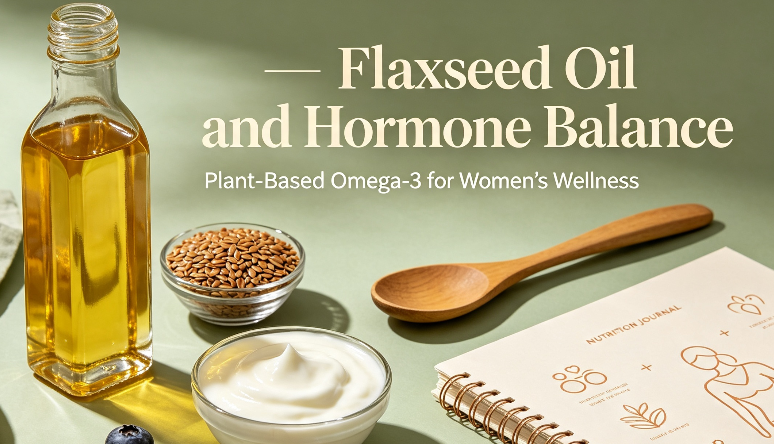
Wondering about flaxseed oil and hormone balance? Explore science-backed ALA nutrition, key differences from flax seeds, safe usage, limits, and honest guidance for women’s hormonal health.
Flaxseed Oil and Hormone Balance: What Does Science Say?
Introduction
Hormonal health sits at the center of wellness conversations for women across every life stage—from premenstrual years through perimenopause, menopause, and post-menopause. Many people notice shifts in mood, energy, skin, digestion, and comfort when hormone levels fluctuate, driving widespread interest in gentle, food-first nutritional support rather than synthetic interventions. Diet acts as one layer of holistic care, and healthy fats are frequently highlighted for their role in supporting bodily systems that interact with hormone production.
Cold-pressed flaxseed oil has risen in popularity as a plant fat staple, leading countless women to search flaxseed oil and hormone balance to understand if this oil can ease hormonal discomfort. Its core nutrient, alpha-linolenic acid (ALA), is an essential plant omega-3 unique to flax and a small handful of other seed oils.
What Is Flaxseed Oil?
Flaxseed oil is a cold-extracted culinary oil pressed from the dried seeds of the Linum usitatissimum flax plant. Reputable consumer versions rely on cold-press processing, meaning no extreme heat or chemical solvents are used during extraction. High heat destroys fragile unsaturated fats, so cold pressing preserves the full nutritional value of its signature fatty acid: ALA.
As a concentrated lipid product, flaxseed oil’s defining trait is its ultra-high concentration of plant-only omega-3, categorized under the keyword flaxseed oil omega 3. ALA is essential—human bodies cannot manufacture this fatty acid internally, so consistent dietary intake is required to maintain cell health, inflammatory response, and lipid pathways that feed hormone-building processes.
A critical detail many shoppers miss: flaxseed oil contains nearly zero soluble or insoluble fiber, and only trace, nutritionally irrelevant quantities of lignans. Lignans—the polyphenols linked to mild plant estrogen activity—stay trapped in solid flaxseed meal during pressing, separating the oil’s pure fat profile from the whole seed’s complex plant compounds. For full-spectrum flax nutrition, many women pair this oil with ground flaxseed in their daily meals.
Why Are People Interested in Flaxseed Oil and Hormones?
The search term flaxseed oil and hormones continues to grow for three interconnected reasons rooted in modern women’s wellness priorities:
- Shift to plant-forward nutritional support More women prioritize unrefined, vegan-friendly foods to complement their hormonal self-care routines, avoiding over-the-counter synthetic hormone support where possible. Flaxseed oil requires minimal preparation and fits seamlessly into smoothies, yogurts, and cold dishes.
- Widespread confusion between flaxseed oil and whole flaxseed Most peer-reviewed studies examining flax for hormonal wellness focus on ground whole flax seeds, rich in lignans. Marketing content often conflates oil and whole seeds, leading consumers to incorrectly assume flaxseed oil carries identical plant estrogen benefits.
- Recognition of healthy fats as foundational bodily fuel All human hormones are lipid-based molecules. Without adequate unsaturated fats, the body lacks raw materials to synthesize estrogen, progesterone, and stress hormones. Flaxseed oil delivers concentrated plant fat to fill gaps common in standard Western diets heavy on omega-6 refined oils.
It is vital to draw a clear line here: supplying raw fat building blocks for hormone production is not equivalent to correcting or balancing hormonal irregularities. Nutrient provision supports baseline wellness, but cannot reverse underlying hormonal disruptions.
Can Flaxseed Oil Support Hormone Health?
When evaluating the primary keyword flaxseed oil and hormone balance, all available nutritional research draws a clear, cautious conclusion to avoid overstated wellness claims. Flaxseed oil cannot balance hormones, fix hormonal irregularities, or regulate estrogen and progesterone levels in the human body—none of these claims hold consistent clinical backing.
Where this oil adds value is indirect, as a contributor to a nutrient-dense eating pattern that may support overall wellness alongside sleep, movement, stress management, and medical care. Two key supportive mechanisms appear in published nutritional literature:
- Modulation of low-grade inflammation Chronic inflammation disrupts hormonal signaling pathways throughout the body. ALA omega-3s from flaxseed oil may soften persistent inflammatory responses when consumed regularly as part of a balanced diet, removing one stressor that worsens hormonal discomfort.
- Supplying essential lipid building materials Hormones rely on unsaturated fats for their molecular structure. If a woman’s diet lacks sufficient omega-3 fats, baseline hormone synthesis may be compromised. Flaxseed oil fills this plant-based fat gap for those avoiding seafood fish oil.
Even with these supportive functions, hormonal health is shaped by dozens of overlapping factors: genetics, stress levels, sleep quality, body composition, thyroid function, and medication use. No single food—including flaxseed oil—can single-handedly shift a person’s hormonal status, and individual responses may vary widely based on these personal variables. Research exploring isolated flaxseed oil’s direct hormonal impact remains limited and inconclusive.
Flaxseed Oil vs Flax Seeds: Why They Are Different
The biggest source of consumer misunderstanding around flaxseed and hormone health stems from failing to separate oil and whole seeds. The table below outlines core nutritional differences that directly impact their relationship to female hormonal wellness:
| Nutritional Trait | Cold-Pressed Flaxseed Oil | Ground Whole Flax Seeds |
| Primary nutrient | Concentrated ALA omega-3 fatty acids | ALA omega-3 + high lignans + soluble & insoluble fiber |
| Lignan content | Trace amounts (no meaningful hormonal activity) | One of the top dietary sources of plant lignans (mild phytoestrogen compounds) |
| Dietary fiber | 0g per tablespoon | ~2.8g fiber per tablespoon |
| Primary wellness strength | Boost plant omega-3 intake for inflammation & cell health | Lignan support for hormonal signaling + gut fiber for toxin elimination |
| Heat tolerance | Heat-sensitive; only cold use allowed | Tolerates low-temperature baking, mixing into hot cereals |
| Focus of hormone research | Very few trials study pure flaxseed oil | Majority of flax hormonal research uses ground whole flaxseed |
Key takeaway: If a woman is seeking mild lignan-related nutritional support for hormonal comfort, ground flaxseed is the better choice. Flaxseed oil exists primarily as an omega-3 supplement and does not deliver the plant compounds tied to flax’s mild hormonal research results.
The Role of Omega-3 Fatty Acids in Women’s Nutrition
The core value of flaxseed oil centers on its supply of flaxseed oil omega 3, specifically ALA, the only omega-3 fat sourced entirely from plant foods. For women navigating hormonal shifts, adequate ALA intake serves three gentle, evidence-backed roles within a balanced diet:
- Maintaining cell membrane integrity Every hormone receptor sits within cell membranes built from unsaturated fats. Consistent ALA intake keeps these membranes flexible, supporting clearer hormone signal transmission between cells.
- Reducing inflammatory burden High omega-6 intake from corn, soybean, and sunflower oils creates an inflammatory imbalance that amplifies PMS bloating, joint soreness, and menopausal discomfort. Adding flaxseed oil shifts fatty acid ratios toward a more neutral inflammatory state.
- Sustainable omega alternative for restricted diets Vegan, vegetarian, seafood-allergic, or mercury-concerned women cannot rely on fish oil for EPA/DHA. While the human body only converts a small percentage of ALA into longer-chain marine omega-3s, flaxseed oil remains the most concentrated plant substitute available.
This fatty acid support enhances baseline bodily function but does not alter hormone concentrations or resolve hormonal disorders on its own. For broader female-focused lipid guidance, explore our full breakdown of flaxseed oil benefits for female across all life phases.
Flaxseed Oil and Menopause
A closely related secondary keyword is flaxseed oil menopause, as perimenopausal and menopausal women make up the largest group searching flax products for hormonal support. As ovarian estrogen production declines, many women report hot flashes, dry mucous tissue, sleep disruption, and mood swings, prompting them to seek plant-based dietary adjustments.
Critical context for midlife women: Most studies noting mild improvements in self-reported menopausal discomfort utilize ground flaxseed rich in lignans—not pure flaxseed oil. Flaxseed oil lacks those lignan compounds, so it cannot replicate the subtle plant estrogen-related support seen in whole seed trials.
That said, flaxseed oil still adds value during this hormonal transition via its ALA content:
- ALA supports skin and vaginal moisture by reinforcing lipid cell barriers affected by low estrogen
- Anti-inflammatory omega-3 action may ease joint stiffness and persistent fatigue common post-menopause
- It offers a simple way to boost healthy fat intake without adding animal products to daily meals
Women seeking combined support often integrate both a small daily dose of flaxseed oil and a spoonful of ground flaxseed to capture both omega-3 and lignan nutrition. You can read our dedicated article on flaxseed oil and menopause for full midlife nutritional guidance.
Potential Benefits of Flaxseed Oil for Women
When used moderately as part of diverse meals, flaxseed oil benefits for female wellness extend beyond hormonal support, all framed as supplementary nutritional perks rather than guaranteed outcomes:
- Adds concentrated plant-based omega-3 to fill common dietary gaps
- May lower systemic inflammatory load that worsens PMS and menopausal discomfort
- Improves skin barrier hydration by supplying lipid building blocks for cell membranes
- Simple, no-prep way to upgrade cold meals without complex cooking steps
- Vegan, allergen-friendly alternative to fish-based omega supplements
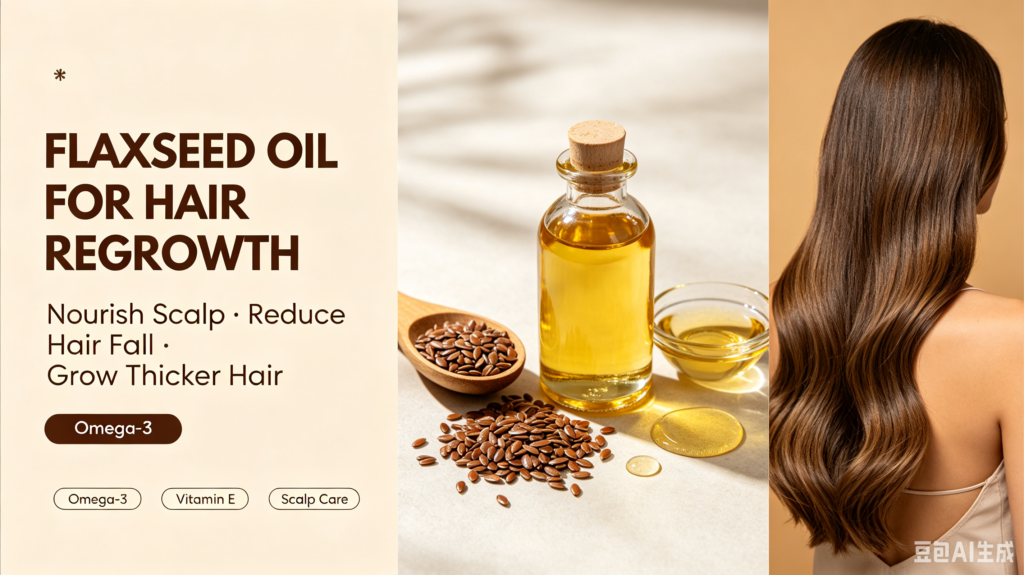
For dual internal and external use ideas, check our guides covering how to use flaxseed oil for hair growth and flax seed oil hair benefits to unlock multi-purpose wellness from this plant oil. If digestive balance is a priority alongside hormonal care, read our resource on flaxseed oil for gut health to pair oil with fiber-rich foods for full-body comfort.
How To Use Flaxseed Oil in a Healthy Diet
Flaxseed oil oxidizes rapidly under heat, light, and air, destroying ALA and creating harsh oxidized lipids that trigger digestive upset. All usage must be cold, post-cooking, or raw—never apply high heat:
- Blend ½–1 tsp into fruit, spinach, or oat breakfast smoothies
- Drizzle over chilled plain yogurt, chia pudding, or overnight oats
- Whisk with lemon juice, Dijon, and herbs for homemade cold salad vinaigrette
- Splash as a finishing touch on fully cooled steamed veggies, lentil soups, or grain bowls
Storage rule: Seal tightly in an opaque glass bottle and refrigerate immediately after opening to slow oxidation. Discard if a bitter, rancid taste or odor develops. Those interested in homemade production can reference our guide explaining how to make cold pressed flaxseed oil at home for fresh, unrefined batches.
How Much Flaxseed Oil Per Day
The search query how much flaxseed oil per day reflects widespread consumer uncertainty around safe, sustainable intake for women. Below are general non-medical dietary guidelines, personalized adjustments should be made based on total daily fat and calorie consumption:
- New beginners: Start with ½ teaspoon daily for 7–10 days to allow gut microbiome adaptation
- Standard maintenance serving: 1–2 teaspoons daily for consistent ALA support
- Maximum recommended limit: Do not exceed 1 tablespoon per day
Flaxseed oil is calorie-dense (roughly 120 calories per tbsp). Women tracking weight or macronutrients should reduce other added fats (olive oil, nut butter, avocado) to avoid excess caloric surplus. Anyone on prescription hormone medications or blood thinners should confirm serving sizes with their healthcare provider before establishing a daily routine.
Possible Side Effects of Flaxseed Oil
Understanding flaxseed oil side effects prevents avoidable discomfort and safety risks, especially for women with sensitive digestion or chronic health prescriptions:
- Mild gastrointestinal distress: Bloating, gas, or loose stools from sudden high unsaturated fat intake; resolved by lowering serving size and building intake slowly
- Flax allergies: Rare oral itch, stomach cramping, or skin rashes in people with confirmed flaxseed sensitivity—discontinue use immediately if symptoms surface
- Blood-thinning interaction risk: ALA carries mild antiplatelet activity; women taking warfarin, aspirin, or clotting disorder medication must consult a clinician before regular use
- Rancid oil toxicity: Improperly stored oxidized oil causes nausea, stomach pain, and inflammatory stress; always refrigerate and discard expired bottles
Real User Experience
below is a firsthand account from a 38-year-old woman with recurring PMS and mild estrogen fluctuations who used flaxseed oil daily for 8 months alongside ground flaxseed: “I’d read online that flax products helped hormonal mood swings, so I initially only bought flaxseed oil, expecting it to ease my monthly irritability and bloating. After a month of 1 tsp daily, I noticed my dry skin felt softer, but my PMS symptoms stayed unchanged. I researched the lignan difference and added one tablespoon of ground flaxseed to my oatmeal each morning alongside the oil.
After another two months, my monthly bloating and mood swings felt less intense. My nutritionist explained the oil only supplied omega-3 fats for inflammation, while the ground seeds provided lignans that supported gentle hormonal signaling. I don’t view flaxseed oil as a fix for my hormone shifts—it’s just one small piece of my routine that includes daily walking, limited added sugar, and consistent sleep. I never heat the oil and keep it refrigerated to avoid spoilage, and I stick to 1 tsp each morning to prevent loose stools.”
This experience reinforces core educational takeaways: flaxseed oil alone cannot address hormonal discomfort linked to lignan activity, and consistent holistic habits create far more noticeable wellness shifts than a single dietary oil.
FAQ Section
Q1: Does flaxseed oil balance hormones?
A: No credible clinical research confirms flaxseed oil balances hormones, regulates estrogen, or fixes hormonal imbalance. It supplies ALA omega-3 fats that support baseline bodily wellness and inflammatory response, but it cannot alter circulating hormone levels or correct hormonal disorders. Ground whole flaxseed (rich in lignans) is the flax product associated with mild plant estrogen-related nutritional study results, not isolated oil.
Q2: Is flaxseed oil good for women’s hormone health?
A: It can be a supportive component of a balanced diet for women’s overall wellness, as its ALA content provides essential fats the body uses for cell and hormone structure. It should not be relied upon as a targeted solution for hormonal irregularities, and research is ongoing regarding long-term lipid intake’s indirect impact on hormonal comfort. Individual results differ based on diet, lifestyle, and personal hormone profiles.
Q3: Does flaxseed oil contain lignans?
A: Flaxseed oil holds only trace, nutritionally insignificant lignan amounts. Lignans remain trapped in solid flaxseed meal during cold-press extraction. Any mild plant estrogen nutritional support from flax comes exclusively from consuming ground whole flax seeds.
Q4: Is flaxseed oil better than flax seeds for hormone health?
A: Ground flax seeds are superior if your goal is nutritional support related to lignans and mild hormonal signaling. Flaxseed oil’s strength lies in concentrated ALA omega-3 for inflammation and cell health, with negligible lignan content. Combining small daily servings of both delivers full-spectrum flax nutrition for women.
Q5: Can women take flaxseed oil every day?
A: Most healthy adult women may consume moderate cold-pressed flaxseed oil daily (1–2 tsp) as part of a balanced eating pattern. Those with chronic illness, flax allergies, or prescription medications (blood thinners, hormone therapy) must consult a healthcare provider before consistent daily use.
Q6: Is flaxseed oil helpful during menopause?
A: It offers indirect supportive wellness benefits via its anti-inflammatory ALA fats, which may improve dry skin and joint stiffness common with falling estrogen. It does not reduce hot flashes or night sweats—studies noting mild midlife symptom relief use ground flaxseed with lignans, not pure flaxseed oil.
Conclusion
The search for flaxseed oil and hormone balance often stems from a well-intentioned desire to find gentle, plant-based nutrition for women’s fluctuating hormonal health, yet critical scientific context is frequently missing from casual wellness content online. Flaxseed oil’s primary superpower is its ultra-concentrated plant ALA omega-3, a nutrient that fuels cell membranes, moderates inflammation, and provides raw lipid material for hormone synthesis. It cannot balance, regulate, or fix hormonal irregularities, nor does it contain meaningful lignans linked to flax’s mild plant estrogen research.
For women prioritizing flaxseed and hormone health, the most effective approach combines small daily flaxseed oil servings for omega-3 with ground whole flaxseed for fiber and lignans, paired with consistent protein, fiber, movement, and stress management. Hormonal wellness is multi-faceted; nutrition is only one contributing piece, and nutrition is one part of overall health. Individual bodily responses to dietary fats vary, so consistent observation of personal comfort levels is key.
Whether navigating PMS, perimenopause, or post-menopause, flaxseed oil serves as a versatile, vegan-friendly addition to cold meals that boosts plant omega-3 intake without synthetic additives. Always separate marketing claims from peer-reviewed nutritional research to build realistic expectations around what this oil can and cannot deliver for hormonal wellness.
Disclaimer
This article contains general educational nutritional information only and does not constitute medical advice, diagnosis, treatment, or hormone disorder intervention. No statement within this content claims flaxseed oil balances hormones, treats hormonal conditions, or resolves menopausal symptoms. All wellness observations reference ongoing nutritional research with variable individual outcomes. Before adjusting your regular diet, adding concentrated seed oil supplements, or making changes while taking hormone, blood-thinning, or chronic disease medications, consult a licensed registered dietitian or women’s healthcare specialist. This website and its authors accept no liability for personal health decisions made based solely on this general educational content.
References & Scientific Sources
- Academy of Nutrition and Dietetics (2025): Plant-Based ALA Intake Guidelines for Adult Women & Hormonal Lipid Support
- Journal of Women’s Midlife Health (2024): Lignan Distribution Differences Between Flaxseed Oil and Whole Ground Flaxseed
- Cleveland Clinic Nutrition Department (2024): Omega-3 Fatty Acid Inflammatory Impacts on Female Hormonal Signaling
- Nutrients Peer-Reviewed Journal (2023): ALA Conversion Rates & Hormone Precursor Lipid Analysis
- American College of Lifestyle Medicine (2025): Plant Fat Nutrition for PMS and Menopausal Wellness
- USDA Dietary Guidelines for Americans (2025): Safe Daily Added Fat Limits for Adult Females

Alex Wang
He researches nutritional information and creates educational content to help consumers better understand healthy fats, omega-3s, and food choices.