Health-conscious home cooks and nutrition enthusiasts constantly evaluate healthy cooking oils to build balanced, nutrient-preserving daily diets. Among popular plant-based oils, cold-pressed flaxseed oil stands out as one of the most nutrient-dense omega 3 rich foods, celebrated for its abundant ALA fatty acids and natural plant nutrition. However, many people new to this superfood oil ask one critical question: what is the flaxseed oil smoke point, and can you safely cook with flaxseed oil at typical kitchen temperatures?
Understanding the smoke point of any cooking oil is foundational to healthy culinary practices. An oil’s smoke point dictates its safe temperature range, determines cooking suitability, and directly impacts nutrient retention and flavor quality. Misusing oils beyond their heat threshold leads to nutrient loss, unpleasant burnt flavors, and unwanted oxidation. This comprehensive guide breaks down everything about flaxseed oil’s smoke point, heat sensitivity, safe cooking applications, and proper usage to help you leverage full flaxseed oil benefits in your daily meals.
Introduction
What Is Flaxseed Oil?
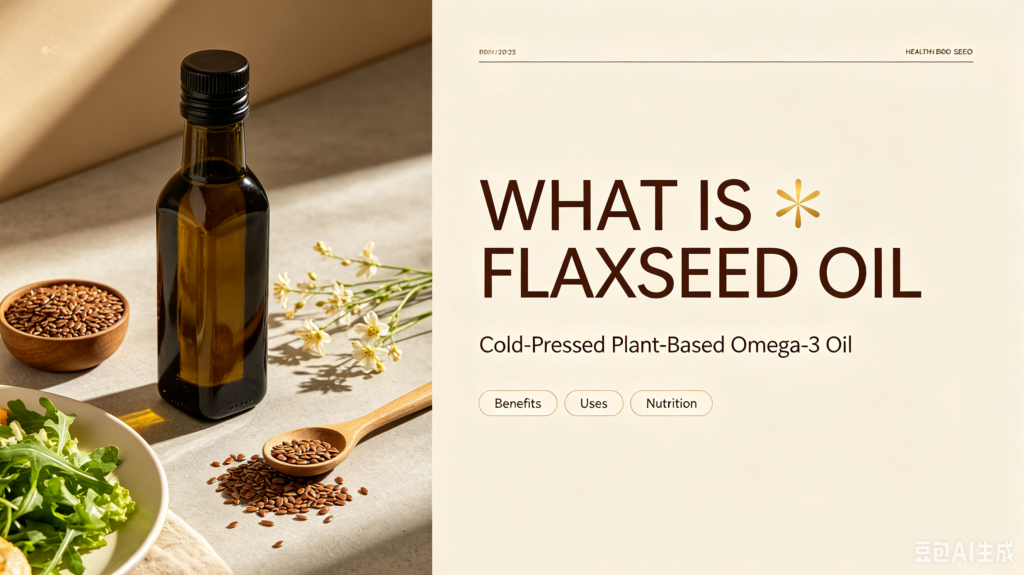
Flaxseed oil, also known as linseed oil, is a pure plant oil extracted from dried flax seeds. Premium cold pressed flaxseed oil is produced through low-temperature mechanical pressing, which avoids heat processing and preserves the oil’s natural delicate nutrients, including ALA omega-3 fatty acids, lignans, and vitamin E. Unlike refined cooking oils, unprocessed flaxseed oil retains its full nutritional profile, making it a staple in clean eating, plant-based nutrition, and holistic wellness routines. Beyond culinary use, consistent intake complements external wellness practices, from exploring flaxseed oil benefits for hair and flax oil for hair care to supporting long-term female wellness viaflaxseed oil benefits for female bodily balance.
Why People Want to Know Flaxseed Oil Smoke Point
Most casual home cooks assume all plant oils work for general cooking, frying, and baking. Once users invest in high-quality flaxseed oil for its exceptional nutritional value, they naturally wonder: can you cook with flaxseed oil normally, or is it limited to specific uses? Conflicting online advice about flaxseed oil’s heat tolerance creates confusion, leading many to waste its nutrients through improper heating or avoid using it entirely. Learning the flaxseed oil smoke point eliminates guesswork, ensures safe usage, and maximizes every nutritional benefit this premium plant oil offers.
Why Choosing the Right Oil Temperature Matters
Every culinary oil has a unique thermal threshold. When heated past its smoke point, oil begins to smoke, oxidize rapidly, and break down chemically. This process destroys fragile healthy fats, neutralizes antioxidant properties, and creates bitter, off-putting flavors. For nutrient-dense specialty oils like flaxseed oil, improper heating completely negates their core health advantages. Matching each oil to its correct temperature range is the simplest way to preserve nutrition, enhance meal flavors, and maintain consistent healthy cooking habits.
What Is the Smoke Point of Flaxseed Oil?
The flaxseed oil smoke point ranges from 225°F to 300°F (107°C to 149°C) for standard cold-pressed, unrefined varieties. This is significantly lower than most everyday cooking oils, firmly categorizing flaxseed oil as a low-smoke-point, cold-use specialty oil. Unlike refined oils with standardized high smoke points, flaxseed oil’s exact thermal threshold fluctuates based on several key quality and storage factors, making generalized temperature numbers incomplete without contextual explanation.
Key Factors That Affect Flaxseed Oil Smoke Point
- Oil Quality: Pure, fresh, cold-pressed flaxseed oil maintains the higher end of the smoke point range. Low-grade, impure, or blended flaxseed oil with additives will smoke at much lower temperatures.
- Processing Methods: Cold-pressed, unrefined flaxseed oil uses no heat or chemical processing, preserving natural fat structures. Heat-refined flaxseed oil undergoes processing that slightly raises the smoke point but destroys nearly all omega-3 nutrients, eliminating the oil’s core value.
- Storage Conditions: Flaxseed oil exposed to sunlight, room-temperature heat, or oxygen oxidizes gradually over time. Oxidized oil develops instability and smokes at drastically reduced temperatures, even if it remains unopened.
- Freshness Level: Newly bottled fresh flaxseed oil has a stable structure. As it ages past its optimal shelf life, molecular breakdown weakens heat resistance, lowering the effective smoke point during cooking attempts.
Why Smoke Point Is Critical for Cooking Oil Selection
A oil’s smoke point defines its safe culinary purpose. High-smoke-point oils (over 400°F) suit high-heat frying, sautéing, and baking. Medium-smoke-point oils work for gentle pan cooking and light roasting. Low-smoke-point oils like flaxseed oil are exclusively designed for cold applications. Ignoring this classification leads to total nutrient loss, wasted premium oil, and compromised meal quality.
Flaxseed Oil Smoke Point vs. Common Oils (Quick Comparison)
To put flaxseed oil’s low heat tolerance in perspective, its maximum safe temperature is nearly 100°F lower than extra virgin olive oil and 200°F lower than avocado oil—two popular moderate-heat healthy oils. This stark difference explains why flaxseed oil cannot substitute for conventional cooking oils in standard kitchen tasks.
Does Flaxseed Oil Have a Low Smoke Point?
Yes, unrefined cold-pressed flaxseed oil is universally classified as a low smoke point oil with minimal heat tolerance. This inherent trait is not a flaw but a direct result of its unique nutritional composition that makes it so healthy for daily consumption.
Polyunsaturated Fats and Heat Sensitivity
Flaxseed oil is dominated by polyunsaturated fatty acids, primarily ALA omega-3s. These fats have delicate, unstable molecular structures that cannot withstand high temperatures. In contrast, heat-tolerant cooking oils feature high monounsaturated or saturated fat content, which resist oxidation and thermal breakdown. The high omega-3 concentration that makes flaxseed oil one of the best omega 3 rich foods for wellness is exactly what makes it vulnerable to heat damage.
Why Flaxseed Oil Is Reserved for Cold Uses
The primary goal of using flaxseed oil is to intake its intact bioavailable nutrients. Heat exposure instantly damages ALA fats and natural antioxidants, stripping the oil of its core benefits. For this reason, every reputable nutrition guideline andflaxseed oil recipes resource recommends flaxseed oil for cold, post-cooking applications only. It functions as a nutritional finishing oil rather than a functional cooking oil.
Can You Cook With Flaxseed Oil?
The short answer to “can you cook with flaxseed oil” is no for high-heat cooking, yes only for no-heat finishing uses. Below is a detailed breakdown of safe and unsafe culinary applications to eliminate all guesswork.
Is Flaxseed Oil Suitable for Frying?
Never use flaxseed oil for frying, sautéing, or pan-searing. Even low-temperature stovetop frying exceeds flaxseed oil’s smoke point. Frying causes rapid oxidation, nutrient destruction, bitter smoke production, and off-flavors in your food. No form of frying—deep frying, shallow frying, or light pan frying—is safe or recommended for flaxseed oil.
Is Flaxseed Oil Good for Baking?
Standard oven baking (325°F and above) is too hot for flaxseed oil. While baked goods do not produce visible smoke, sustained oven heat slowly oxidizes the oil, degrading omega-3 nutrients entirely. If you substitute flaxseed oil in baked recipes, you lose all unique nutritional value and may introduce stale, nutty off-flavors. For baking, always use high-smoke-point oils instead.
Safe Post-Cooking Usage
The only safe cooking-related use for flaxseed oil is post-heat finishing. Drizzling flaxseed oil over hot cooked foods after removing them from heat adds fresh nutrition and flavor without thermal damage. This method lets you integrate flaxseed oil into warm meals while preserving its full nutrient profile.
Best Ways to Use Flaxseed Oil Without Heating
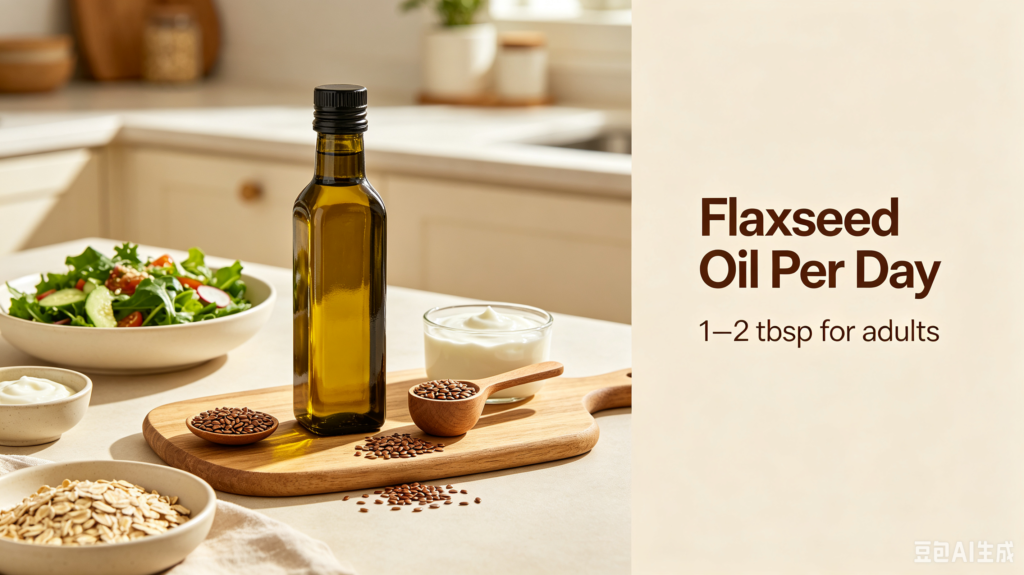
To fully unlock flaxseed oil benefits, stick to cold, no-heat applications. These simple, practical uses fit seamlessly into daily meal prep and maximize the oil’s natural nutrition. You can also optimize intake timing by learning when is the best time to take flaxseed oil for consistent wellness results.
- Salad Dressings: Whisk flaxseed oil with lemon juice, vinegar, herbs, and spices for nutrient-dense homemade dressings, preserving full ALA omega-3 content.
- Smoothies & Shakes: Blend one tablespoon of cold-pressed flaxseed oil into fruit or green smoothies for a subtle nutty flavor and boosted omega-3 intake.
- Drizzling Over Cooked Veggies & Grains: Add a light drizzle to roasted vegetables, quinoa, rice, or soups after cooking is complete and heat is removed.
- Yogurt & Oatmeal Toppings: Stir flaxseed oil into plain yogurt, Greek yogurt, or overnight oats for a creamy, nutrient-rich upgrade.
- Cold Dips & Spreads: Mix into hummus, tzatziki, or herb spreads to enhance nutrition without altering heat-sensitive properties.
Flaxseed Oil vs Other Cooking Oils (Comparison Table)
This side-by-side comparison clarifies how flaxseed oil stacks up against popular healthy cooking oils in terms of heat tolerance, nutrition, and best culinary uses.
| Oil Type | Smoke Point | Primary Fat Composition | Best Uses | High-Heat Cooking Suitability |
|---|---|---|---|---|
| Flaxseed Oil | 225–300°F (107–149°C) | High polyunsaturated ALA omega-3 | Cold dressings, smoothies, post-cooking drizzles | Not suitable |
| Olive Oil (Extra Virgin) | 325–375°F (163–190°C) | High monounsaturated fats | Light sautéing, salads, low-heat roasting | Limited suitability |
| Avocado Oil | 520°F (271°C) | High monounsaturated fats | Frying, baking, high-heat roasting | Excellent suitability |
| Coconut Oil | 350°F (177°C) | High saturated fats | Baking, light sautéing, no-heat spreads | Moderate suitability |
| Canola Oil | 400°F (204°C) | Balanced polyunsaturated/monounsaturated fats | General frying, baking, everyday cooking | Very suitable |
Why Heat Can Damage Flaxseed Oil’s Nutrients
To understand why flaxseed oil for cooking is not recommended, it is essential to explore the chemical and nutritional changes triggered by heat exposure.
Destruction of Omega-3 ALA Fatty Acids
ALA omega-3 fatty acids are highly thermolabile, meaning they break down rapidly under heat. Even brief exposure to temperatures above 300°F destroys the majority of active ALA content. Since omega-3s are flaxseed oil’s most valuable nutrient, heating eliminates its primary wellness advantage entirely.
Accelerated Oxidation
Heat speeds up oxidative stress within oil molecules. Oxidized flaxseed oil loses its fresh flavor, develops rancid notes, and loses antioxidant activity. Regular consumption of oxidized oil offers no nutritional benefits and compromises dietary wellness goals.
Loss of Nutrient Stability
Cold-pressed flaxseed oil contains natural lignans and vitamin E that support cellular wellness. These delicate compounds cannot withstand cooking temperatures. Once heated, these protective antioxidants degrade, leaving only empty fatty oil with no functional nutrition.
How to Store Flaxseed Oil Properly
Proper storage preserves flaxseed oil’s low heat tolerance and prevents premature oxidation, ensuring it remains fresh and nutrient-dense until use. Poor storage lowers the effective smoke point and ruins quality rapidly.
- Refrigerate After Opening: Always refrigerate cold-pressed flaxseed oil once opened. Consistent cool temperatures slow oxidation and preserve omega-3 stability.
- Use Dark Glass Bottles: Premium flaxseed oil comes in amber or dark green glass bottles that block UV light, a primary cause of nutrient degradation.
- Avoid Light and Heat Exposure: Store unopened bottles in cool, dark cabinets away from stoves, ovens, and direct sunlight.
- Respect Shelf Life: Unopened flaxseed oil lasts 6–12 months; opened bottles stay fresh for only 4–6 weeks. Discard any oil with a bitter or rancid smell.
Frequently Asked Questions (FAQ)
What is the smoke point of flaxseed oil?
Unrefined cold-pressed flaxseed oil has a low smoke point ranging from 225°F to 300°F (107°C to 149°C). Exact temperatures vary based on oil quality, processing, freshness, and storage conditions, placing it firmly in the low-heat specialty oil category.
Can you fry with flaxseed oil?
No, you cannot fry with flaxseed oil. All frying methods exceed its low smoke point, causing oxidation, nutrient destruction, bitter smoke, and unpleasant flavors. Flaxseed oil is not designed for any stovetop high-heat cooking.
Can you bake with flaxseed oil?
Baking is not recommended. Standard oven temperatures degrade flaxseed oil’s fragile omega-3s and antioxidants, eliminating all nutritional benefits. While smoke may not be visible, thermal breakdown still occurs during sustained baking heat.
Can flaxseed oil be heated?
Flaxseed oil cannot be intentionally heated for cooking purposes. The only acceptable warm usage is drizzling over foods that have been removed from heat, allowing residual warmth to blend the oil without damaging its nutrients.
Is flaxseed oil better cold or cooked?
Flaxseed oil is vastly better used cold. Cold applications preserve 100% of its ALA omega-3s, antioxidants, and natural nutrients. Cooking or heating destroys its core value, turning a superfood oil into a generic oxidized fat with no unique benefits.
What is the best way to use flaxseed oil?
The best ways to use flaxseed oil are cold, no-heat applications: homemade salad dressings, smoothie blends, yogurt toppings, and post-cooking drizzles over vegetables and grains. These methods retain maximum nutrition and deliver full plant-based wellness benefits.
Conclusion
Understanding the flaxseed oil smoke point is the key to unlocking this nutrient-rich plant oil’s full potential while avoiding common usage mistakes. Flaxseed oil’s uniquely low smoke point is a direct result of its high omega-3 polyunsaturated fat content, making it one of the most nutritious cold-use oils but entirely unsuitable for frying, baking, or high-heat cooking.
As a premium addition to any clean-eating routine, flaxseed oil shines in cold recipes, finishing touches, and daily nutritional supplementation. By reserving flaxseed oil for no-heat applications and pairing it with proper storage habits, you preserve its natural antioxidants, essential fatty acids, and holistic wellness properties. For high-heat cooking needs, always opt for high-smoke-point alternatives like avocado oil or refined canola oil. With correct usage, flaxseed oil remains an irreplaceable staple in any plant-based, nutrient-focused kitchen.
Disclaimer
This article serves purely as educational and culinary guidance based on established food science and nutritional research. All information regarding oil smoke points, nutritional properties, and usage methods is for general dietary reference only. This content does not constitute medical advice and is not intended to diagnose, treat, cure, or prevent any health conditions. For personalized dietary or nutritional guidance, consult a registered dietitian or licensed healthcare provider.
Reference Sources
- USDA FoodData Central: Flaxseed Oil Nutritional Profile & Fatty Acid Composition
- Academy of Nutrition and Dietetics: Cooking Oil Heat Stability Guidelines
- Journal of Food Science: Thermal Oxidation of Cold-Pressed Specialty Seed Oils
- National Center for Complementary and Integrative Health (NCCIH): ALA Omega-3 Dietary Usage Guidelines

Alex Wang
He researches nutritional information and creates educational content to help consumers better understand healthy fats, omega-3s, and food choices.