
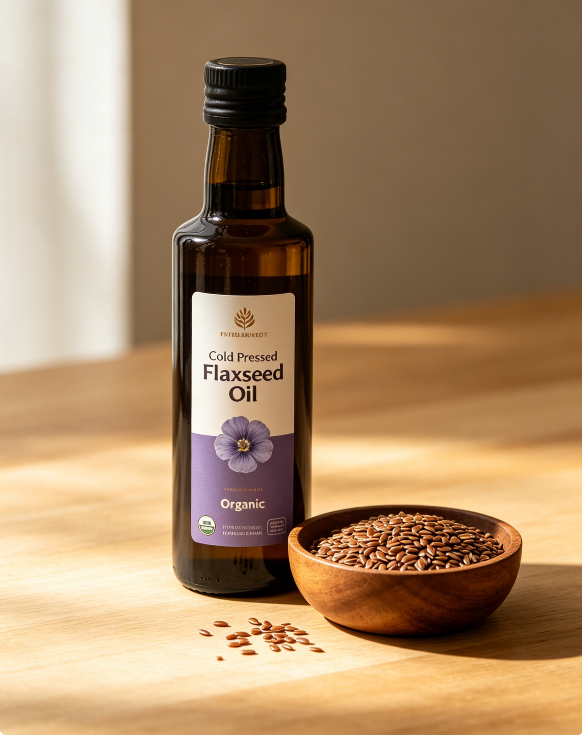
As plant-based wellness continues to grow in popularity, more consumers are adding flaxseed oil to their daily nutrition routines. Valued for its rich plant-based omega-3 content, flaxseed oil serves as a gentle, sustainable supplement to support overall dietary balance. However, not all flaxseed oil products deliver the same quality, nutrition, or freshness.
Shoppers new to this superfood oil often face confusion due to overwhelming product options, unclear labeling terms, and inconsistent manufacturing standards. Many generic oils lose key nutrients during processing or arrive oxidized before opening. This comprehensive flaxseed oil buying guide breaks down every essential factor for selecting high-quality oil, helping you confidently pick the best flaxseed oil for daily use while avoiding common low-quality products.
Whether you prioritize organic sourcing, cold-pressed processing, or long-term freshness, understanding core flaxseed oil quality standards ensures you receive maximum nutritional value from every serving.
What Is Flaxseed Oil?
Flaxseed oil, also known as oil from flax seeds, is a nutrient-dense plant oil extracted from ripened flax seeds. Unlike refined cooking oils, it is celebrated primarily for its exceptional alpha-linolenic acid (ALA) content, a vital flaxseed oil omega 3 fatty acid that the human body cannot produce independently and must obtain through daily diet.
As a foundational plant-based nutrition source, pure flaxseed oil contains balanced unsaturated fats and supportive nutrients that complement modern diets often lacking sufficient omega-3 intake. Unlike fish-based omega-3 supplements, liquid flaxseed oil offers a vegan, vegetarian-friendly alternative suitable for diverse dietary lifestyles. Its gentle nutritional profile makes it a popular daily addition for general wellness support.
Why Quality Matters When Choosing Flaxseed Oil
The wide gap between premium and low-grade flaxseed oil lies entirely in production methods, freshness maintenance, and post-processing care. Many budget-focused brands prioritize yield over nutrition, resulting in oils with diminished omega-3 value and compromised freshness.
Processing methods heavily impact nutrient retention: high-heat processing, over-refining, and chemical treatments can degrade sensitive ALA fatty acids, stripping flaxseed oil of its core nutritional advantages. Additionally, improper factory storage, long shipping times, and low-grade packaging can cause premature oxidation, even before consumers open the bottle.
Choosing high-quality flaxseed oil ensures you receive stable, nutrient-rich oil that supports consistent dietary wellness. Low-quality alternatives often function as basic cooking oil with minimal functional nutrition, offering few of the benefits consumers seek from dedicated flaxseed oil supplementation.
Cold Pressed Flaxseed Oil: Is It Better?
When researching how to choose flaxseed oil, one term appears consistently across premium product labels: cold pressed flaxseed oil. This processing method is widely recognized as the gold standard for preserving flaxseed oil’s natural nutrition.
Cold pressing refers to a low-temperature mechanical extraction process that avoids high heat, chemical solvents, and excessive refining. Typically conducted under controlled temperatures below 42°C (107°F), this method gently presses flax seeds to release pure oil without damaging delicate unsaturated fats and ALA omega-3s.
In contrast, conventional heat-processed flaxseed oil uses high-temperature pressing to maximize oil yield. While this method produces more oil per batch, research suggests high heat oxidizes fragile fatty acids, significantly reducing flaxseed oil omega 3 potency and overall nutritional value.
Cold pressed flaxseed oil maintains a natural, mild flavor, clean texture, and full nutrient spectrum, making it ideal for direct consumption, salad dressings, and daily supplementation. It is consistently regarded as superior for wellness-focused use cases.
Organic Flaxseed Oil: What Does Organic Mean?
Another key quality benchmark when shopping for premium oil is organic flaxseed oil. Organic certification verifies strict farming and production standards that distinguish organic products from conventional alternatives.
Organic flax seeds are cultivated without synthetic pesticides, chemical fertilizers, genetically modified seeds, or harmful agricultural additives. Certified organic manufacturers also follow regulated processing guidelines to prevent cross-contamination with non-organic ingredients or synthetic additives during extraction and bottling.
While conventional flaxseed oil can still offer basic nutritional value, organic options reduce exposure to residual agricultural chemicals and prioritize cleaner, more sustainable sourcing. For consumers focused on pure, minimally processed plant-based nutrition, organic certification adds an extra layer of quality assurance and trustworthiness.
Important Factors When Buying Flaxseed Oil
To reliably identify high-quality flaxseed oil, consumers should consider six core quality factors that determine overall value, freshness, and nutrition retention.
1. Check The Production Method
Always prioritize oils labeled cold-pressed and unrefined. Unrefined flaxseed oil skips excessive filtering and heat treatment, preserving natural vitamins, fatty acids, and subtle plant nutrients. Refined oils often undergo heat and chemical processing that diminishes key wellness properties, even if omega-3 content remains listed on labels.
2. Examine The Packaging Design
Flaxseed oil is highly sensitive to light, heat, and oxygen exposure, which trigger rapid oxidation and nutrient loss. Premium flaxseed oil always comes in dark-colored glass bottles, typically amber, dark green, or deep blue glass. Dark glass blocks harmful UV light and slows down the oxidation process significantly.
Avoid products packaged in clear glass or large plastic containers. These packaging types offer minimal protection, leading to fast flavor degradation and reduced shelf life. Small-batch bottled oil also tends to maintain better freshness than oversized bulk options.
3. Verify Freshness and Expiration Date
Freshness directly dictates flaxseed oil quality. Always check both the production date and expiration date before purchasing. Flaxseed oil has a relatively short shelf life compared to common cooking oils, and older products often lose nutritional potency even if unopened.
Reputable brands clearly print batch dates, expiration timelines, and freshness guarantees on every bottle. Avoid products with vague labeling or expired inventory.
4. Understand Storage Requirements
High-quality flaxseed oil requires consistent cool, dark storage to preserve nutrients long-term. Premium manufacturers will clearly label storage instructions, recommending refrigeration after opening and away placement from stovetops, direct sunlight, or warm kitchen areas.
5. Review Full Ingredient Lists
The best flaxseed oil features a single ingredient: pure flaxseed oil. Consumers should avoid products containing hidden additives, artificial flavors, preservatives, or blended vegetable oils. Pure, unadulterated flaxseed oil delivers clean, consistent nutrition without unnecessary fillers that dilute quality.
Liquid Flaxseed Oil vs Flaxseed Oil Capsules
Shoppers choosing flaxseed oil typically decide betweenliquid flaxseed oil and oral capsules, each offering unique practical advantages for different lifestyles.
Liquid Flaxseed Oil is ideal for culinary use and flexible daily dosing. It can be easily mixed into smoothies, yogurt, oatmeal, salad dressings, and cold dishes. Liquid oil allows users to adjust serving sizes freely and integrates seamlessly into everyday meals, making it perfect for home cooking and daily nutritional enhancement.
Flaxseed Oil Capsules prioritize maximum convenience and consistent portion control. Capsules eliminate strong flavors and measuring guesswork, making them excellent for travel, busy schedules, or users who dislike the natural taste of flaxseed oil. While convenient, capsules offer no culinary flexibility and often cost more per serving than liquid oil.
Neither form is universally superior; the best choice depends entirely on personal lifestyle, taste preference, and intended usage habits.
How To Identify High-Quality Flaxseed Oil
Consumers can evaluate oil quality quickly through visual, olfactory, and labeling checks after purchasing new flaxseed oil.
Color: Premium cold-pressed flaxseed oil displays a clear, golden-yellow hue with no cloudiness, sediment, or dark particles. Dull, murky, or overly pale oil often signals poor processing or oxidation.
Flavor and Aroma: High-quality flaxseed oil has a mild, subtle nutty scent and smooth, clean taste. It should not taste bitter, rancid, or overwhelmingly greasy. Harsh odors or bitter flavors typically indicate oxidized or low-grade oil.
Label Transparency: Trustworthy products list full processing details, omega-3 ALA content percentages, certification marks, production dates, and clear storage instructions. Vague labeling often indicates inconsistent quality standards.
How To Store Flaxseed Oil Properly
Understanding how to store flaxseed oil correctly is just as important as choosing quality oil, as improper storage ruins even premium products quickly.
Always store unopened flaxseed oil in a cool, dark cabinet away from heat sources and sunlight. After opening, refrigeration is strongly recommended to slow oxidation and preserve fresh flavor and nutrient potency. Keep the bottle tightly sealed after every use to limit oxygen exposure.
Most opened flaxseed oil maintains peak quality for 30 to 45 days under proper refrigeration. For best results, consume small-batch bottles quickly to avoid nutrient degradation over time.
Common Mistakes When Buying Flaxseed Oil
Many shoppers unknowingly compromise quality by making simple purchasing mistakes.
Choosing based solely on price: Budget flaxseed oil often uses heat processing, blended fillers, or old inventory, resulting in low nutritional value. Lower prices almost always reflect reduced quality standards.
Ignoring freshness dates: Shoppers often overlook batch dates, purchasing stale oil that has already lost significant omega-3 potency.
Selecting poor packaging: Clear bottles and bulk plastic containers fail to protect sensitive oil, leading to fast oxidation before full consumption.
Overlooking label details: Skipping ingredient checks and processing labels can lead to purchasing refined, blended, or chemically treated oils marketed as pure flaxseed oil.
Where To Buy Flaxseed Oil
High-quality flaxseed oil is widely available through reliable retail channels. Local health food stores typically stock curated organic, cold-pressed options with transparent sourcing standards. Major grocery stores also carry mainstream flaxseed oil brands suitable for everyday use.
Online retailers offer the widest selection, including specialty organic, small-batch, and premium cold-pressed variants. When shopping online, always verify product reviews, brand transparency, labeling details, and freshness guarantees to avoid low-quality inventory.
Frequently Asked Questions (FAQ)
1. What is the best flaxseed oil to buy?
The best flaxseed oil is cold-pressed, unrefined, pure single-ingredient oil packaged in dark glass bottles. Organic options with clear batch dating and high ALA omega-3 content typically deliver the most consistent quality and nutritional value for daily use.
2. Is cold pressed flaxseed oil better?
Yes, cold pressed flaxseed oil is widely considered superior for wellness use. Low-temperature processing preserves natural omega-3 fatty acids, fresh flavor, and active nutrients that high-heat processing often degrades or eliminates entirely.
3. Should I buy organic flaxseed oil?
Organic flaxseed oil is recommended for consumers prioritizing clean, sustainable sourcing and minimal chemical exposure. While non-organic options still offer nutritional benefits, organic certification ensures stricter farming and processing standards.
4. How long does flaxseed oil last?
Unopened flaxseed oil generally lasts 6 to 12 months with proper cool, dark storage. After opening, it remains fresh and nutrient-dense for 30 to 45 days when refrigerated and tightly sealed.
5. Does flaxseed oil need refrigeration?
Refrigeration is not required for unopened bottles but is highly recommended after opening to slow oxidation, preserve flavor, and maintain full omega-3 nutritional quality long-term.
6. What should I look for when buying flaxseed oil?
Focus on cold-pressed unrefined processing, pure single ingredients, dark glass packaging, clear freshness dates, organic certification (optional), and verified high ALA omega-3 content to ensure premium quality.
Final Thoughts
Learning how to choose flaxseed oil correctly transforms generic oil purchases into intentional, nutrient-focused dietary investments. The best flaxseed oil balances clean processing, reliable freshness, pure ingredients, and proper packaging to deliver consistent plant-based omega-3 support.
By avoiding common buying mistakes, prioritizing cold-pressed and organic standards, and following proper storage habits, consumers can maximizeflaxseed oil quality and enjoy the full nutritional benefits of pure liquid flaxseed oil for long-term daily wellness.
- Flaxseed Oil Nutrition Facts
- Can You Take Flaxseed Oil Every Day
- How Much Flaxseed Oil Per Day
- Flaxseed Oil Benefits

Alex Wang
He researches nutritional information and creates educational content to help consumers better understand healthy fats, omega-3s, and food choices.