
Maintaining a balanced diet with enough essential fatty acids can feel challenging for busy modern eaters. Many people struggle to consume adequate plant-based omega-3s through regular meals, which is why functional plant oils have grown in popularity for everyday nutrition. Flaxseed oil, extracted from cold-pressed flax seeds, is one of the most nutrient-dense plant oils available, packed with alpha-linolenic acid (ALA), a vital essential omega-3 fatty acid the human body cannot produce on its own.
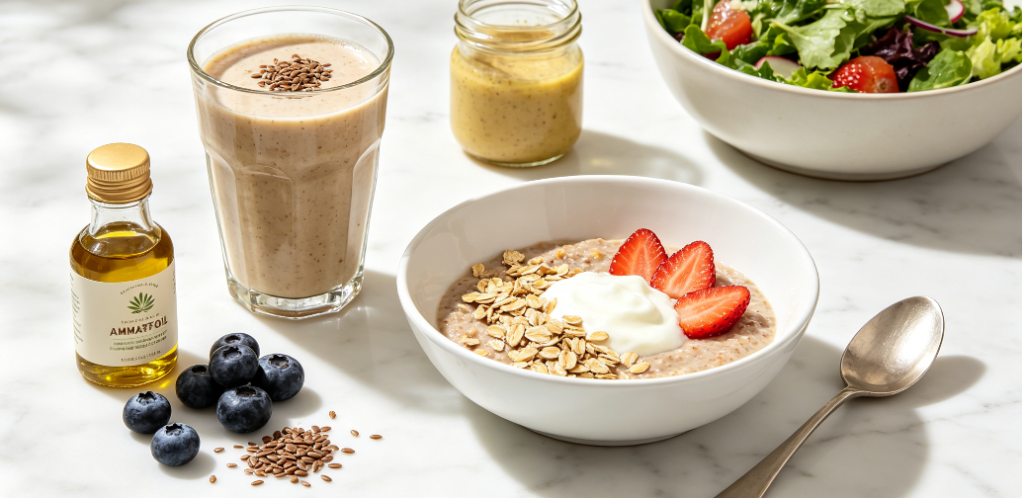
Unlike cooking oils designed for high-heat frying and sautéing, flaxseed oil is uniquely formulated for cold consumption, making it a simple add-in for smoothies, salads, breakfast bowls, and snacks. Learning practicalrecipes using flaxseed oil allows average consumers to effortlessly boost daily nutrient intake without complicated meal prep or drastic diet changes. Thesehealthy flaxseed oil recipes focus on accessibility, great flavor, and maximum nutrition retention for consistent daily wellness.
If you are new to cooking with flaxseed oil or unsure how to use flaxseed oil beyond basic supplementation, this guide shares six easy, tested recipes plus critical usage and storage tips to help you integrate this superfood oil safely and effectively into your routine.
Why Use Flaxseed Oil In Recipes?
Flaxseed oil stands out among common plant oils due to its exceptional ALA omega-3 content. According to nutritional analysis, premium cold-pressed flaxseed oil contains 50% to 60% ALA omega-3 fatty acids, far higher than olive oil, sunflower oil, or coconut oil. These flaxseed oil nutrition facts make it a convenient daily source of plant-based essential fats.
Adding flaxseed oil to regular recipes is a simple way to diversify fatty acid intake and balance modern diets that are often overloaded with omega-6 fats. Consistent ALA intake may contribute to overall dietary balance and support long-term bodily wellness as part of a healthy lifestyle. Unlike synthetic supplements, food-grade flaxseed oil blends naturally into meals with no artificial additives.
Beyond omega-3s, flaxseed oil contains natural vitamin E and antioxidant compounds that help support cellular comfort. Using ways to use flaxseed oil in everyday cooking turns ordinary meals into nutrient-enriched dishes with minimal effort.
How To Use Flaxseed Oil In Daily Cooking
Flaxseed oil’s low heat tolerance makes it unsuitable for traditional high-temperature cooking, but incredibly versatile for cold and low-temperature meal preparation. The bestways to use flaxseed oil focus on preserving its fragile omega-3 nutrients while enhancing meal flavor and texture.
The most popular and practical daily uses include custom flaxseed oil salad dressing, creamy flaxseed oil smoothie blends, enriched breakfast bowls, yogurt toppings, and finished warm dishes. It features a mild, nutty flavor that pairs well with fruits, greens, grains, and proteins without overpowering natural food tastes.
All of these casual applications require no professional cooking skills, making them perfect for beginner-friendly flaxseed oil breakfast recipes and daily family meals.
Important Tips Before Using Flaxseed Oil
To maximize nutrition and avoid common mistakes, follow these evidence-based usage tips before adding flaxseed oil to your recipes:
- Avoid high heat cooking: Flaxseed oil has a low smoke point of approximately 107°C (225°F). Temperatures above 60°C begin oxidizing sensitive ALA fatty acids, destroying key nutrients and potentially creating unwanted oxidized compounds. Never fry, sauté, or bake at high heat with flaxseed oil.
- Always store properly: Keep unopened flaxseed oil in a cool, dark cabinet away from stovetops and sunlight. Once opened, refrigerate immediately to slow oxidation and preserve freshness.
- Use within the fresh window: Opened flaxseed oil maintains peak quality for 30 to 45 days. Old or rancid oil loses nutritional value and develops unpleasant bitter or fishy flavors.
- Add after cooking: For warm meals like oatmeal or soups, let food cool slightly before drizzling oil to protect omega-3 integrity.
Recipe 1: Creamy Flaxseed Oil Smoothie (Beginner-Friendly)
This classic flaxseed oil smoothie is one of the easiest and most popularrecipes using flaxseed oil. It masks the subtle nutty taste of flaxseed oil while delivering a refreshing, nutrient-packed drink perfect for breakfast or post-workout fuel.
Ingredients
- 1 frozen banana
- ½ cup frozen blueberries or mixed berries
- 1 cup plain Greek yogurt or unsweetened plant milk
- 1 teaspoon cold-pressed flaxseed oil
- 1 tablespoon rolled oats (optional for thickness)
- Ice cubes as needed
Instructions
- Add all fruit, yogurt or plant milk, and oats to a high-speed blender.
- Blend on medium speed until smooth and creamy.
- Add flaxseed oil and blend for 5 more seconds to fully incorporate.
- Pour into a chilled glass and serve immediately.
Nutrition Notes: This smoothie delivers natural fruit fiber, protein from yogurt, and plant-based ALA omega-3s. It is a balanced meal replacement that may support steady energy levels and dietary fatty acid balance. Avoid pre-blending oil hours in advance to prevent oxidation.
Recipe 2: Homemade Flaxseed Oil Salad Dressing
Store-bought salad dressings often contain excess sugar, preservatives, and inflammatory omega-6 oils. This homemade flaxseed oil salad dressing creates a clean, nutrient-rich alternative ideal for daily greens, grain salads, and vegetable bowls.
Ingredients
- 2 tablespoons cold-pressed flaxseed oil
- 1 tablespoon fresh lemon juice
- 1 teaspoon raw honey or maple syrup (optional)
- Pinch of sea salt and black pepper
- Fresh minced parsley or basil
- Tiny pinch of garlic powder (optional)
Instructions
- Add all ingredients to a small jar with a tight lid.
- Shake vigorously for 30 seconds until fully emulsified.
- Drizzle lightly over fresh salads immediately before eating.
Nutrition Notes: This dressing replaces refined oil with nutrient-dense flaxseed oil, adding ALA omega-3s to vegetable-forward meals. It supports cleaner eating patterns and avoids processed dressing additives.
Recipe 3: Nutrient-Packed Flaxseed Oil Breakfast Bowl
This hearty flaxseed oil breakfast recipes option combines whole grains, fresh fruit, and healthy fats to create a balanced morning meal that supports sustained fullness.
Ingredients
- 1 cup cooked oatmeal or quinoa
- ½ cup plain yogurt
- Fresh mixed berries or sliced banana
- 1 teaspoon flaxseed oil
- Light sprinkle of chia seeds (optional)
Instructions
- Let warm oatmeal or quinoa cool to lukewarm to avoid oil oxidation.
- Top with yogurt and fresh fruit.
- Drizzle flaxseed oil evenly over the top.
- Stir gently and enjoy immediately.
Nutrition Notes: This breakfast combines complex carbs, protein, fiber, and plant-based omega-3s for a well-rounded morning diet. Consistent balanced breakfasts may contribute to stable daily energy and healthy eating habits.
Recipe 4: High-Protein Flaxseed Oil Smoothie
Perfect for fitness-focused users, this recipe merges clean protein and plant omega-3s for post-workout recovery or busy weekday meals.
Ingredients
- 1 scoop unflavored or vanilla plant protein powder
- 1 cup unsweetened almond milk or oat milk
- ½ frozen banana
- 1 teaspoon flaxseed oil
- Handful of spinach (tasteless addition for extra nutrients)
Instructions
- Blend milk, protein powder, banana, and spinach until smooth.
- Add flaxseed oil and pulse briefly to combine.
- Serve cold immediately after blending.
Recipe 5: Flaxseed Oil Avocado Toast
Elevate simple avocado toast with added essential fatty acids for a more nutrient-dense casual meal.
Ingredients
- 1 slice whole-grain bread
- ½ ripe mashed avocado
- ½ teaspoon flaxseed oil
- Pinch of salt, pepper, and red pepper flakes
Instructions
- Toast bread and let cool slightly.
- Mash avocado evenly on top.
- Drizzle flaxseed oil lightly and season to taste.
Recipe 6: Flaxseed Oil Energy Snack Mix
This no-bake snack adds healthy fats to on-the-go eating without processed sugar.
Ingredients
- Mixed raw nuts and pumpkin seeds
- Dried unsweetened cranberries
- ½ teaspoon flaxseed oil per single serving
Instructions
- Combine nuts, seeds, and dried fruit in a small bowl.
- Lightly toss with flaxseed oil for a subtle nutrient boost.
- Serve fresh for daily snacking.
Can You Cook With Flaxseed Oil?
A top user question is whether cooking with flaxseed oil is safe or effective. Based on food science data, flaxseed oil is not suitable for traditional high-heat cooking methods like frying, searing, or deep-frying.
Flaxseed oil has a very low smoke point of 107°C (225°F). Most standard stovetop cooking temperatures reach 160°C to 200°C, which instantly oxidizes ALA omega-3s. High heat destroys nearly all nutritional value and may generate oxidized lipid compounds that compromise food quality.
The safest usage rule is: flaxseed oil is for cold consumption or low-temperature finishing only. Always add it after cooking is complete, once food has cooled slightly. For high-heat cooking, choose high-smoke-point oils like avocado oil or refined olive oil instead.
How Much Flaxseed Oil Should You Add To Recipes?
For general adult wellness and balanced daily nutrition, moderate servings work best. Most healthy adults benefit from 1 to 2 teaspoons of flaxseed oil per day spread across meals.
When following flaxseed oil recipes, stick to single-teaspoon servings per meal to avoid excessive fat intake and potential digestive discomfort. Consistent small daily servings support steady fatty acid balance better than occasional large doses. For personalized intake guidance, you can review our detailed guide on how much flaxseed oil per day for different age and lifestyle needs.
How To Store Flaxseed Oil For Best Quality
Proper storage directly determines flavor purity and nutrient retention, which is critical for all flaxseed oil recipes.
- Dark bottle protection: Always purchase flaxseed oil in amber or dark glass bottles to block UV light oxidation.
- Refrigerate after opening: Cold temperatures slow fatty acid oxidation and prevent rancidity.
- Seal tightly: Oxygen exposure quickly degrades fresh oil; always close the cap completely after use.
- Avoid heat sources: Never store near stovetops, ovens, or direct sunlight.
FAQs About Flaxseed Oil Recipes
Can you cook with flaxseed oil? No, flaxseed oil is not suitable for high-heat cooking due to its low smoke point and heat-sensitive ALA content. It is best used cold or as a finishing oil.
What can I mix flaxseed oil with? You can safely mix flaxseed oil with smoothies, yogurt, oatmeal, salads, fresh fruit, and cold grain bowls for easy nutrient enrichment.
Can I put flaxseed oil in smoothies? Yes, smoothies are one of the best applications. Blending flaxseed oil into cold drinks preserves nutrients and masks its natural nutty taste.
How do you use flaxseed oil in food? The best uses are cold finishing, salad dressings, breakfast toppings, and cold blended drinks, avoiding all high-temperature cooking.
Does flaxseed oil need refrigeration? Unopened oil can be stored in a cool dark place, but refrigeration is required after opening to maintain freshness.
How much flaxseed oil can I add to recipes? One teaspoon per serving is ideal for daily use. Most users consume 1–2 teaspoons total daily across multiple meals for balanced nutrition.
Final Thoughts
These easy flaxseed oil recipes prove that integrating plant-based omega-3s into daily meals does not require complicated cooking skills or restrictive diets. Simple swaps like homemade dressings, nutrient-boosted smoothies, and enriched breakfast bowls help anyone consistently enjoy the dietary advantages of flaxseed oil.
By following safe usage rules, proper storage habits, and moderate serving sizes, you can make flaxseed oil a sustainable part of your everyday balanced diet. To learn more about full-spectrum supplementation, explore our content on flaxseed oil benefits, complete flaxseed oil nutrition facts, safe flaxseed oil dosage, and whether you can take flaxseed oil everyday for long-term wellness. You can also discover targeted uses like flaxseed oil for hair regrowth and professional tips from our best flaxseed oil buying guide.

Alex Wang
He researches nutritional information and creates educational content to help consumers better understand healthy fats, omega-3s, and food choices.