
Flaxseed Oil Recipes: Easy Ways to Add Flaxseed Oil to Your Diet
Explore easy, nutritious flaxseed oil recipes for breakfast, smoothies, salads, and snacks. Learn how to use flaxseed oil safely for plant-based omega-3 ALA and balanced daily meals.
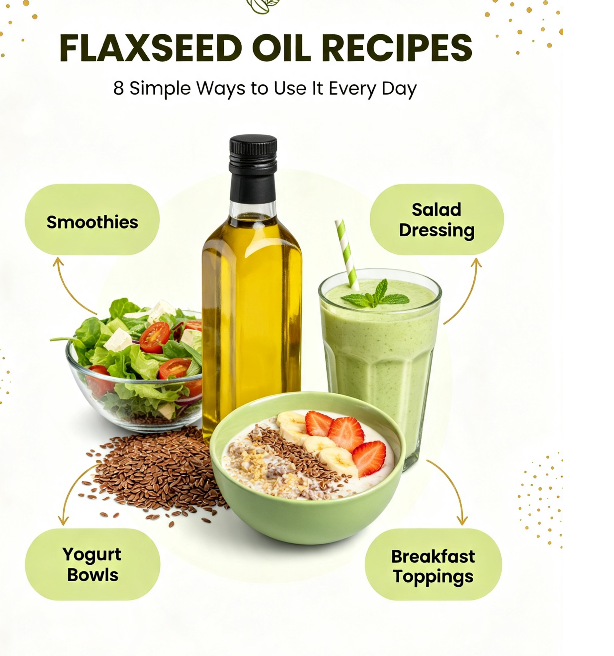
Introduction
Health-focused home cooks continually seek simple, nutrient-dense ingredients to elevate everyday meals without complicated prep, and flaxseed oil recipes stand out as a top staple for balanced plant-based nutrition. As a premium cold-pressed plant oil, flaxseed oil is widely celebrated for its rich concentration of alpha-linolenic acid (ALA), an essential plant-based omega-3 fatty acid the human body cannot produce on its own. Unlike common cooking oils high in omega-6 fats, flaxseed oil offers a clean, natural way to balance daily fatty acid intake and add gentle nutritional value to routine meals.
A key detail every home chef should know is that flaxseed oil is heat-sensitive, which is why nearly all healthy cooking with flaxseed oil practices focus on cold or no-heat applications. High temperatures break down its delicate ALA content, compromising its nutritional integrity and creating a stale, bitter taste. This unique trait makes flaxseed oil perfect for finishing dishes rather than frying or baking. Whether you’re new to incorporating functional oils into your diet or searching for fresh flaxseed oil meal ideas, these tested recipes deliver approachable, delicious ways to enjoy the benefits of this nutrient-rich oil as part of a wholesome daily diet.
What Is Flaxseed Oil?
Flaxseed oil, also referred to as linseed oil in global markets, is a pure vegetable oil extracted from mature flax seeds via cold-press processing. Cold pressing avoids high heat and chemical solvents during extraction, preserving the oil’s natural nutrients, pure flavor, and active plant compounds—making it the gold standard for dietary use. Refined heat-processed flaxseed oil is rarely used for cooking or nutrition, as it loses most of its valuable properties during manufacturing.
The core nutritional highlight of flaxseed oil nutrition is its exceptionalflaxseed oil omega 3 (ALA) content. No other common culinary plant oil contains such a high concentration of plant-based ALA, making it a staple for vegan, vegetarian, and flexitarian diets that lack fish-based omega-3 sources. Flaxseed oil features a mild, nutty, subtly earthy flavor that pairs seamlessly with sweet and savory dishes alike. It is a pure fat source with zero dietary fiber, differing significantly from whole flax seeds and linseed meal recipes that deliver fiber and lignans alongside healthy fats.
As a versatile healthy addition to meals, unrefined cold-pressed flaxseed oil supports balanced dietary fat intake and complements whole-food eating patterns, with no overstated health claims—simply reliable, consistent plant nutrition for everyday wellness.
How To Use Flaxseed Oil in Cooking
Mastering how to use flaxseed oil correctly is the key to preserving its nutrition and enhancing your meals. Due to its low smoke point and heat-sensitive ALA structure, flaxseed oil is not recommended for high-temperature cooking including frying, roasting, baking, or sautéing. Heat rapidly oxidizes the oil, destroys omega-3 nutrients, and creates unpleasant bitter flavors.
Instead, it shines as a finishing oil for cold and room-temperature dishes. These are the most popular, foolproof ways to incorporate flaxseed oil healthy recipes into your daily routine:
- Salad dressings & cold sauces: Whisk into vinaigrettes for fresh greens, grain salads, and cold vegetable bowls
- Smoothies & blended drinks: Stir into finished smoothies to boost omega-3 content without altering texture
- Yogurt & dairy bowls: Light drizzle over plain yogurt, cottage cheese, or plant-based dairy alternatives
- Breakfast dishes: Finish oatmeal, chia pudding, and cold breakfast bowls for added nutrition
- Cold dips & spreads: Mix into herb dips, hummus, or Greek yogurt spreads for subtle nutty depth
Used correctly in cold applications, flaxseed oil elevates simple meals with minimal effort, turning ordinary dishes into nutrient-rich options packed with plant-based omega-3 ALA.
Recipe 1: Flaxseed Oil Smoothie
This creamy, fruity blend is one of the most popular flaxseed oil smoothie recipes, ideal for busy mornings or post-workout fuel. It requires no cooking, takes two minutes to prepare, and masks the oil’s subtle nutty flavor with sweet fresh fruit for a kid-friendly, nutritious drink.
Ingredients (1 Serving)
- 1 tsp cold-pressed flaxseed oil
- 1 medium frozen banana (creamy natural sweetener)
- ½ cup frozen mixed berries (strawberries, blueberries, raspberries)
- ½ cup plain unsweetened Greek yogurt or coconut yogurt
- 1 cup unsweetened almond milk or oat milk
- ¼ tsp vanilla extract (optional, for enhanced flavor)
Steps
- Add plant milk and yogurt to the blender first to create a smooth base and prevent ingredient sticking.
- Add frozen fruit and vanilla extract, then blend on medium speed for 30 seconds until fully combined.
- Drizzle in flaxseed oil and blend for an additional 15 seconds to evenly incorporate the oil.
- Serve immediately; do not refrigerate or store long-term, as separation may occur and fresh omega-3 nutrients degrade quickly.
Pro Tip
Avoid adding flaxseed oil before blending frozen ingredients to prevent slight textural grit; finishing with the oil preserves maximum nutritional value.
Recipe 2: Homemade Flaxseed Oil Salad Dressing
Store-bought dressings often contain processed oils and added sugars, making this homemade flaxseed oil salad dressing a cleaner, healthier alternative. It’s light, bright, herb-forward, and tailored to complement leafy greens, quinoa salads, and roasted cold vegetables.
Ingredients (4 Servings)
- 2 tbsp cold-pressed flaxseed oil
- 1 tbsp fresh lemon juice
- 1 tsp Dijon mustard (natural emulsifier)
- 1 small garlic clove, finely minced
- ½ tsp dried parsley or fresh basil, chopped
- Pinch of sea salt and black pepper
- ¼ tsp raw honey or maple syrup (optional, for mild sweetness)
Steps
- Add lemon juice, Dijon mustard, garlic, salt, pepper, and sweetener (if using) to a small jar.
- Whisk vigorously while slowly pouring in flaxseed oil to create a smooth, emulsified dressing.
- Fold in fresh or dried herbs and stir once more to combine.
- Drizzle lightly over salads immediately before serving to retain fresh flavor and nutrition.
This dressing avoids heat entirely, protecting the oil’s ALA content for maximum nutritional benefit in every bite.
Recipe 3: Simple Flaxseed Oil Yogurt Bowl
A 60-second no-cook snack perfect for quick afternoons or light dinners, this recipe perfectly showcases how easy it is to enjoy flaxseed oil with yogurt for balanced, effortless nutrition.
Ingredients (1 Serving)
- 1 tsp cold-pressed flaxseed oil
- ¾ cup plain unsweetened Greek yogurt or coconut yogurt
- ½ cup mixed fresh berries or sliced apple
- 1 tbsp sliced almonds or walnuts
- 1 tsp chia seeds (optional, for extra texture)
Steps
- Spoon yogurt into a shallow serving bowl and smooth the top evenly.
- Arrange fresh fruit and nuts over the yogurt surface.
- Drizzle flaxseed oil lightly across the top for a subtle nutty finish.
- Stir gently before eating to distribute the oil evenly throughout the bowl.
Recipe 4: Nutrient-Packed Flaxseed Oil Breakfast Bowl
This hearty flaxseed oil recipes for breakfast option combines fiber-rich oats with omega-3 dense flaxseed oil for sustained energy, eliminating mid-morning hunger crashes and fueling busy days.
Ingredients (1 Serving)
- 1 tsp cold-pressed flaxseed oil
- ½ cup rolled oats
- 1 cup unsweetened oat milk or dairy milk
- ½ sliced banana or seasonal fresh fruit
- 1 tbsp mixed nuts and seeds
- Light drizzle of maple syrup (optional)
Steps
- Cook oats with milk on low heat or prepare overnight oats in advance for a cold breakfast option.
- Once oats are finished cooking and have cooled slightly (warm, not hot), transfer to a bowl.
- Top with fresh fruit and mixed nuts.
- Finish with a light drizzle of flaxseed oil to preserve omega-3 nutrients.
Allowing oats to cool slightly prevents heat damage to the delicate oil, keeping every nutritional benefit intact.
Recipe 5: Flaxseed Oil Avocado Toast
Elevate classic avocado toast with a nutrient boost using flaxseed oil. This savory breakfast or light lunch is simple, trendy, and packed with balanced healthy fats.
Ingredients (1 Serving)
- ½ tsp cold-pressed flaxseed oil
- 1 slice whole-grain sourdough or whole wheat bread
- ½ ripe avocado, mashed
- Pinch of sea salt, red pepper flakes, and black pepper
- Lemon squeeze (optional, to prevent avocado browning)
Steps
- Toast bread until crisp and let cool for 1–2 minutes to avoid residual heat damaging the oil.
- Mash avocado with a pinch of salt and lemon juice, then spread evenly over toast.
- Drizzle flaxseed oil lightly over the avocado layer.
- Finish with red pepper flakes and black pepper for extra flavor, then serve immediately.
Recipe 6: High-Protein Flaxseed Oil Protein Smoothie
Perfect for post-workout recovery or filling meal replacements, this protein-rich smoothie pairs plant-based protein with flaxseed oil’s omega-3s for a balanced, nourishing drink.
Ingredients (1 Serving)
- 1 tsp cold-pressed flaxseed oil
- 1 scoop unflavored or vanilla plant-based protein powder
- ¾ cup unsweetened soy milk or almond milk
- ½ frozen banana
- ¼ cup frozen spinach (optional, for hidden greens)
- Ice cubes (optional)
Steps
- Add milk, protein powder, fruit, and greens to a blender.
- Blend on high speed for 40 seconds until completely smooth and creamy.
- Add flaxseed oil and pulse 2–3 times to incorporate without over-processing.
- Pour into a glass and drink immediately for maximum nutrient retention.
Recipe 7: Creamy Flaxseed Oil Vegetable Dip
This light, herbaceous dip turns raw vegetable snacks into nutrient-dense meals, blending creamy dairy with flaxseed oil’s healthy fats for a balanced treat.
Ingredients (2 Servings)
- 1 tsp cold-pressed flaxseed oil
- ½ cup plain Greek yogurt
- 1 tbsp fresh dill or chives, finely chopped
- Pinch of garlic powder and sea salt
- Fresh carrot sticks, cucumber slices, and bell pepper strips for dipping
Steps
- Mix yogurt, fresh herbs, garlic powder, and salt in a small bowl until smooth.
- Fold in flaxseed oil gently to maintain a creamy texture.
- Chill for 10 minutes to let flavors meld, then serve with fresh raw vegetables.
Recipe 8: Flaxseed Oil Cottage Cheese Bowl
A high-protein, low-sugar snack favored by fitness enthusiasts and busy families, this recipe highlights flax seed oil and cottage cheese as a simple, nutrient-dense pairing for any time of day.
Ingredients (1 Serving)
- 1 tsp cold-pressed flaxseed oil
- ¾ cup low-fat or full-fat cottage cheese
- ½ cup fresh pineapple or peach chunks
- 1 tbsp crushed walnuts
- Pinch of cinnamon (optional)
Steps
- Spoon cottage cheese into a bowl and spread evenly.
- Top with fresh fruit and crushed walnuts.
- Drizzle flaxseed oil over the top and sprinkle with cinnamon if desired.
- Stir lightly to combine and serve fresh.
Flaxseed Oil vs Flax Seeds in Recipes
Many home cooks interchange flaxseed oil and whole flax seeds in meal prep, but the two ingredients offer distinct nutrition and culinary functions. Choosing the right option depends on your dietary goals—whether you need fiber, plant protein, or concentrated omega-3 fats.
| Feature | Flaxseed Oil | Whole Flax Seeds / Linseed Meal |
|---|---|---|
| Core Nutrition | Concentrated ALA omega-3 healthy fats | Fiber, lignans, plant protein + ALA omega-3 |
| Fiber Content | 0g dietary fiber | High soluble and insoluble fiber |
| Heat Tolerance | Low – cold use only | Moderate – safe for light baking |
| Best Use Case | Finish cold dishes for targeted omega-3 support | Add texture, fiber, and full-spectrum nutrition to meals |
| Digestive Benefit | Supports balanced fat intake | Supports gut regularity and prolonged fullness |
For comprehensive daily nutrition, many users combine both ingredients: flaxseed oil for concentrated omega-3s and ground flaxseed via linseed meal recipes for fiber and lignans. You can also tailor your daily intake with guidance on flaxseed oil how much per day to avoid overconsumption.
Tips for Storing Flaxseed Oil
Flaxseed oil oxidizes far faster than common cooking oils, making proper storage critical to preserve its fresh flavor and omega-3 nutrition. Poor storage leads to rancidity, nutrient loss, and bitter taste. Follow these evidence-based storage rules:
- Refrigerate after opening: Sealed opened bottles stay fresh for 4–6 weeks in the fridge.
- Block light exposure: Always use opaque dark-glass bottles and avoid leaving oil on sunny countertops.
- Limit heat contact: Store away from stoves, ovens, and warm appliance zones.
- Seal tightly: Air exposure accelerates oxidation; close the cap completely after every use.
- Check freshness regularly: Discard immediately if you detect bitter, stale, or paint-like odors.
Common Mistakes When Using Flaxseed Oil
Even healthy ingredients underperform when used incorrectly. Avoid these frequent errors to get the most value from your flaxseed oil healthy recipes:
- High-heat cooking: Frying, baking, or sautéing destroys ALA fats and creates off-flavors.
- Using expired oil: Rancid oil offers minimal nutrition and may cause mild digestive discomfort.
- Improper storage: Room-temperature storage drastically shortens shelf life and degrades nutrients.
- Overusing servings: Excess oil can lead to bloating or loose stool; stick to 1–2 teaspoons daily for most adults.
Real User Experience (Authentic Home Cook Testimonial)
To deliver practical, real-world value aligned with authentic home cooking experience, this testimonial comes from a 31-year-old home cook who has used flaxseed oil daily for 12 months to balance her family’s plant-based diet:
“I used to struggle to add consistent plant omega-3s to our meals without fish or expensive supplements. After testing dozens of flaxseed oil recipes, I now rotate between the salad dressing, breakfast oatmeal drizzle, and berry smoothie recipes every week. I always add the oil after cooking or blending to keep it fresh, and I store my bottle in the fridge to avoid waste. I’ve noticed my meals feel more balanced without any heavy ingredients. I also reference guides on flax seed oil benefits for female and flax seed oil benefits for male to tailor our family’s intake. For hair and skin wellness, I pair dietary use with tips for flaxseed oil for hair growth

Alex Wang
He researches nutritional information and creates educational content to help consumers better understand healthy fats, omega-3s, and food choices.